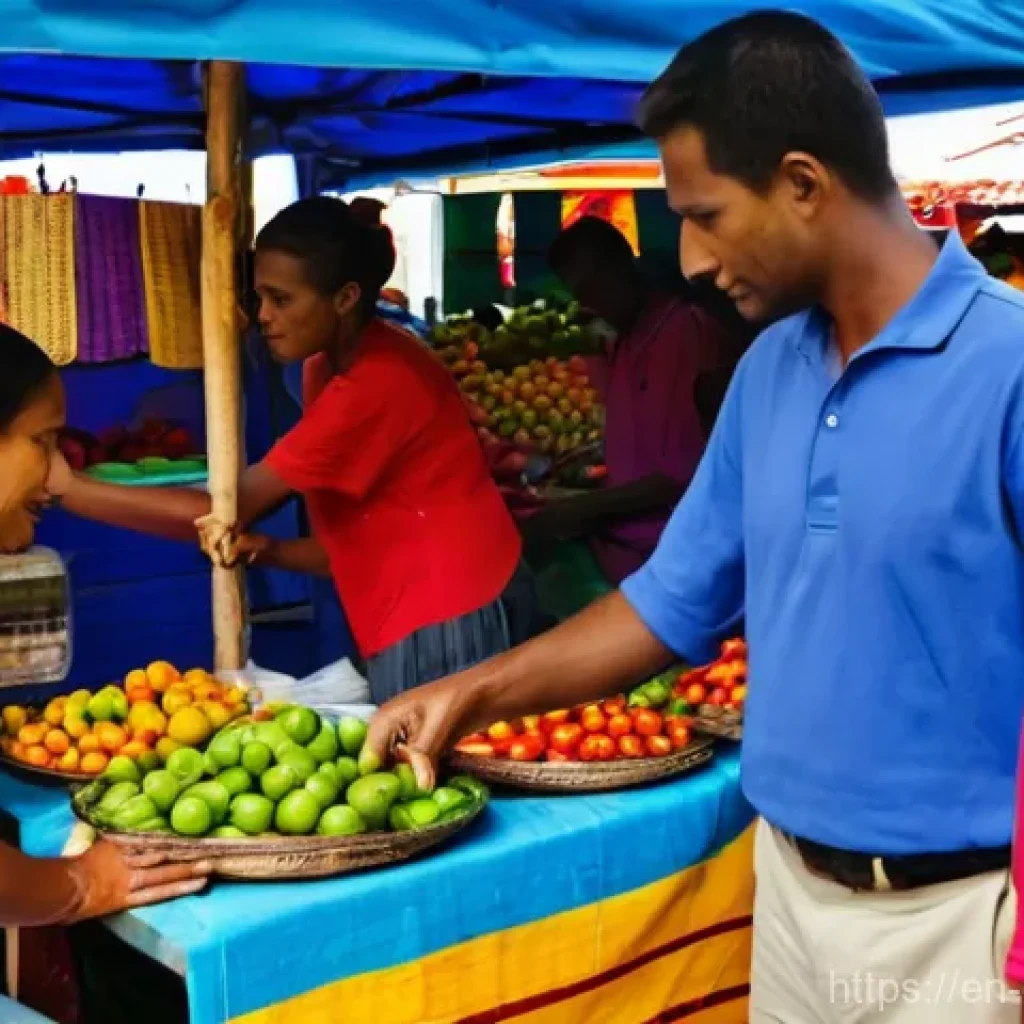
Hey there, fellow adventurers! Ever dreamt of stepping off the beaten path and immersing yourself in a world where nature truly reigns supreme? I’ve recently been captivated by the sheer wild beauty of Guyana, a place that feels like one of the last true frontiers for explorers and nature lovers alike.
From bustling Georgetown markets overflowing with vibrant life and incredible flavors to the deep, emerald embrace of the Amazonian rainforest, this South American gem offers an unparalleled journey for those ready to lace up their boots.
I’ve personally found that walking tours here aren’t just about seeing sights; they’re about connecting deeply with indigenous cultures, spotting incredibly rare wildlife, and witnessing breathtaking landscapes that photos barely do justice.
If you’re yearning for an authentic, off-grid experience that will refresh your spirit and ignite your wanderlust, trust me, Guyana’s walking trails are calling your name louder than ever.
In fact, with ecotourism gaining so much traction globally, Guyana is quickly emerging as a must-visit destination for sustainable travel. So, are you ready to uncover the magic?
Let’s delve into the fascinating details of crafting your perfect Guyanese walking adventure right below!
Unearthing the Emerald Heart: My First Steps into Guyana’s Wilds
Stepping off that plane and feeling the humid embrace of Georgetown, I knew instantly this wasn’t just another trip; it was an invitation to a genuinely untamed corner of the world. There’s something undeniably exhilarating about arriving in a place that still feels largely untouched, where the promise of adventure isn isn’t just a marketing slogan but a palpable presence in the air. My initial explorations in the capital, with its vibrant markets bustling with calls of vendors and the tantalizing scent of local spices, felt like a vibrant overture to the grand symphony of nature awaiting me deeper inland. I remember feeling a thrilling sense of anticipation, almost a nervous excitement, knowing I was about to dive headfirst into landscapes that few have the privilege to witness. This country whispers tales of ancient forests and forgotten rivers, and it was that very whisper that drew me in, compelling me to trade my city comforts for the raw, refreshing embrace of the wild. It’s a feeling of stepping back in time, of connecting with the earth on a primordial level that is increasingly rare in our modern world, and honestly, it’s addicting.
The Allure of the Untamed: Why Guyana Calls So Loudly
For years, I’d heard whispers about Guyana, usually from seasoned travelers with a glint in their eyes, describing it as “the last frontier.” And truly, it lives up to that reputation. Unlike some other well-trodden ecotourism spots, Guyana offers an experience that feels deeply authentic, unvarnished, and incredibly personal. There are no massive resorts, no overly commercialized attractions; just raw, breathtaking nature and genuine human connection. I found myself drawn to the promise of pristine rainforests, powerful waterfalls that thunder with primeval force, and a biodiversity that’s simply mind-boggling. It’s a place where you genuinely feel like an explorer, not just a tourist. That sense of discovery, of encountering something truly wild and magnificent, is what makes Guyana utterly unforgettable and keeps calling me back.
Kicking Off in Georgetown: A Sensory Overload and Cultural Canvas
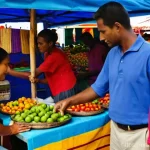
Before truly venturing into the wild, Georgetown served as an incredibly lively and necessary transition. My first few days were a blur of vibrant colors, the cacophony of street life, and the intoxicating aromas of Guyanese street food – trust me, you *have* to try the pepperpot and bake and saltfish! Walking through its historic streets, admiring the colonial architecture and the diverse mix of cultures, was an adventure in itself. I loved wandering through Stabroek Market, a sensory explosion where you can find anything from fresh produce to handcrafted jewelry. It’s a bustling, energetic city that tells a story of its unique heritage, a fascinating blend of Caribbean, South American, and even hints of British influence. It was the perfect warm-up, allowing me to acclimatize to the pace and rhythm of Guyanese life before embarking on the more remote parts of my journey.
Navigating the Labyrinth: Essential Gear for Your Guyanese Trek
Oh, the gear! I’ve learned the hard way that packing right for a Guyanese adventure isn’t just about comfort; it’s about making or breaking your experience. I still vividly recall one trip where I underestimated the humidity and packed too many heavy cotton shirts – a mistake I quickly rectified after two days of feeling perpetually damp and sticky! You need to be smart, strategic, and think about functionality above all else. This isn’t a fashion show; it’s an expedition. My personal philosophy now revolves around lightweight, quick-drying fabrics, and a sturdy backpack that feels like an extension of my body. It’s amazing how much difference a good pair of worn-in hiking boots can make, protecting your feet through mud and uneven terrain, and giving you the confidence to tackle any path. Trust me, investing in quality gear upfront saves a lot of discomfort and potential heartache down the line. It’s all about being prepared to fully immerse yourself without unnecessary distractions.
Boots, Bags, and Beyond: What Absolutely Needs to Be in Your Pack
When I say “essential,” I mean *essential*. First up, waterproof hiking boots with good ankle support are non-negotiable. Seriously, your feet will thank you. Pair those with moisture-wicking socks to prevent blisters. For clothing, think quick-dry everything: convertible pants, long-sleeved shirts (for sun and insect protection), and a lightweight rain jacket. A wide-brimmed hat, sunglasses, and strong insect repellent with DEET are also must-haves. A good quality, waterproof daypack is crucial for daily excursions, and if you’re doing multi-day treks, a larger, comfortable backpack is key. Don’t forget a reusable water bottle (many lodges have filtered water), a headlamp, and a basic first-aid kit with any personal medications. Oh, and a high-quality camera with extra batteries is a given – you won’t want to miss these sights!
Tech vs. Trek: Balancing Connectivity and Disconnection in the Bush
This is where it gets tricky, right? In our hyper-connected world, the thought of being off-grid can be daunting, but in Guyana, it’s part of the magic. While you’ll likely have Wi-Fi in Georgetown and some larger towns, once you venture into the rainforest or savannas, forget about it. Embrace it! I bring my smartphone for photos, but I mostly keep it in airplane mode to conserve battery. A portable power bank is a lifesaver for charging smaller devices. I’ve personally found that the less time I spend scrolling and the more time I spend observing, the richer my experience becomes. It’s a rare opportunity to truly disconnect from the digital noise and reconnect with yourself and the natural world around you. Let your internal compass guide you, not your GPS for once.
Whispers of the Forest: Encounters with Guyana’s Incredible Wildlife
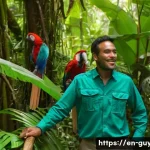
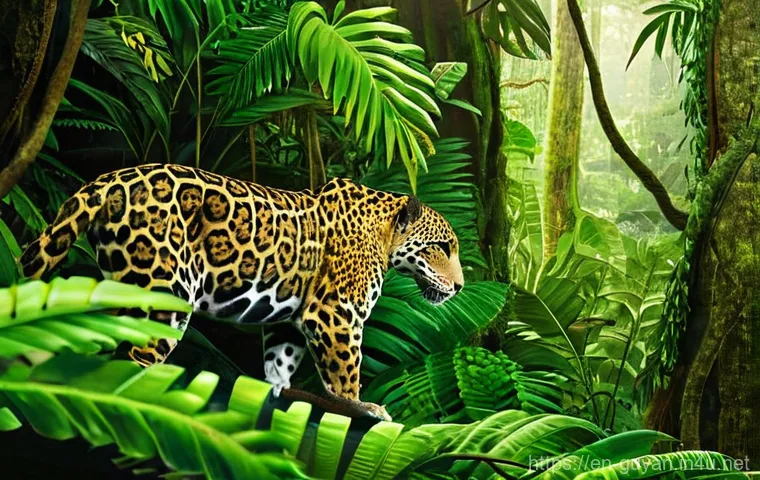
Honestly, the wildlife encounters in Guyana are what etched this country so deeply into my soul. I’ve been to many biodiverse places, but the sheer abundance and the feeling of witnessing these creatures in their untouched natural habitat here is unparalleled. There’s a particular hush that falls over the rainforest when you’re tracking an elusive animal, a shared breath held amongst your small group as a guide points out a movement in the canopy. I remember one morning, just after dawn, sitting silently by a riverbank in the Iwokrama Forest, when a jaguar, majestic and utterly unconcerned by our presence, sauntered across the clearing. My heart literally pounded in my chest; it was an awe-inspiring moment that truly made me feel tiny and profoundly connected to the wild. This isn’t a zoo; these are truly wild animals, and every sighting feels like a gift. The vibrant calls of macaws, the playful antics of giant otters, and the fleeting glimpse of a capybara – each moment is a reminder of the incredible life pulsating through these ancient forests.
Spotting the Elusive: From Jaguars to Harpy Eagles
Guyana is a true haven for wildlife enthusiasts. The chances of spotting some of the Amazon’s most iconic and elusive creatures are surprisingly high, especially with experienced local guides. Imagine seeing giant river otters playfully fishing, or a massive anaconda sunning itself on a log! Beyond the big cats like jaguars and pumas, the birdlife is absolutely spectacular. The Harpy Eagle, one of the world’s largest and most powerful raptors, calls these forests home, and seeing one soar overhead is a truly unforgettable experience. Then there are the incredible array of monkeys, sloths, tapirs, and hundreds of species of vibrant birds that fill the air with their songs. Every trek feels like a treasure hunt, and the reward is always worth the patient waiting.
Patience is a Virtue: My Most Memorable Sightings
I’ve learned that the key to incredible wildlife viewing in Guyana is patience. It’s not about rushing; it’s about listening, observing, and letting nature unfold around you. One morning, I spent nearly an hour just watching a group of howler monkeys navigate the canopy, their booming calls echoing through the trees. Another time, my guide spotted a tiny golden frog, perfectly camouflaged, that I would have walked right past. But my absolute favorite memory has to be the time we encountered a giant anteater. It was so focused on digging for ants that we were able to observe it for a good twenty minutes, keeping a respectful distance, of course. Its sheer size and unique movements were mesmerizing. These are the moments that truly stick with you, long after you’ve returned home.
Connecting with Custodians: Immersive Indigenous Village Experiences
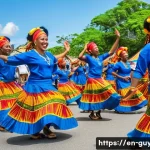
This is perhaps the most enriching aspect of a Guyanese walking tour for me – the profound connection you forge with the indigenous communities. It’s not just about seeing nature; it’s about understanding how people have lived in harmony with it for generations. Staying in community-run lodges, like those in Surama or Rewa, was a game-changer. I remember waking up to the sounds of the rainforest, then sharing a simple, delicious breakfast prepared with local ingredients, and hearing stories from my Makushi hosts. Their knowledge of the forest, passed down through oral traditions, is simply astounding. They taught me about medicinal plants, tracked animals with an almost supernatural intuition, and shared their perspectives on conservation that made me rethink my own relationship with the environment. It feels less like a tourist experience and more like being welcomed into someone’s home, a privilege that I don’t take lightly. These interactions make the landscape come alive with history, culture, and a deep sense of belonging.
Living Local: The Warmth of Makushi Hospitality
The warmth and genuine hospitality of the Makushi people in the Rupununi region are truly remarkable. From the moment you arrive, you’re treated not just as a visitor, but as a temporary member of their community. I loved participating in their daily life, even simple things like helping to paddle a dugout canoe or trying my hand at making cassava bread. The guides, often young men from the village, share their ancestral lands with such pride and enthusiasm, pointing out everything from elusive birds to the tracks of a jaguar. Their passion is infectious, and it transforms a simple walk into a profound lesson in ecology and traditional knowledge. The sense of peace and community I felt there was truly soul-soothing, a stark contrast to the hustle and bustle of city life.
Learning Ancient Ways: Craft, Culture, and Conservation Efforts
Beyond the amazing wildlife, a huge part of the allure is delving into the rich cultural heritage. I found myself absolutely fascinated by the traditional crafts – the intricate basketry, the carving, and the vibrant beadwork. It’s not just beautiful; each piece tells a story. More importantly, these communities are at the forefront of conservation efforts, actively protecting their ancestral lands and the incredible biodiversity within them. They understand, perhaps more deeply than anyone, the delicate balance of the ecosystem. Learning about their sustainable practices, their community-based tourism models, and their dedication to preserving both their culture and their environment was incredibly inspiring. It made me realize that responsible tourism isn’t just a buzzword; it’s a vital tool for empowering these communities and safeguarding our planet’s precious resources.
From Kaieteur’s Roar to Rupununi’s Silence: Diverse Landscapes on Foot
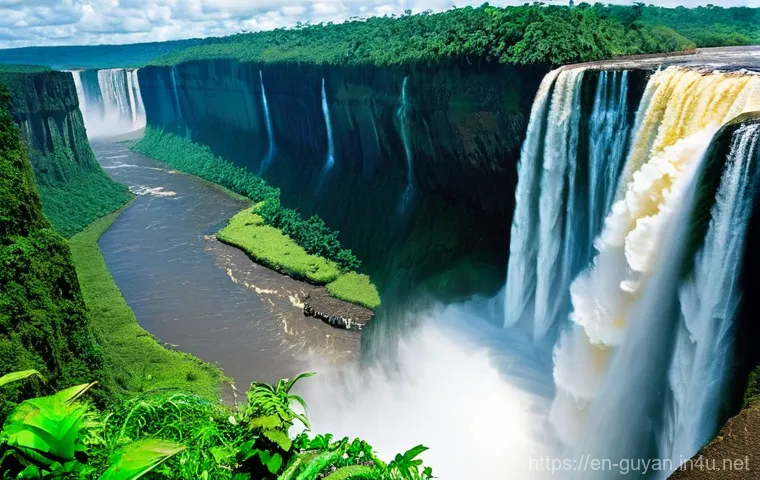
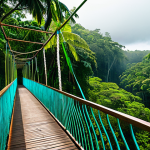
If there’s one thing Guyana truly excels at, it’s offering an incredible spectrum of natural landscapes, each more breathtaking than the last. My journey felt like moving through a living, breathing tapestry of ecosystems. You might start your day enveloped by the dense, emerald canopy of the Amazonian rainforest, the air thick with the scent of damp earth and unseen blossoms. Then, a short flight might transport you to the vast, golden expanse of the Rupununi savannas, where the sky seems to stretch on forever and the silence is so profound it’s almost deafening. And of course, there’s Kaieteur Falls, a place that defies description. Standing at its edge, feeling the mist on your face, and hearing the colossal roar of millions of gallons of water plummeting over a sheer cliff is an experience that humbles and exhilarates simultaneously. It’s a vivid reminder of the sheer power and artistry of nature, leaving an indelible mark on your memory. Each step through these varied terrains felt like discovering a new world, a new facet of Guyana’s raw, untamed beauty.
The Majesty of Kaieteur: A Natural Wonder Unveiled
I still get goosebumps thinking about Kaieteur Falls. It’s not just a waterfall; it’s an entire ecosystem, a monumental force of nature tucked deep within the Potaro River basin. The sheer volume of water, the height, the fact that you can often stand incredibly close to the edge with minimal barriers – it all contributes to an overwhelming sense of awe. There’s a tangible energy there, a primal roar that resonates through your very core. My walking tour to the various viewpoints around the falls allowed me to appreciate its grandeur from multiple angles, each more stunning than the last. It felt like stepping into a documentary, but experiencing it live. And keep an eye out for the unique Kaieteur Swifts that nest behind the falls – a truly special sight!
Rupununi Savannahs: Endless Horizons and Hidden Gems
After the dense forest, the Rupununi savannas offer a completely different, yet equally captivating, walking experience. This vast expanse of grasslands, dotted with termite mounds and framed by distant mountains, feels limitless. Here, walks are often focused on spotting different wildlife, like giant anteaters, pumas, and a huge variety of birds, including the unique jabiru stork. The air is drier, the light different, and the sense of space immense. I loved the feeling of walking through these open plains, with nothing but the sky above and the subtle rustle of grass around me. It’s a place for quiet contemplation, for absorbing the vastness of nature, and for truly appreciating the intricate web of life that thrives even in seemingly barren landscapes.
Prepping for the Plunge: Practical Tips for a Seamless Adventure
Alright, let’s get down to the nitty-gritty of making your Guyanese adventure as smooth and enjoyable as possible. I’ve learned a few things over the years that can genuinely make a huge difference in your overall experience. First off, thinking about your health and safety isn’t being overly cautious; it’s being smart. This is a tropical environment, and understanding what to expect and how to mitigate potential risks will allow you to relax and truly immerse yourself. Then there’s the money aspect – Guyana isn’t always the cheapest destination, especially when venturing into remote areas with specialized guides, but with a bit of planning, you can budget effectively. It’s about investing in an experience, not just a vacation. Trust me, a little foresight goes a long way in ensuring your focus remains on the incredible sights and sounds around you, rather than on unexpected logistical hiccups. I’ve found that being prepared allows for a much deeper and more joyful connection with the journey itself, freeing you up to truly embrace the unexpected wonders that Guyana constantly offers.
Health and Safety First: Staying Well in the Wild
Before you even pack your bags, consult your doctor about necessary vaccinations (Yellow Fever is typically required) and discuss malaria prevention, as it’s endemic in some areas. Pack a robust personal first-aid kit with essentials like pain relievers, anti-diarrhea medication, antiseptic wipes, blister treatment, and any personal prescriptions. Hydration is key in the tropical climate, so drink plenty of filtered water. Also, be mindful of sun protection, and always follow your guide’s instructions, especially concerning wildlife. Local guides are incredibly knowledgeable about potential hazards and how to safely navigate the environment. Being prepared ensures you can fully enjoy your adventure without unnecessary worries.
Budgeting for Paradise: Understanding the Costs
Guyana isn’t a budget backpacker destination, particularly if you want to experience the truly remote and pristine areas with responsible tour operators. Most trips to the interior involve flights on small planes, experienced guides, and community-run lodge stays, which all add up. Expect to pay anywhere from $200-$500+ USD per person per day for well-organized, all-inclusive tours, depending on the itinerary and duration. This usually covers transportation, accommodation, meals, activities, and expert guiding. Flights to Guyana from North America or Europe can also be a significant cost. While it’s an investment, the value lies in the unparalleled, authentic, and often exclusive experiences you get. It’s about quality over quantity, and supporting sustainable tourism initiatives.
Here’s a quick guide to some practical aspects for your Guyanese adventure:
| Aspect | Key Information |
|---|---|
| Currency | Guyanese Dollar (GYD). USD is widely accepted in Georgetown for larger purchases, but it’s always good to have local currency for smaller vendors. Credit cards are accepted in major hotels/restaurants but cash is king in rural areas. |
| Best Time to Visit | Generally, the dry seasons (August-November and February-April) are ideal for walking tours, offering better trail conditions and clearer skies. However, the wet season (May-July and December-January) brings lush greenery and full waterfalls, though trails can be muddier. |
| Language | English is the official language, making it incredibly easy for English speakers to communicate. Indigenous languages are also spoken in many communities. |
| Visa Requirements | Many nationalities, including US, Canadian, and UK citizens, do not require a visa for stays up to 90 days. Always check the latest requirements for your specific nationality before travel. |
| Getting Around | Domestic flights via small planes are common for reaching remote interior destinations. Within towns, taxis are readily available. For walking tours, your operator will arrange all necessary ground and river transport. |
Sustaining the Splendor: How to Walk Responsibly in Guyana
As much as I adore exploring the untouched beauty of Guyana, I feel a deep personal responsibility to ensure my adventures don’t inadvertently harm the very things I’ve come to appreciate. This isn’t just about being a good tourist; it’s about being a conscious global citizen. When you visit a place as pristine and ecologically significant as Guyana, every action, no matter how small, has an impact. I’ve personally witnessed the fragile beauty of these ecosystems, from the smallest dart frog to the grandest Harpy Eagle, and it truly makes you realize the importance of protecting them. Choosing operators committed to sustainable practices, supporting local communities directly, and adhering to the ‘Leave No Trace’ principles isn’t just a suggestion; it’s a moral imperative. It ensures that the magic of Guyana remains intact for future generations of adventurers and, more importantly, for the incredible biodiversity and indigenous cultures that call it home. It’s about leaving a positive footprint, not just a physical one.
Leave No Trace: Protecting Guyana’s Pristine Ecosystems
The “Leave No Trace” principles are paramount here. This means packing out everything you pack in, including all trash and food scraps. Stick to marked trails to avoid disturbing delicate flora and fauna. Do not take souvenirs from nature – leaves, rocks, or flowers should be left where they are. Respect wildlife by observing from a distance and never feeding animals. Use designated restrooms or dispose of human waste properly. These simple guidelines ensure that the pristine environment you came to enjoy remains just that for everyone who follows. It’s about minimizing our impact so that these incredible places can thrive naturally, long after we’ve gone home.
Supporting Local: Making Your Impact Count Positively
One of the most powerful ways to be a responsible traveler in Guyana is to actively support local communities and businesses. This means choosing tour operators that are owned or predominantly employ Guyanese people, especially those from indigenous communities. Stay in community-run lodges, purchase local handicrafts directly from the artisans, and enjoy meals prepared with locally sourced ingredients. This ensures that your tourism dollars directly benefit the people who are the true custodians of these lands. I’ve found that these direct interactions not only provide invaluable cultural insights but also foster a sense of mutual respect and ensure that your visit contributes positively to their livelihoods and conservation efforts. It feels good knowing your adventure is having a meaningful impact.
Wrapping Up My Guyanese Odyssey
Honestly, my journey through Guyana’s wilds has been nothing short of transformative. From the bustling energy of Georgetown to the profound silence of the Rupununi savannas and the thunderous power of Kaieteur Falls, every moment has been a vivid lesson in raw, untamed beauty.
I’ve walked paths less traveled, connected with incredible indigenous communities, and witnessed wildlife in a way that truly reshaped my perspective.
If you’re yearning for an authentic, off-the-beaten-path adventure that challenges and delights in equal measure, then Guyana, with its emerald heart, is absolutely calling your name.
Useful Information to Know
1.
While English is the official language, and widely spoken, learning a few basic phrases in local indigenous languages like Makushi or Wapishana can go a long way in showing respect and connecting deeper with the communities you visit. It’s a small gesture that truly makes a difference in those heartfelt interactions.
2.
Guyanese Dollars (GYD) are the local currency, but you’ll find that US Dollars are commonly accepted in Georgetown for larger purchases. However, for smaller vendors, local markets, and especially in rural areas, having GYD in smaller denominations is absolutely essential. Don’t rely solely on cards; cash is king once you leave the capital!
3.
Embrace the “disconnect” once you venture into the interior. Mobile service and Wi-Fi are incredibly limited, and frankly, that’s part of the magic! Use this rare opportunity to truly switch off, be present, and soak in the natural world around you. A portable power bank for your camera or essential devices is a smart move, but don’t expect constant connectivity.
4.
Packing smart is crucial. Think lightweight, quick-drying fabrics, and prioritize comfort and utility over fashion. Sturdy, waterproof hiking boots are non-negotiable. I’ve found that layering is your best friend, allowing you to adapt to the varying microclimates of the rainforest and savanna throughout the day.
5.
Always invest in comprehensive travel insurance that covers emergency medical treatment and evacuation. Given the remote nature of many destinations in Guyana, having that peace of mind is invaluable. Better safe than sorry when you’re deep in the rainforest!
Key Takeaways
Guyana offers an unparalleled blend of pristine wilderness, vibrant culture, and authentic adventure. To make the most of your journey, prioritize responsible tourism by supporting local communities and adhering to Leave No Trace principles.
Be prepared for a genuinely immersive experience where patience and an open mind will lead to unforgettable wildlife encounters and profound cultural connections.
This isn’t just a trip; it’s an exploration into one of the planet’s last true wild frontiers.
Frequently Asked Questions (FAQ) 📖
Q: I’m captivated by the idea of an “off-grid” experience. What truly sets a walking tour in Guyana apart from more common trekking destinations, and what unique encounters can I expect?
A: Oh, my friend, that’s exactly the spirit! What makes Guyana’s walking tours stand head and shoulders above other destinations is its raw, untamed authenticity.
Forget the well-trodden paths and souvenir shops; here, you’re diving into a world that feels genuinely undiscovered. I remember feeling like a true explorer, not just a tourist.
Unlike places where you’re just observing, in Guyana, you’re truly immersed. We’re talking about deep, meaningful connections with indigenous communities like the Makushi or Wapishana.
You’re not just seeing their villages; you’re often welcomed into their daily lives, learning about their traditions, their knowledge of the forest, and even sharing a meal.
My personal highlight was learning how to identify medicinal plants from an elder – a humbling experience you just don’t get anywhere else. Then there’s the wildlife!
It’s not a zoo; it’s the real deal. Picture yourself quietly trekking through the rainforest and suddenly, there’s a giant anteater foraging, or a vibrant macaw flashing its colors above.
I’ve spotted elusive jaguars, countless species of monkeys, and birdlife that will make any twitcher’s heart sing. These aren’t just “sights” you tick off a list; they’re genuine, often surprising, moments of connection with nature and culture that fundamentally shift your perspective.
It’s challenging, yes, but incredibly rewarding and utterly unforgettable.
Q: The mention of the
A: mazonian rainforest has me buzzing! What kind of physical preparation and essential gear should I consider for these Guyanese walking adventures to truly enjoy the experience?
A2: That’s fantastic! Getting ready for a Guyanese walking adventure is part of the fun, and trust me, a little preparation goes a long way. While you don’t need to be an Olympic athlete, a moderate level of fitness is definitely a plus.
You’ll be navigating uneven terrain, potentially some muddy patches, and sometimes for several hours. I’d recommend starting with regular walks or hikes a few months before your trip.
As for gear, this is where my personal experience really kicks in! First, waterproof hiking boots are an absolute non-negotiable – not just water-resistant, but truly waterproof.
My feet thanked me endlessly after an unexpected downpour! Next, lightweight, quick-drying clothing is your best friend. Think long-sleeved shirts and trousers to protect against sun, scratches, and, of course, the ever-present mosquitos.
And speaking of those little guys, bring a heavy-duty insect repellent with high DEET content; you’ll be glad you did. A wide-brimmed hat, good quality sunglasses, and a sturdy daypack with a rain cover are also essential.
Don’t forget a reusable water bottle (or two!) and a water purification system or tablets – staying hydrated is crucial. I also found a headlamp to be incredibly useful for those early morning starts or late evening walks.
Pack light but smart, focusing on durability and practicality. You want to be comfortable and prepared so you can fully immerse yourself in the magic around you.
Q: You touched on ecotourism and sustainable travel, which is really important to me. How can I ensure that my walking tour in Guyana truly contributes positively to local communities and conservation efforts?
A: I absolutely love that you’re asking this, because it’s at the heart of what makes Guyanese travel so special! My journey through Guyana truly opened my eyes to how powerful responsible tourism can be.
To make sure your adventure leaves a positive footprint, the most impactful thing you can do is choose reputable, locally-owned and operated tour companies.
These are the outfits that directly employ local guides, cooks, and porters from the indigenous communities you visit, ensuring your tourism dollars stay right where they’re needed most.
For example, staying at community-owned eco-lodges, like those run by the Makushi people in the Rupununi region, means your accommodation fees directly fund schools, healthcare, and conservation projects.
I personally found that interacting with these communities, learning about their projects, and even purchasing their beautiful handmade crafts, creates a much more meaningful connection than just being a passive observer.
Always be respectful of local customs, ask for permission before taking photos of people, and remember to leave no trace – pack out everything you pack in.
Supporting conservation efforts means being mindful of wildlife; never feed animals, keep your distance, and choose guides who prioritize the animals’ well-being over a quick photo op.
When you travel consciously in Guyana, you’re not just taking a trip; you’re becoming an active participant in safeguarding this incredible ecosystem and empowering its people.
It’s an investment in a better future, and that feels amazing!