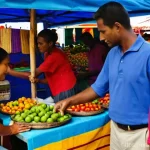
Planning a trip to Guyana? Exciting! It’s a land of raw, untamed beauty, unlike anywhere else I’ve traveled.
From the cascading Kaieteur Falls to the vibrant streets of Georgetown, Guyana offers a unique experience. However, like any adventure off the beaten path, it’s wise to be prepared.
You’ll want to be aware of potential health risks, navigate local customs with respect, and understand the general safety precautions to take. Honestly, doing some research beforehand can make all the difference between a fantastic trip and one filled with avoidable headaches.
Let’s explore the key safety tips to help you make the most of your Guyanese adventure. Let’s dive in and ensure your trip is both memorable and safe.
Let’s figure out the details down below!
Navigating Guyana’s Healthcare LandscapeExploring a new country is always exciting, but understanding its healthcare system is crucial. Guyana’s healthcare system may differ significantly from what you’re accustomed to.
I learned this firsthand when a travel buddy of mine had a minor allergic reaction after trying a new fruit at a local market. While the situation wasn’t serious, it highlighted the importance of knowing where to seek medical help and what to expect.
Understanding Local Medical Facilities
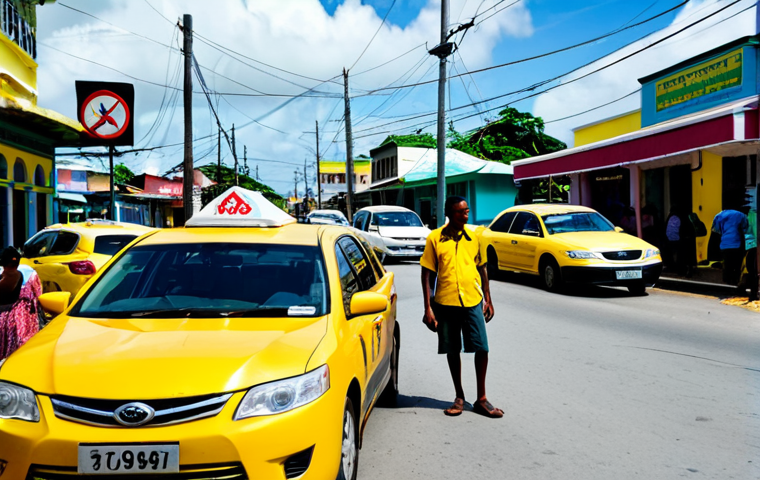
From my experience, medical facilities in Georgetown, the capital city, are generally better equipped than those in more remote areas. However, even in Georgetown, you might find that the standards don’t quite match those of Western countries.
Public hospitals can be overcrowded and under-resourced. Private clinics offer a higher standard of care, but they come at a higher cost. I always recommend having a list of recommended clinics and hospitals from your embassy or hotel, just in case.
Trust me; it provides peace of mind.
Packing a Comprehensive First-Aid Kit
Seriously, don’t underestimate the importance of this! My first time in Guyana, I skimped on my first-aid kit, thinking I could just buy anything I needed there.
Big mistake. I ended up with a nasty insect bite that I couldn’t treat properly because I didn’t have the right antiseptic. Now, I always pack a comprehensive kit with essentials like antiseptic wipes, bandages, pain relievers, anti-diarrheal medication, and any personal prescriptions.
If you wear glasses, bring an extra pair. It’s also wise to include medication for motion sickness, especially if you plan on taking boat trips.
Securing Travel Insurance for Peace of Mind
Travel insurance is non-negotiable, in my opinion. I once met a traveler who had to be airlifted out of the interior due to a snake bite. The cost was astronomical, and he wasn’t insured.
Don’t let that be you. Make sure your insurance policy covers medical emergencies, evacuation, and repatriation. Read the fine print to understand what’s covered and what’s not.
Also, carry a copy of your insurance details with you and leave a copy with someone back home. This way, if something happens, you’re prepared. Staying Connected: Communication Tips for TravelersStaying connected in Guyana can be a bit tricky, but with a little planning, you can manage it.
During my initial trip, I struggled with unreliable internet access, which made it difficult to stay in touch with family and coordinate travel plans.
Now, I’ve learned some essential tips to make communication smoother.
Purchasing a Local SIM Card
One of the first things I do upon arrival is to buy a local SIM card. It’s usually much cheaper than roaming with your home country’s plan. Two main providers, Digicel and GTT, offer decent coverage, especially in populated areas.
You can typically find SIM cards at the airport or in major towns. Ensure your phone is unlocked before you travel so you can use a local SIM. I found that having a local number also made it easier to communicate with local tour operators and arrange transportation.
Utilizing Wi-Fi Hotspots
Wi-Fi is available in many hotels, restaurants, and cafes, particularly in Georgetown and other tourist areas. However, the speed and reliability can vary.
Don’t always expect to stream videos or make video calls seamlessly. It’s a good idea to ask about Wi-Fi availability and speed before booking accommodation.
Additionally, be cautious when using public Wi-Fi; avoid accessing sensitive information like banking details on unsecured networks.
Investing in a Portable Wi-Fi Device
For more reliable internet access, consider renting a portable Wi-Fi device. These devices provide a personal Wi-Fi hotspot that you can use anywhere with cellular coverage.
While they can be a bit pricey, they’re worth it if you need consistent access for work or staying in touch with family. I once used one while exploring the interior, and it was a lifesaver for keeping in touch and sharing my experiences online.
Navigating Transportation SafelyGetting around Guyana requires some planning, as transportation options can be quite different from what you’re used to.
During one of my trips, I relied heavily on local buses, which, while cheap, were often overcrowded and uncomfortable. I quickly learned the importance of understanding the local transportation system and choosing safer, more reliable alternatives.
Understanding Local Transportation Options
- Taxis: Taxis are a common way to get around, especially in Georgetown. Always use reputable taxi services or have your hotel arrange a taxi for you. Agree on the fare beforehand to avoid any surprises. Unlicensed taxis can be risky.
- Minibuses: Minibuses are a popular but often crowded form of public transport. They can be a cheap way to travel between towns, but they’re not always the safest option. Drivers often speed and overload the buses.
- Ferries: Ferries are used to cross rivers and reach some coastal areas. Check the ferry schedules in advance and be prepared for potential delays.
- Flights: For long distances, domestic flights are the most convenient option. Several airlines operate flights between Georgetown and other parts of the country.
Choosing Reputable Transportation Services
Opt for reputable taxi services or arrange transportation through your hotel. This ensures a safer and more reliable ride. When traveling long distances, consider domestic flights, which are safer and more comfortable than minibuses.
If you must use minibuses, try to travel during daylight hours and be aware of your surroundings.
Negotiating Fares and Confirming Routes
Always agree on the fare with taxi drivers before starting your journey. This prevents overcharging and misunderstandings. When using public transport, confirm the route with the driver or conductor to ensure you’re heading in the right direction.
It’s also a good idea to have a map or GPS app handy to track your progress. Respecting Local Laws and CustomsWhen traveling to Guyana, it’s essential to be aware of and respect local laws and customs.
On my first visit, I unknowingly wore a brightly colored outfit to a more conservative rural area and felt immediately out of place. Learning about and respecting local customs can make your trip smoother and more enjoyable.
Understanding Local Laws
Guyana has its own set of laws, some of which may differ significantly from those in your home country. Drug offenses, for example, are taken very seriously and can result in severe penalties.
Be aware of the laws regarding alcohol consumption in public places and dress modestly, especially when visiting religious sites.
Observing Cultural Customs
Guyanese culture is a blend of African, Indian, Amerindian, and European influences. Dress modestly, especially when visiting religious sites or rural areas.
Always ask for permission before taking photos of people. Be patient and polite in your interactions with locals; things may move at a slower pace than you’re used to.
Showing Respect for Local Traditions
Engage with locals respectfully and show an interest in their culture and traditions. Learn a few basic phrases in Guyanese Creole (also known as Creolese) to show respect and make your interactions more meaningful.
Be mindful of local customs and traditions, especially during festivals and religious events.
| Safety Aspect | Recommendation |
|---|---|
| Healthcare | Comprehensive first-aid kit, travel insurance |
| Communication | Local SIM card, portable Wi-Fi device |
| Transportation | Reputable taxi services, domestic flights |
| Local Laws & Customs | Respectful behavior, modest dress |
Protecting Yourself from Crime and ScamsLike any travel destination, Guyana has its share of crime and scams. On one occasion, I was approached by someone offering an “exclusive” tour at a price that seemed too good to be true.
It turned out to be a scam, and I narrowly avoided being robbed. Learning to identify and avoid potential scams is crucial for a safe trip.
Being Aware of Common Scams
Be wary of overly friendly strangers offering unsolicited help or tours. Scammers often target tourists, offering services or goods at inflated prices.
Avoid accepting drinks or food from strangers, and be cautious when withdrawing money from ATMs.
Avoiding High-Risk Areas
Certain areas, especially in Georgetown, are known for higher crime rates. Avoid walking alone at night, particularly in poorly lit areas. Keep valuables out of sight and be aware of your surroundings.
If possible, travel in groups or with a local guide.
Securing Your Valuables
Keep your passport, money, and other valuables in a secure place, such as a hotel safe. Carry only the amount of cash you need for the day. Use a money belt or hidden pouch to store valuables.
Be discreet when handling money in public. Preparing for Environmental HazardsGuyana’s natural beauty also comes with potential environmental hazards.
During my trip to Kaieteur Falls, I underestimated the strength of the sun and ended up with a severe sunburn. Preparing for these hazards can help you stay safe and healthy.
Protecting Yourself from the Sun
The sun in Guyana can be intense, so always wear sunscreen with a high SPF, even on cloudy days. Wear a hat and sunglasses to protect your face and eyes.
Avoid prolonged exposure to the sun, especially during midday.
Preventing Insect Bites
Mosquitoes and other insects can be a nuisance and carry diseases like malaria and dengue fever. Use insect repellent containing DEET or picaridin. Wear long sleeves and pants, especially in the evenings.
Sleep under a mosquito net if your accommodation is not well-screened.
Staying Hydrated
It’s easy to become dehydrated in Guyana’s hot and humid climate. Drink plenty of water throughout the day, even if you don’t feel thirsty. Avoid sugary drinks and alcohol, which can dehydrate you.
Carry a reusable water bottle and refill it whenever possible. Navigating Guyana’s Healthcare Landscape
Exploring a new country is always exciting, but understanding its healthcare system is crucial. Guyana’s healthcare system may differ significantly from what you’re accustomed to. I learned this firsthand when a travel buddy of mine had a minor allergic reaction after trying a new fruit at a local market. While the situation wasn’t serious, it highlighted the importance of knowing where to seek medical help and what to expect.
Understanding Local Medical Facilities
From my experience, medical facilities in Georgetown, the capital city, are generally better equipped than those in more remote areas. However, even in Georgetown, you might find that the standards don’t quite match those of Western countries. Public hospitals can be overcrowded and under-resourced. Private clinics offer a higher standard of care, but they come at a higher cost. I always recommend having a list of recommended clinics and hospitals from your embassy or hotel, just in case. Trust me; it provides peace of mind.
Packing a Comprehensive First-Aid Kit
Seriously, don’t underestimate the importance of this! My first time in Guyana, I skimped on my first-aid kit, thinking I could just buy anything I needed there. Big mistake. I ended up with a nasty insect bite that I couldn’t treat properly because I didn’t have the right antiseptic. Now, I always pack a comprehensive kit with essentials like antiseptic wipes, bandages, pain relievers, anti-diarrheal medication, and any personal prescriptions. If you wear glasses, bring an extra pair. It’s also wise to include medication for motion sickness, especially if you plan on taking boat trips.
Securing Travel Insurance for Peace of Mind
Travel insurance is non-negotiable, in my opinion. I once met a traveler who had to be airlifted out of the interior due to a snake bite. The cost was astronomical, and he wasn’t insured. Don’t let that be you. Make sure your insurance policy covers medical emergencies, evacuation, and repatriation. Read the fine print to understand what’s covered and what’s not. Also, carry a copy of your insurance details with you and leave a copy with someone back home. This way, if something happens, you’re prepared.
Staying Connected: Communication Tips for Travelers
Staying connected in Guyana can be a bit tricky, but with a little planning, you can manage it. During my initial trip, I struggled with unreliable internet access, which made it difficult to stay in touch with family and coordinate travel plans. Now, I’ve learned some essential tips to make communication smoother.
Purchasing a Local SIM Card
One of the first things I do upon arrival is to buy a local SIM card. It’s usually much cheaper than roaming with your home country’s plan. Two main providers, Digicel and GTT, offer decent coverage, especially in populated areas. You can typically find SIM cards at the airport or in major towns. Ensure your phone is unlocked before you travel so you can use a local SIM. I found that having a local number also made it easier to communicate with local tour operators and arrange transportation.
Utilizing Wi-Fi Hotspots
Wi-Fi is available in many hotels, restaurants, and cafes, particularly in Georgetown and other tourist areas. However, the speed and reliability can vary. Don’t always expect to stream videos or make video calls seamlessly. It’s a good idea to ask about Wi-Fi availability and speed before booking accommodation. Additionally, be cautious when using public Wi-Fi; avoid accessing sensitive information like banking details on unsecured networks.
Investing in a Portable Wi-Fi Device
For more reliable internet access, consider renting a portable Wi-Fi device. These devices provide a personal Wi-Fi hotspot that you can use anywhere with cellular coverage. While they can be a bit pricey, they’re worth it if you need consistent access for work or staying in touch with family. I once used one while exploring the interior, and it was a lifesaver for keeping in touch and sharing my experiences online.
Navigating Transportation Safely
Getting around Guyana requires some planning, as transportation options can be quite different from what you’re used to. During one of my trips, I relied heavily on local buses, which, while cheap, were often overcrowded and uncomfortable. I quickly learned the importance of understanding the local transportation system and choosing safer, more reliable alternatives.
Understanding Local Transportation Options
- Taxis: Taxis are a common way to get around, especially in Georgetown. Always use reputable taxi services or have your hotel arrange a taxi for you. Agree on the fare beforehand to avoid any surprises. Unlicensed taxis can be risky.
- Minibuses: Minibuses are a popular but often crowded form of public transport. They can be a cheap way to travel between towns, but they’re not always the safest option. Drivers often speed and overload the buses.
- Ferries: Ferries are used to cross rivers and reach some coastal areas. Check the ferry schedules in advance and be prepared for potential delays.
- Flights: For long distances, domestic flights are the most convenient option. Several airlines operate flights between Georgetown and other parts of the country.
Choosing Reputable Transportation Services
Opt for reputable taxi services or arrange transportation through your hotel. This ensures a safer and more reliable ride. When traveling long distances, consider domestic flights, which are safer and more comfortable than minibuses. If you must use minibuses, try to travel during daylight hours and be aware of your surroundings.
Negotiating Fares and Confirming Routes
Always agree on the fare with taxi drivers before starting your journey. This prevents overcharging and misunderstandings. When using public transport, confirm the route with the driver or conductor to ensure you’re heading in the right direction. It’s also a good idea to have a map or GPS app handy to track your progress.
Respecting Local Laws and Customs
When traveling to Guyana, it’s essential to be aware of and respect local laws and customs. On my first visit, I unknowingly wore a brightly colored outfit to a more conservative rural area and felt immediately out of place. Learning about and respecting local customs can make your trip smoother and more enjoyable.
Understanding Local Laws
Guyana has its own set of laws, some of which may differ significantly from those in your home country. Drug offenses, for example, are taken very seriously and can result in severe penalties. Be aware of the laws regarding alcohol consumption in public places and dress modestly, especially when visiting religious sites.
Observing Cultural Customs
Guyanese culture is a blend of African, Indian, Amerindian, and European influences. Dress modestly, especially when visiting religious sites or rural areas. Always ask for permission before taking photos of people. Be patient and polite in your interactions with locals; things may move at a slower pace than you’re used to.
Showing Respect for Local Traditions
Engage with locals respectfully and show an interest in their culture and traditions. Learn a few basic phrases in Guyanese Creole (also known as Creolese) to show respect and make your interactions more meaningful. Be mindful of local customs and traditions, especially during festivals and religious events.
| Safety Aspect | Recommendation |
|---|---|
| Healthcare | Comprehensive first-aid kit, travel insurance |
| Communication | Local SIM card, portable Wi-Fi device |
| Transportation | Reputable taxi services, domestic flights |
| Local Laws & Customs | Respectful behavior, modest dress |
Protecting Yourself from Crime and Scams
Like any travel destination, Guyana has its share of crime and scams. On one occasion, I was approached by someone offering an “exclusive” tour at a price that seemed too good to be true. It turned out to be a scam, and I narrowly avoided being robbed. Learning to identify and avoid potential scams is crucial for a safe trip.
Being Aware of Common Scams
Be wary of overly friendly strangers offering unsolicited help or tours. Scammers often target tourists, offering services or goods at inflated prices. Avoid accepting drinks or food from strangers, and be cautious when withdrawing money from ATMs.
Avoiding High-Risk Areas
Certain areas, especially in Georgetown, are known for higher crime rates. Avoid walking alone at night, particularly in poorly lit areas. Keep valuables out of sight and be aware of your surroundings. If possible, travel in groups or with a local guide.
Securing Your Valuables
Keep your passport, money, and other valuables in a secure place, such as a hotel safe. Carry only the amount of cash you need for the day. Use a money belt or hidden pouch to store valuables. Be discreet when handling money in public.
Preparing for Environmental Hazards
Guyana’s natural beauty also comes with potential environmental hazards. During my trip to Kaieteur Falls, I underestimated the strength of the sun and ended up with a severe sunburn. Preparing for these hazards can help you stay safe and healthy.
Protecting Yourself from the Sun
The sun in Guyana can be intense, so always wear sunscreen with a high SPF, even on cloudy days. Wear a hat and sunglasses to protect your face and eyes. Avoid prolonged exposure to the sun, especially during midday.
Preventing Insect Bites
Mosquitoes and other insects can be a nuisance and carry diseases like malaria and dengue fever. Use insect repellent containing DEET or picaridin. Wear long sleeves and pants, especially in the evenings. Sleep under a mosquito net if your accommodation is not well-screened.
Staying Hydrated
It’s easy to become dehydrated in Guyana’s hot and humid climate. Drink plenty of water throughout the day, even if you don’t feel thirsty. Avoid sugary drinks and alcohol, which can dehydrate you. Carry a reusable water bottle and refill it whenever possible.
In Conclusion
Traveling to Guyana can be an unforgettable experience if you’re well-prepared. By understanding the local healthcare system, staying connected, navigating transportation safely, respecting local customs, and protecting yourself from potential hazards, you can ensure a safe and enjoyable trip. Embrace the adventure, but always prioritize your well-being!
Good to Know Information
1. Currency: The official currency is the Guyanese dollar (GYD). U.S. dollars are widely accepted.
2. Language: English is the official language, but Guyanese Creole is commonly spoken.
3. Electricity: The standard voltage is 110V/220V, and the frequency is 60Hz. Adapters may be needed.
4. Tipping: Tipping is not always expected but is appreciated for good service, usually around 10%.
5. Best Time to Visit: The dry seasons (February to April and August to November) are the best times to visit.
Key Takeaways
-Prioritize health by packing a comprehensive first-aid kit and securing travel insurance.
-Stay connected with a local SIM card or portable Wi-Fi device.
-Use reputable transportation services and negotiate fares in advance.
-Respect local laws and customs, dressing modestly and being mindful of traditions.
-Protect yourself from crime by being aware of common scams and securing your valuables.
Frequently Asked Questions (FAQ) 📖
Q: What are the most important health precautions to consider before traveling to Guyana?
A: Alright, listen up, because this is super important. You absolutely need to consult your doctor well in advance of your trip regarding vaccinations. Yellow fever is a must, and depending on where you’re headed in the country, malaria prophylaxis might be recommended – seriously, don’t skip this.
Also, pack a robust first-aid kit with things like antiseptic wipes, diarrhea medication (trust me, your stomach will thank you), and any personal medications you require.
Food and water safety are key too; stick to bottled or purified water, and be mindful of where you eat. If it looks dodgy, it probably is.
Q: What kind of cultural customs should I be aware of to show respect in Guyana?
A: Okay, Guyana’s a melting pot of cultures, so being respectful goes a long way. Dress modestly, especially when visiting religious sites. Public displays of affection might raise eyebrows, so keep that in mind.
Greetings are generally warm and friendly, often involving a handshake. Be patient and understanding, things might move at a different pace than you’re used to.
And please, bargain respectfully when shopping at markets – it’s part of the culture, but don’t try to lowball someone outrageously. A little bit of charm and a genuine smile can get you far.
Q: What are the main safety concerns I should be mindful of while traveling in Guyana, especially in Georgetown?
A: Georgetown’s got its charm, but like any major city, you’ve got to be street smart. Avoid walking alone at night, especially in poorly lit areas. Keep your valuables out of sight; flashy jewelry and expensive cameras can attract unwanted attention.
Be aware of your surroundings and trust your gut. Taxis are generally safe, but negotiate the fare beforehand. It’s also wise to have a copy of your passport and other important documents stored separately from the originals.
Finally, keep up-to-date with any travel advisories issued by your government. Better safe than sorry, right?
📚 References
Wikipedia Encyclopedia