It’s absolutely incredible how many of us are craving real, unfiltered experiences these days, isn’t it? The kind of adventure that truly connects you with something bigger than yourself, far away from the screens and the daily grind.
I know I’ve felt that pull, searching for places that still feel genuinely wild and untamed. Well, if you’re anything like me, let me tell you about a secret treasure that’s quickly becoming the go-to for those in the know: Guyana.
This isn’t your typical Caribbean escape with crowded beaches and resorts; it’s a living, breathing emerald heart of South America, brimming with ecosystems that are simply unparalleled on Earth.
Its commitment to preserving its vast rainforests and incredible biodiversity is truly inspiring, making it a pioneer in sustainable ecotourism. Seriously, it’s a place where you don’t just *see* wildlife; you become part of its story, witnessing firsthand the delicate balance of nature and the powerful efforts to protect it.
From spotting elusive jaguars and giant anteaters to hearing the calls of countless bird species, the immersive experience here is unlike anything else.
It’s a testament to how responsible travel can actually make a difference, contributing directly to the conservation of these vital habitats and empowering local communities.
Ready to step into a world where true wilderness reigns supreme and every moment is an unforgettable encounter? Let’s uncover the wonders of Guyana’s wildlife sanctuaries together, and you’ll soon understand why this destination is quickly capturing the hearts of adventurers worldwide.
Unveiling the Emerald Majesty: Guyana’s Pristine Ecosystems
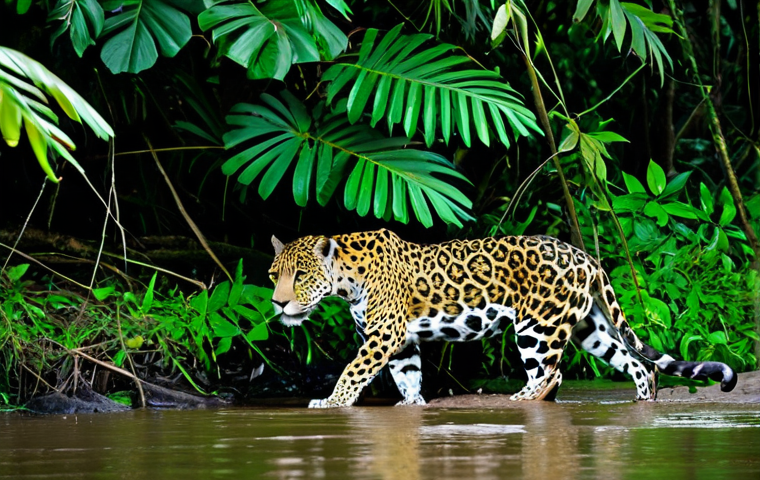
Stepping into Guyana felt like walking into a forgotten chapter of Earth’s history, a place where the wild heart of the Amazon beats strongest, largely untouched by the relentless march of modern development. I remember the very first moment I arrived; the air was thick with the scent of damp earth and blooming foliage, a symphony of unseen creatures already playing their overture. It’s truly a marvel how this nation has managed to safeguard such an immense portion of its rainforest, creating a haven for an incredible array of biodiversity that’s genuinely mind-boggling. We’re talking about a country that’s over 80% forest, and its dedication to protecting these invaluable ecosystems isn’t just talk; it’s a way of life, deeply ingrained in the local culture and conservation efforts. From the moment you touch down, you realize this isn’t a passive observation trip; it’s an invitation to become an active participant in understanding and appreciating one of our planet’s most vital natural treasures. The sheer scale of the conservation initiatives here, often driven by indigenous communities who are the true custodians of the land, is something that has personally inspired me to reflect on my own impact on the environment. Every rustle in the leaves, every distant call, reminds you that you’re in a place where nature still holds absolute dominion, a truly humbling and exhilarating experience all at once.
Deep Dive into the Canopy and Beyond
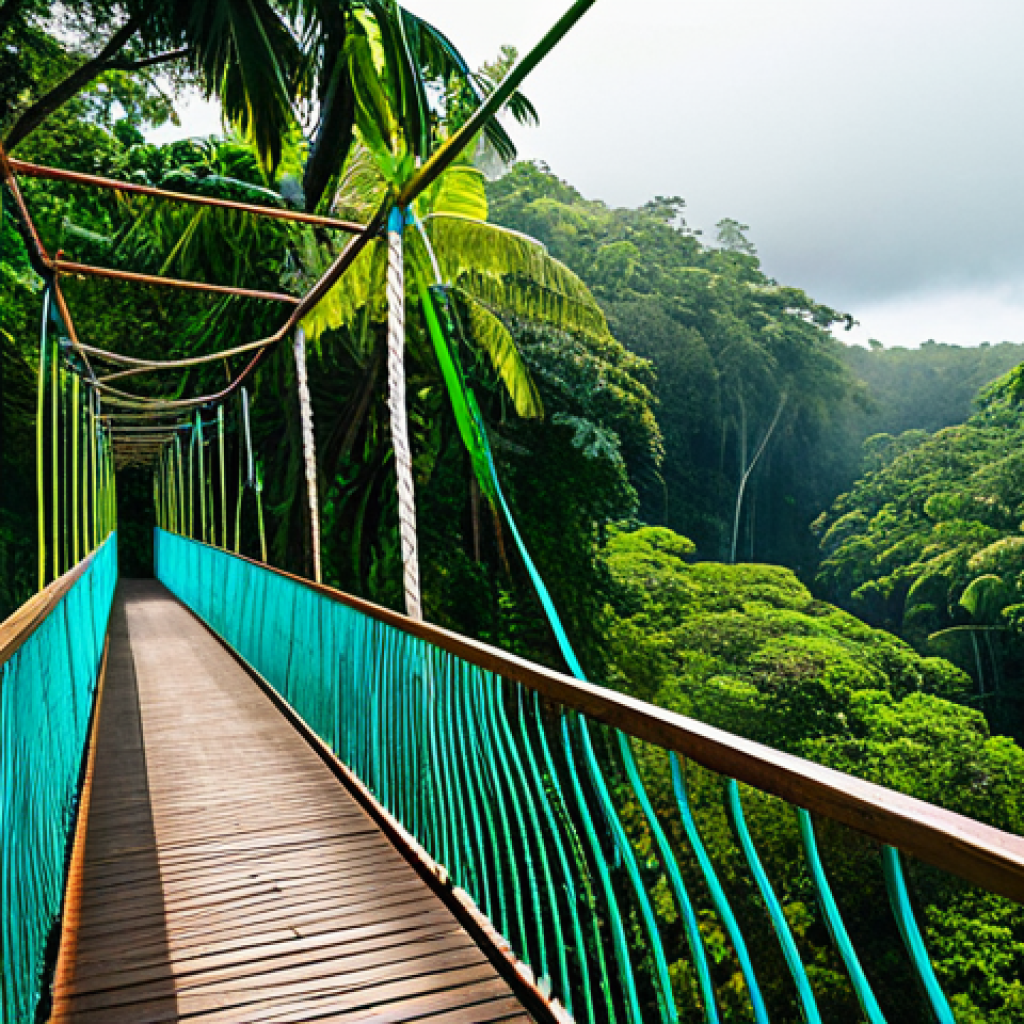
My adventures in Guyana often began at the canopy level, traversing suspension bridges that swayed gently high above the forest floor, offering breathtaking panoramic views that truly put things into perspective. It’s an incredible feeling, being eye-level with trees that have stood for centuries, watching vibrant toucans flit between branches and hearing the distant roar of howler monkeys echoing through the dense foliage. What truly struck me was the sheer variety of life supported by these layers. One moment, you’re spotting a sloth moving at its famously leisurely pace, and the next, a flash of iridescent blue signals a morpho butterfly gliding past. It’s not just about what you see; it’s about what you *feel* – the humidity, the rich smells, the constant hum of life. I always recommend spending time in these elevated ecosystems because it offers such a unique vantage point, revealing the intricate relationships between plants and animals that might otherwise go unnoticed. The guides, often local experts who have grown up in these forests, possess an encyclopedic knowledge that transforms every sighting into a fascinating story, sharing insights into the behaviors and habitats of creatures both common and rare. It’s an educational experience that goes far beyond any textbook.
Spotting Elusive Giants: From Jaguars to Giant Anteaters
Let’s be real, for many of us, the ultimate thrill of an ecotourism trip is the chance to see some of the planet’s most magnificent and elusive creatures in their natural habitat. And let me tell you, Guyana delivers on this front in spectacular fashion. I’ve been fortunate enough to have a few truly unforgettable encounters. The memory of seeing a jaguar, a creature of such silent power and grace, emerge from the shadows along a riverbank is something that will stay with me forever. It wasn’t a staged event; it was raw, authentic wilderness, and I felt privileged to witness it. But it’s not just about the big cats. The giant anteater, with its distinctive long snout and bushy tail, is another incredible sight, often observed diligently foraging for insects in the savannas. Then there are the massive black caimans, lurking in the dark waters of the Rupununi, whose eyes glow ominously in the beam of a spotlight during night safaris. My personal tip? Patience is your best friend here. These animals are wild, and there are no guarantees, but the reward of a genuine sighting is far greater than any zoo exhibit could ever offer. The journey of searching, guided by trackers who understand every subtle sign, becomes an adventure in itself, building anticipation and making the eventual discovery all the more profound.
Living the Local Life: Indigenous Partnerships in Conservation
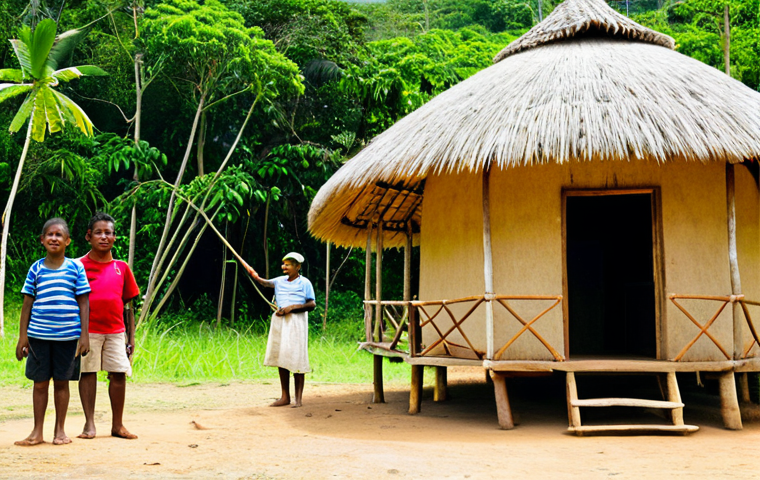
What makes Guyana’s approach to ecotourism truly stand out is its deep respect for and active partnership with indigenous communities. It’s not just about visiting their ancestral lands; it’s about learning from them, understanding their traditional ecological knowledge, and seeing how their sustainable practices are at the very heart of conservation efforts. My stays in various indigenous-run lodges and villages, particularly in the Rupununi region, were some of the most enriching experiences of my life. I remember sitting by the fire, listening to stories passed down through generations, learning about the medicinal properties of plants I’d previously walked right past, and witnessing firsthand the intricate balance these communities maintain with their environment. Their expertise in tracking, fishing, and navigating the dense forest is unparalleled, and it’s this knowledge that forms the backbone of successful wildlife protection here. It’s a powerful model, demonstrating how sustainable tourism can directly benefit local people, providing livelihoods that are intrinsically linked to preserving the very nature that draws us there. This symbiotic relationship ensures that your travel dollars are doing good, supporting communities who are on the front lines of safeguarding these precious ecosystems for future generations. It makes the entire experience so much more meaningful, transforming a vacation into a contribution.
Community-Led Ecotourism Initiatives
One of the most heartwarming aspects of my trips has been witnessing the incredible success of community-led ecotourism initiatives. Places like Rewa Village, Surama, and Karanambu Ranch aren’t just names on a map; they are living examples of how local empowerment can drive world-class conservation and tourism. These initiatives are managed by the indigenous people themselves, from guiding tours and operating lodges to crafting beautiful handicrafts and preparing delicious local cuisine. I’ve personally seen how these projects create sustainable income, improve local infrastructure, and, crucially, instill a sense of pride and ownership in protecting their natural heritage. It’s a stark contrast to many other destinations where tourism can feel extractive. Here, every interaction feels authentic, every dollar spent directly supports the people and the land. For example, staying at an eco-lodge run by the Makushi people, I learned about their efforts to monitor wildlife populations, track illegal hunting, and educate their youth about the importance of environmental stewardship. It’s a holistic approach that truly embodies the spirit of responsible travel, and it left a profound impression on me, reinforcing the idea that sustainable practices are not just good for nature, but also for people.
Navigating the Wild: Essential Tips for Your Guyanese Adventure
Planning a trip to a destination as wild and wondrous as Guyana requires a bit of savvy, but trust me, it’s absolutely worth every bit of preparation. This isn’t your average resort holiday, and that’s precisely its charm! My first time, I definitely overpacked, thinking I needed a bit of everything, but I quickly learned that practicality and lightweight gear are your best friends. Think breathable clothing, good insect repellent (and lots of it!), and a sturdy pair of waterproof hiking boots. But beyond the gear, understanding the logistical nuances is key. Getting around often involves small planes flying to remote airstrips, river boats navigating winding waterways, and sometimes even overland jeeps through challenging terrain. These journeys are part of the adventure themselves, offering incredible views and glimpses into the vastness of the landscape. I always recommend booking through reputable eco-tour operators who have strong ties to local communities; they not only handle the complexities of transport and accommodation but also ensure your trip aligns with ethical and sustainable tourism practices. They can also advise on the best time of year to visit, depending on what wildlife you’re hoping to encounter. A little planning goes a long way in ensuring your Guyanese odyssey is as smooth and incredible as the landscapes you’ll explore.
Preparing for the Elements and Encounters
When you’re venturing deep into the rainforest, being prepared for the elements is non-negotiable. I can’t stress enough the importance of good rain gear, even during the “dry” season – pop-up showers are a common occurrence and often quite intense, quickly turning trails muddy. Hydration is also paramount; the tropical heat and humidity mean you’ll be sweating more than you realize, so always carry plenty of water or a reliable water filter. And, of course, a first-aid kit stocked with essentials, including anti-itch cream for insect bites, is a must. Beyond the practicalities, it’s also about preparing mentally for the unique encounters this environment offers. You’ll hear sounds you’ve never heard before, see insects of incredible size and color, and truly feel immersed in a world where humans are visitors. It’s about embracing the unknown, being adaptable, and having an open mind. I’ve found that approaching these experiences with a sense of wonder and respect for the wild often leads to the most rewarding moments. Remember, you’re a guest in their home, and respecting the wildlife by keeping a safe distance and not disturbing their natural behaviors is crucial for both your safety and their well-being. Always listen to your guides; their experience is invaluable.
Wildlife Wonders: A Glimpse into Guyana’s Biodiversity Hotspots
Guyana is, without a doubt, one of the most biodiverse places on Earth, a true hotspot where species thrive in incredible numbers. What I’ve personally found so fascinating is not just the sheer variety, but the endemic species – those found nowhere else on the planet. The country’s commitment to protecting these unique ecosystems means that many of these animals have strongholds here, offering unparalleled opportunities for wildlife enthusiasts and researchers alike. From the vibrant harpy eagle, one of the largest and most powerful raptors in the world, to the tiny, jewel-toned dart frogs hidden among the leaf litter, every corner of the rainforest pulses with life. The rivers, too, are teeming with incredible creatures like the giant river otter, often seen playfully frolicking in family groups, and the massive arapaima, one of the largest freshwater fish. It’s a constant reminder of the incredible richness of our planet and why places like Guyana are so vital to global conservation efforts. The government’s proactive stance on environmental protection, including establishing protected areas and promoting sustainable resource management, means that these wonders are not just preserved for today but also for generations to come. It truly makes you feel like you’re witnessing something incredibly special, a living legacy of biodiversity.
Key Biodiversity Hotspots and Their Inhabitants
When I think about specific locations that truly exemplify Guyana’s wildlife richness, a few instantly come to mind, each offering its own unique flavor of adventure and discovery. The Rupununi Savannah, for instance, is a vast grassland dotted with gallery forests and wetlands, acting as a crucial transition zone between the Amazon and the drier regions. This is where you’re most likely to spot giant anteaters, pumas, and a dizzying array of bird species, from macaws to jabiru storks. Then there’s the Kaieteur National Park, home to the breathtaking Kaieteur Falls, one of the world’s most powerful single-drop waterfalls. But it’s not just the falls; the surrounding cloud forest is a haven for unique amphibians, fascinating insects, and the elusive Guianan cock-of-the-rock. The Iwokrama International Centre for Rain Forest Conservation and Development, a massive protected area, is where many of those iconic jaguar sightings occur, alongside giant otters and various primate species. Each of these areas offers a distinct ecological experience, and what’s fantastic is how accessible they are through community-run lodges and experienced local guides. They are meticulously managed to ensure minimal impact, offering visitors an authentic and responsible way to engage with the wild.
Sustainable Journeys: Making a Difference with Every Visit
One of the most profound aspects of my travels through Guyana has been the undeniable feeling that my presence, when managed responsibly, genuinely contributes to something bigger than myself. This isn’t just about ticking off a bucket-list destination; it’s about being part of a solution, supporting a country that has made conservation a cornerstone of its national identity. The concept of sustainable ecotourism isn’t just a buzzword here; it’s actively practiced, from the minimal-impact eco-lodges built with local materials to the strict guidelines around wildlife viewing. Every tour I’ve taken, every guide I’ve hired, has been a local, often from indigenous communities, meaning that my money directly supports the families and villages who are the frontline guardians of these precious forests. It’s an empowering feeling, knowing that your adventure holiday is actually helping to preserve vital habitats, provide education, and foster economic development in a way that respects both nature and culture. I’ve personally seen how the revenue generated from ecotourism helps fund anti-poaching patrols, supports scientific research into biodiversity, and enables communities to continue their traditional way of life without having to resort to environmentally damaging practices. It’s a virtuous cycle, and it makes every moment of your trip feel incredibly purposeful and impactful.
The Power of Responsible Travel Choices
Making responsible travel choices in Guyana is surprisingly straightforward, thanks to the country’s well-established commitment to ecotourism. It starts with selecting tour operators who are genuinely invested in sustainable practices and community partnerships. I always look for those that explicitly state their ethical guidelines, support local guides, and have transparent policies regarding their impact on the environment. Avoiding single-use plastics, respecting local customs, and adhering to “leave no trace” principles are small but significant actions every traveler can take. What I’ve personally observed is that when travelers consciously engage in these practices, it amplifies the positive impact of their visit. For example, opting for locally sourced food and crafts not only enriches your cultural experience but also puts money directly into the hands of Guyanese artisans and farmers. It’s about being an active participant in conservation, not just a passive observer. This approach not only enhances your own journey, creating deeper connections and more meaningful memories, but also contributes to the long-term health and vitality of Guyana’s incredible natural and cultural heritage. It leaves you with more than just photographs; it leaves you with the satisfaction of knowing you were part of something good.
| Wildlife Hotspot | Primary Attractions & Wildlife | Best Time to Visit | Typical Activities |
|---|---|---|---|
| Rupununi Savannah | Giant Anteaters, Jaguars, Pumas, Giant River Otters, Macaws, Jabiru Storks | Dry Season (Aug-Apr) for easier travel; Wet Season (May-Jul) for lush landscapes and birding | Wildlife tracking, Birdwatching, River safaris, Community visits |
| Kaieteur National Park | Kaieteur Falls, Guianan Cock-of-the-Rock, Golden Frogs, various primates | Year-round, best views during rainy season (May-Jul) due to water volume | Waterfall viewing, Rainforest hiking, Birdwatching |
| Iwokrama Rainforest | Jaguars, Harpy Eagles, Giant Otters, Black Caiman, diverse primates | Dry Season (Aug-Apr) for easier wildlife viewing; Wet Season (May-Jul) for rich flora | Canopy walks, River trips, Wildlife spotlighting, Nature walks |
| Shell Beach | Four species of sea turtles nesting (Leatherback, Green, Hawksbill, Olive Ridley), diverse birdlife | Nesting season (Mar-Aug), especially Apr-Jul for peak activity | Turtle nesting tours (nighttime), Birdwatching, Beach walks |
Embracing the Unexpected: My Personal Reflections on Guyana
Every time I’ve journeyed into Guyana’s wilderness, I’ve been struck by how profoundly it changes my perspective. It’s not just the awe-inspiring landscapes or the incredible wildlife; it’s the feeling of truly disconnecting from the manufactured pace of modern life and reconnecting with something far more ancient and real. I remember one evening, sitting by a remote river, the only sounds being the chirping of crickets and the distant calls of howler monkeys, with a sky so ablaze with stars it felt like I could reach out and touch the Milky Way. Moments like that are pure magic, a stark reminder of the beauty that still exists when we allow ourselves to truly be present. This isn’t a destination for those seeking luxurious pampering, but for anyone craving genuine adventure, deep immersion in nature, and a chance to witness powerful conservation efforts firsthand, Guyana is an unparalleled treasure. It’s a place that asks you to be adaptable, to step outside your comfort zone, and in return, it offers experiences that will stay with you long after you’ve returned home. I’ve found myself constantly reflecting on the resilience of nature and the inspiring dedication of the Guyanese people to protect it. It’s a powerful lesson in stewardship, taught not through lectures, but through living, breathing examples all around you.
A Journey That Stays with You
There’s a unique kind of impact a trip to Guyana leaves on you, something that lingers beyond the memories and photographs. For me, it’s been a renewed sense of appreciation for the delicate balance of ecosystems and a stronger commitment to supporting sustainable travel wherever I go. I’ve returned home not just with incredible stories of jaguar sightings or exhilarating river journeys, but with a deeper understanding of the interconnectedness of all life. The warmth and generosity of the indigenous communities, their profound knowledge of the land, and their unwavering dedication to conservation have been particularly inspiring. They taught me that true wealth isn’t measured in material possessions, but in the health of our environment and the strength of our communities. It’s a place that challenges your preconceived notions about travel and replaces them with authentic, often raw, experiences that shape you in unexpected ways. If you’re looking for an adventure that combines exhilarating wildlife encounters with meaningful cultural exchange and a tangible contribution to global conservation, then Guyana should be at the very top of your list. Trust me, it’s a journey that will not only fulfill your craving for the wild but also leave an indelible mark on your soul.
Concluding Thoughts
As my adventures in Guyana always draw to a close, there’s a particular feeling that washes over me—a blend of profound satisfaction and a gentle melancholy to leave such a vibrant, untamed place. Every journey here solidifies my belief that some of the world’s greatest treasures aren’t found in bustling cities or opulent resorts, but deep within the wild, where nature orchestrates its own magnificent symphony. Guyana has a way of getting under your skin, not just with its incredible biodiversity and breathtaking landscapes, but with the genuine warmth of its people and their unwavering dedication to protecting what they hold so dear. It’s a truly humbling experience, leaving you not just with incredible stories and photographs, but with a deeply enriched perspective and a renewed commitment to our planet’s future.
Useful Information to Know for Your Guyanese Expedition
Planning a trip to Guyana, while incredibly rewarding, definitely benefits from a little insider knowledge. Having navigated these amazing lands multiple times, I’ve gathered a few tips that I wish I knew on my very first visit. This isn’t your average tourist destination, and that’s precisely what makes it so special! Getting a handle on these practicalities will ensure your journey is as smooth and enjoyable as possible, letting you focus on soaking in every incredible moment.
Best Time to Visit for Wildlife and Weather
- Dry Season (August to April): This period generally offers easier travel, especially for overland routes and accessing remote interior lodges, as river levels are lower and trails are less muddy. It’s often considered ideal for general wildlife viewing, as animals may congregate around shrinking water sources. I’ve found this to be fantastic for spotting jaguars along riverbanks.
- Wet Season (May to July): While travel can be a bit more challenging due to higher water levels and heavier rainfall, this season transforms the landscape into a lush, vibrant green. Birdwatching is often phenomenal, with many species breeding, and Kaieteur Falls is at its most spectacular with immense water flow. Embrace the rain; it’s part of the authentic rainforest experience!
Navigating the Interior: Transport and Guides
-
Internal Flights: For most interior destinations, small bush planes are the primary mode of transport. These flights offer incredible aerial views but operate on sometimes flexible schedules and have strict baggage weight limits. Pack light, always!
-
River Boats and 4x4s: Once you land at a remote airstrip, expect to continue your journey by motorized canoe or rugged 4×4 vehicle. These are essential for reaching eco-lodges and wildlife viewing. Embrace the journey; it’s often as exciting as the destination itself!
-
Experienced Local Guides are Essential: Never venture into the interior without a knowledgeable local guide. Their expertise in tracking, navigation, and understanding the local ecosystem is invaluable for both your safety and for maximizing your wildlife encounters. I’ve learned so much from their generational wisdom.
Health, Safety, and Personal Gear
-
Vaccinations and Health: Consult your doctor well in advance about necessary vaccinations (e.g., Yellow Fever) and malaria prophylaxis. Carry a comprehensive personal first-aid kit with essentials like antiseptic wipes, pain relievers, and anti-itch cream for insect bites.
-
Insect Protection: Mosquitoes and other biting insects are prevalent. Pack strong insect repellent with DEET, wear long-sleeved shirts and trousers (lightweight and breathable are key!), and consider treating clothing with permethrin. A mosquito net might be provided by lodges, but it’s good to check.
-
Packing Essentials: Think quick-drying, breathable clothing (earth tones are best for wildlife viewing), a good quality waterproof rain jacket and pants, sturdy waterproof hiking boots, a wide-brimmed hat, sunglasses, a reliable headlamp or flashlight, a reusable water bottle, and a dry bag for electronics. Don’t forget high-SPF sunscreen!
Currency and Budgeting
-
Guyanese Dollar (GYD): This is the local currency, but US Dollars are widely accepted in many tourist-oriented establishments, especially for larger purchases. Always carry small denominations of GYD for local markets or small purchases.
-
Budgeting for Eco-tourism: Guyana’s ecotourism focuses on authentic, sustainable experiences, often involving community-run lodges. These experiences, while invaluable, can be pricier than conventional holidays due to logistical challenges and the significant investment in conservation. Factor in costs for internal flights, guided tours, and comfortable (but not necessarily luxurious) accommodation.
Cultural Sensitivity and Connectivity
-
Respect Local Customs: When visiting indigenous communities, always be respectful of their traditions, ask permission before taking photos, and engage with genuine curiosity. Many communities welcome sharing their culture, and it enriches the experience immensely.
-
Limited Connectivity: Embrace the digital detox! While some lodges may offer limited Wi-Fi or satellite phone access, expect to be largely off-grid in the interior. This is a chance to truly disconnect and immerse yourself in your surroundings. Inform loved ones beforehand about potential communication gaps.
Key Takeaways from Your Guyanese Adventure
Health, Safety, and Personal Gear
- Vaccinations and Health: Consult your doctor well in advance about necessary vaccinations (e.g., Yellow Fever) and malaria prophylaxis. Carry a comprehensive personal first-aid kit with essentials like antiseptic wipes, pain relievers, and anti-itch cream for insect bites.
- Insect Protection: Mosquitoes and other biting insects are prevalent. Pack strong insect repellent with DEET, wear long-sleeved shirts and trousers (lightweight and breathable are key!), and consider treating clothing with permethrin. A mosquito net might be provided by lodges, but it’s good to check.
- Packing Essentials: Think quick-drying, breathable clothing (earth tones are best for wildlife viewing), a good quality waterproof rain jacket and pants, sturdy waterproof hiking boots, a wide-brimmed hat, sunglasses, a reliable headlamp or flashlight, a reusable water bottle, and a dry bag for electronics. Don’t forget high-SPF sunscreen!
Currency and Budgeting
-
Guyanese Dollar (GYD): This is the local currency, but US Dollars are widely accepted in many tourist-oriented establishments, especially for larger purchases. Always carry small denominations of GYD for local markets or small purchases.
-
Budgeting for Eco-tourism: Guyana’s ecotourism focuses on authentic, sustainable experiences, often involving community-run lodges. These experiences, while invaluable, can be pricier than conventional holidays due to logistical challenges and the significant investment in conservation. Factor in costs for internal flights, guided tours, and comfortable (but not necessarily luxurious) accommodation.
Cultural Sensitivity and Connectivity
-
Respect Local Customs: When visiting indigenous communities, always be respectful of their traditions, ask permission before taking photos, and engage with genuine curiosity. Many communities welcome sharing their culture, and it enriches the experience immensely.
-
Limited Connectivity: Embrace the digital detox! While some lodges may offer limited Wi-Fi or satellite phone access, expect to be largely off-grid in the interior. This is a chance to truly disconnect and immerse yourself in your surroundings. Inform loved ones beforehand about potential communication gaps.
Key Takeaways from Your Guyanese Adventure
Cultural Sensitivity and Connectivity
- Respect Local Customs: When visiting indigenous communities, always be respectful of their traditions, ask permission before taking photos, and engage with genuine curiosity. Many communities welcome sharing their culture, and it enriches the experience immensely.
- Limited Connectivity: Embrace the digital detox! While some lodges may offer limited Wi-Fi or satellite phone access, expect to be largely off-grid in the interior. This is a chance to truly disconnect and immerse yourself in your surroundings. Inform loved ones beforehand about potential communication gaps.
Key Takeaways from Your Guyanese Adventure
Reflecting on my many journeys to Guyana, there are a few core messages that consistently shine through, shaping not just how I view this incredible country, but also how I approach travel and conservation more broadly. If you’re considering a visit, or simply curious about what makes this destination so unique, these are the points I truly want to emphasize. It’s a place that delivers on multiple levels, offering far more than just a typical holiday.
A Pristine Heart of Biodiversity
-
Untouched Wilderness: Guyana truly stands as one of the last bastions of pristine Amazonian rainforest, boasting an astounding level of biodiversity that is genuinely unparalleled. It’s a living laboratory and a critical global lung, vital for our planet’s health. I’ve seen species here that are rare or extinct elsewhere, a testament to its protected status.
-
Wildlife Spectacle: From the elusive jaguar to the majestic harpy eagle, the playful giant river otter, and the massive arapaima, Guyana offers some of the most exciting and authentic wildlife viewing opportunities on Earth. Every encounter feels like a privilege, a glimpse into a truly wild world.
Indigenous-Led Conservation: A Powerful Model
-
Guardians of the Forest: The heart of Guyana’s conservation success lies in the active and empowered involvement of its indigenous communities. They are the true stewards of the land, leveraging their traditional knowledge and sustainable practices to protect their ancestral territories. My experiences with these communities have been some of the most inspiring parts of my travels.
-
Community-Based Ecotourism: By choosing to stay in indigenous-run lodges and utilize local guides, travelers directly contribute to sustainable livelihoods and empower these communities to continue their vital conservation work. Your travel dollars have a tangible, positive impact here, fostering economic development that is deeply tied to environmental protection.
Responsible Travel: Making a Difference
-
Ethical Choices Matter: Every decision you make, from choosing your tour operator to your daily habits on the ground, contributes to the sustainability of Guyana’s ecosystems and cultures. Opting for responsible tourism partners ensures your visit aligns with ethical guidelines and minimizes your footprint.
-
A Transformative Experience: A trip to Guyana is more than just a vacation; it’s a deeply immersive and often transformative experience. It challenges you to connect with nature on a profound level, to appreciate the delicate balance of life, and to return home with a renewed sense of purpose and advocacy for conservation. It’s an adventure that stays with you, inspiring long after you’ve left.
Frequently Asked Questions (FAQ) 📖
Q: What kind of amazing wildlife can I truly expect to see in Guyana, and how likely am I to spot those incredibly elusive creatures like jaguars?
A: Oh, this is hands down one of the most frequently asked questions, and for good reason! When I first planned my trip, I was dreaming of seeing those majestic, rare animals you only ever glimpse in documentaries, and let me tell you, Guyana absolutely delivers.
It’s not a zoo, though, and that’s precisely its charm. You’re stepping into their world, and that’s a humbling, exhilarating experience. We’re talking about a biodiversity hotspot, a place teeming with life that’s unlike anywhere else.
During my adventures there, I was absolutely blown away by the sheer variety. For birdwatchers, it’s paradise – the sheer number of species, from vibrant macaws to the iconic Harpy Eagle (which I actually spotted, can you believe it?!), is just incredible.
My binoculars were practically glued to my face. Then there are the mammals. I vividly remember a moment on the Rewa River, gliding silently in a dugout canoe, when we saw a family of giant otters playfully fishing.
Their antics were just priceless, and it felt so incredibly intimate, like we were the only humans for miles. You’ll also encounter massive creatures like giant anteaters shuffling through the savannahs, their long snouts probing for insects, and capybaras, the world’s largest rodents, chilling by the water.
And yes, about those elusive big cats – jaguars and pumas. While seeing a jaguar is never a guarantee (they’re incredibly shy and masters of camouflage), the dedicated guides in places like Iwokrama and Rewa have an uncanny ability to track them.
I didn’t see one on my first trip, but the thrill of knowing they were nearby, seeing fresh paw prints, and hearing the local stories, made it almost as exciting.
On my second visit, though, pure magic! A brief, breathtaking glimpse of a jaguar crossing a forest path at dawn – it was truly a moment that will stay with me forever.
The key is going with experienced local guides who know the terrain and animal behaviors inside out, and having a bit of patience. Plus, even if the jaguar remains hidden, the sheer abundance of other incredible wildlife, from diverse monkeys swinging through the canopy to caimans basking on riverbanks, ensures every moment is an unforgettable encounter.
Trust me, the wild heart of Guyana will captivate you completely.
Q: Is it genuinely safe to travel deep into Guyana’s rainforests for ecotourism, and what’s the absolute best way to plan a truly authentic and responsible trip that actually makes a difference?
A: This is such an important question, and it’s one I asked myself a lot before my first trip. I completely understand the concerns, especially when you’re venturing into such a wild and remote place.
From my personal experience, and having talked to many fellow travelers and locals, I can confidently say that responsible ecotourism in Guyana is generally very safe.
The key, and I really can’t stress this enough, is to go with reputable, locally-owned or community-run lodges and tour operators. These aren’t your typical big resorts; they are deeply invested in their communities and the safety of their guests.
When I was planning, I spent a lot of time researching places like the Iwokrama River Lodge and various community-run operations in the Rupununi region.
What I found was that these places prioritize safety and sustainability above all else. Your guides are local Indigenous people, and they know the rainforest intimately – they’ve grown up in it.
They’re trained in first aid, wildlife tracking, and river navigation. They also have an incredible respect for the environment and an innate understanding of how to navigate it safely.
I always recommend booking through established eco-tour companies that work directly with these local lodges. This ensures you’re getting legitimate, well-organized experiences and that your money is directly supporting the communities and conservation efforts.
To plan an authentic and responsible trip, start by looking for accommodations that are community-owned or have strong partnerships with local Indigenous villages.
These places often hire local staff, source food locally, and dedicate a portion of their profits back into community projects, like schools or healthcare.
Think about the style of travel you want: do you prefer a lodge with some comforts, or are you up for a more rustic, deep-jungle camp experience? I’ve done both, and both were incredible in their own ways.
Being open to less luxurious accommodations often means you’re supporting more grassroots initiatives. Also, pack light, respect local customs, and be prepared for the elements (good rain gear and insect repellent are non-negotiable!).
By choosing these kinds of operators, you’re not just a tourist; you become a part of a larger story, directly contributing to the preservation of this incredible wilderness and empowering the people who call it home.
It’s an investment in a better future, both for you and for Guyana’s invaluable ecosystems.
Q: How does visiting Guyana actually contribute to conservation and local communities, and what truly sets its ecotourism apart from other renowned wildlife destinations around the world?
A: This question hits on the very heart of why Guyana is such an extraordinary place, and it’s precisely what drew me in! Unlike some destinations where “eco-tourism” can sometimes feel like a buzzword, Guyana is the real deal.
Its commitment to preserving its vast rainforests is not just talk; it’s a foundational part of its national identity and its economic strategy. My personal experience there made me feel like my travel dollars were doing tangible good, and that’s an incredibly rewarding feeling.
What truly sets Guyana apart is its pioneering model of sustainable ecotourism, often spearheaded by Indigenous communities themselves. This isn’t just about spotting wildlife; it’s about supporting a system where local people are empowered to be the custodians of their ancestral lands.
For example, staying at places like Surama Village Eco-Lodge or visiting the Iwokrama International Centre for Rainforest Conservation and Development means your accommodation fees, guide payments, and even tips directly fund vital conservation projects, provide education, and create sustainable livelihoods for the communities.
I’ve seen firsthand how money from tourism goes into maintaining schools, building health clinics, and even funding specific wildlife monitoring programs.
It’s a powerful, self-sustaining loop. When I trekked through the forest with local guides, their passion and deep knowledge of the flora and fauna were astounding.
They taught me about medicinal plants, tracking techniques, and the intricate balance of the ecosystem, sharing stories passed down through generations.
This deep cultural exchange is another huge differentiator. You’re not just observing; you’re learning from people who have lived in harmony with the rainforest for millennia.
This model of community-based ecotourism ensures that the economic benefits stay local, directly incentivizing the protection of the rainforest and its incredible biodiversity.
In many other places, large, external companies might run the show, with less direct benefit reaching the local population or conservation efforts. In Guyana, you become a direct participant in conservation, not just an observer.
You’re helping to ensure that these pristine environments remain intact for future generations, making it an incredibly impactful and meaningful travel experience that truly stands apart.
📚 References
Wikipedia Encyclopedia
구글 검색 결과
구글 검색 결과
구글 검색 결과
구글 검색 결과
구글 검색 결과
Indigenous-Led Conservation: A Powerful Model
- Guardians of the Forest: The heart of Guyana’s conservation success lies in the active and empowered involvement of its indigenous communities. They are the true stewards of the land, leveraging their traditional knowledge and sustainable practices to protect their ancestral territories. My experiences with these communities have been some of the most inspiring parts of my travels.
- Community-Based Ecotourism: By choosing to stay in indigenous-run lodges and utilize local guides, travelers directly contribute to sustainable livelihoods and empower these communities to continue their vital conservation work. Your travel dollars have a tangible, positive impact here, fostering economic development that is deeply tied to environmental protection.
Responsible Travel: Making a Difference
-
Ethical Choices Matter: Every decision you make, from choosing your tour operator to your daily habits on the ground, contributes to the sustainability of Guyana’s ecosystems and cultures. Opting for responsible tourism partners ensures your visit aligns with ethical guidelines and minimizes your footprint.
-
A Transformative Experience: A trip to Guyana is more than just a vacation; it’s a deeply immersive and often transformative experience. It challenges you to connect with nature on a profound level, to appreciate the delicate balance of life, and to return home with a renewed sense of purpose and advocacy for conservation. It’s an adventure that stays with you, inspiring long after you’ve left.
Frequently Asked Questions (FAQ) 📖
Q: What kind of amazing wildlife can I truly expect to see in Guyana, and how likely am I to spot those incredibly elusive creatures like jaguars?
A: Oh, this is hands down one of the most frequently asked questions, and for good reason! When I first planned my trip, I was dreaming of seeing those majestic, rare animals you only ever glimpse in documentaries, and let me tell you, Guyana absolutely delivers.
It’s not a zoo, though, and that’s precisely its charm. You’re stepping into their world, and that’s a humbling, exhilarating experience. We’re talking about a biodiversity hotspot, a place teeming with life that’s unlike anywhere else.
During my adventures there, I was absolutely blown away by the sheer variety. For birdwatchers, it’s paradise – the sheer number of species, from vibrant macaws to the iconic Harpy Eagle (which I actually spotted, can you believe it?!), is just incredible.
My binoculars were practically glued to my face. Then there are the mammals. I vividly remember a moment on the Rewa River, gliding silently in a dugout canoe, when we saw a family of giant otters playfully fishing.
Their antics were just priceless, and it felt so incredibly intimate, like we were the only humans for miles. You’ll also encounter massive creatures like giant anteaters shuffling through the savannahs, their long snouts probing for insects, and capybaras, the world’s largest rodents, chilling by the water.
And yes, about those elusive big cats – jaguars and pumas. While seeing a jaguar is never a guarantee (they’re incredibly shy and masters of camouflage), the dedicated guides in places like Iwokrama and Rewa have an uncanny ability to track them.
I didn’t see one on my first trip, but the thrill of knowing they were nearby, seeing fresh paw prints, and hearing the local stories, made it almost as exciting.
On my second visit, though, pure magic! A brief, breathtaking glimpse of a jaguar crossing a forest path at dawn – it was truly a moment that will stay with me forever.
The key is going with experienced local guides who know the terrain and animal behaviors inside out, and having a bit of patience. Plus, even if the jaguar remains hidden, the sheer abundance of other incredible wildlife, from diverse monkeys swinging through the canopy to caimans basking on riverbanks, ensures every moment is an unforgettable encounter.
Trust me, the wild heart of Guyana will captivate you completely.
Q: Is it genuinely safe to travel deep into Guyana’s rainforests for ecotourism, and what’s the absolute best way to plan a truly authentic and responsible trip that actually makes a difference?
A: This is such an important question, and it’s one I asked myself a lot before my first trip. I completely understand the concerns, especially when you’re venturing into such a wild and remote place.
From my personal experience, and having talked to many fellow travelers and locals, I can confidently say that responsible ecotourism in Guyana is generally very safe.
The key, and I really can’t stress this enough, is to go with reputable, locally-owned or community-run lodges and tour operators. These aren’t your typical big resorts; they are deeply invested in their communities and the safety of their guests.
When I was planning, I spent a lot of time researching places like the Iwokrama River Lodge and various community-run operations in the Rupununi region.
What I found was that these places prioritize safety and sustainability above all else. Your guides are local Indigenous people, and they know the rainforest intimately – they’ve grown up in it.
They’re trained in first aid, wildlife tracking, and river navigation. They also have an incredible respect for the environment and an innate understanding of how to navigate it safely.
I always recommend booking through established eco-tour companies that work directly with these local lodges. This ensures you’re getting legitimate, well-organized experiences and that your money is directly supporting the communities and conservation efforts.
To plan an authentic and responsible trip, start by looking for accommodations that are community-owned or have strong partnerships with local Indigenous villages.
These places often hire local staff, source food locally, and dedicate a portion of their profits back into community projects, like schools or healthcare.
Think about the style of travel you want: do you prefer a lodge with some comforts, or are you up for a more rustic, deep-jungle camp experience? I’ve done both, and both were incredible in their own ways.
Being open to less luxurious accommodations often means you’re supporting more grassroots initiatives. Also, pack light, respect local customs, and be prepared for the elements (good rain gear and insect repellent are non-negotiable!).
By choosing these kinds of operators, you’re not just a tourist; you become a part of a larger story, directly contributing to the preservation of this incredible wilderness and empowering the people who call it home.
It’s an investment in a better future, both for you and for Guyana’s invaluable ecosystems.
Q: How does visiting Guyana actually contribute to conservation and local communities, and what truly sets its ecotourism apart from other renowned wildlife destinations around the world?
A: This question hits on the very heart of why Guyana is such an extraordinary place, and it’s precisely what drew me in! Unlike some destinations where “eco-tourism” can sometimes feel like a buzzword, Guyana is the real deal.
Its commitment to preserving its vast rainforests is not just talk; it’s a foundational part of its national identity and its economic strategy. My personal experience there made me feel like my travel dollars were doing tangible good, and that’s an incredibly rewarding feeling.
What truly sets Guyana apart is its pioneering model of sustainable ecotourism, often spearheaded by Indigenous communities themselves. This isn’t just about spotting wildlife; it’s about supporting a system where local people are empowered to be the custodians of their ancestral lands.
For example, staying at places like Surama Village Eco-Lodge or visiting the Iwokrama International Centre for Rainforest Conservation and Development means your accommodation fees, guide payments, and even tips directly fund vital conservation projects, provide education, and create sustainable livelihoods for the communities.
I’ve seen firsthand how money from tourism goes into maintaining schools, building health clinics, and even funding specific wildlife monitoring programs.
It’s a powerful, self-sustaining loop. When I trekked through the forest with local guides, their passion and deep knowledge of the flora and fauna were astounding.
They taught me about medicinal plants, tracking techniques, and the intricate balance of the ecosystem, sharing stories passed down through generations.
This deep cultural exchange is another huge differentiator. You’re not just observing; you’re learning from people who have lived in harmony with the rainforest for millennia.
This model of community-based ecotourism ensures that the economic benefits stay local, directly incentivizing the protection of the rainforest and its incredible biodiversity.
In many other places, large, external companies might run the show, with less direct benefit reaching the local population or conservation efforts. In Guyana, you become a direct participant in conservation, not just an observer.
You’re helping to ensure that these pristine environments remain intact for future generations, making it an incredibly impactful and meaningful travel experience that truly stands apart.
📚 References
Wikipedia Encyclopedia
구글 검색 결과
구글 검색 결과
구글 검색 결과
구글 검색 결과
구글 검색 결과
Frequently Asked Questions (FAQ) 📖
Q: What kind of amazing wildlife can I truly expect to see in Guyana, and how likely am I to spot those incredibly elusive creatures like jaguars?
A: Oh, this is hands down one of the most frequently asked questions, and for good reason! When I first planned my trip, I was dreaming of seeing those majestic, rare animals you only ever glimpse in documentaries, and let me tell you, Guyana absolutely delivers.
It’s not a zoo, though, and that’s precisely its charm. You’re stepping into their world, and that’s a humbling, exhilarating experience. We’re talking about a biodiversity hotspot, a place teeming with life that’s unlike anywhere else.
During my adventures there, I was absolutely blown away by the sheer variety. For birdwatchers, it’s paradise – the sheer number of species, from vibrant macaws to the iconic Harpy Eagle (which I actually spotted, can you believe it?!), is just incredible.
My binoculars were practically glued to my face. Then there are the mammals. I vividly remember a moment on the Rewa River, gliding silently in a dugout canoe, when we saw a family of giant otters playfully fishing.
Their antics were just priceless, and it felt so incredibly intimate, like we were the only humans for miles. You’ll also encounter massive creatures like giant anteaters shuffling through the savannahs, their long snouts probing for insects, and capybaras, the world’s largest rodents, chilling by the water.
And yes, about those elusive big cats – jaguars and pumas. While seeing a jaguar is never a guarantee (they’re incredibly shy and masters of camouflage), the dedicated guides in places like Iwokrama and Rewa have an uncanny ability to track them.
I didn’t see one on my first trip, but the thrill of knowing they were nearby, seeing fresh paw prints, and hearing the local stories, made it almost as exciting.
On my second visit, though, pure magic! A brief, breathtaking glimpse of a jaguar crossing a forest path at dawn – it was truly a moment that will stay with me forever.
The key is going with experienced local guides who know the terrain and animal behaviors inside out, and having a bit of patience. Plus, even if the jaguar remains hidden, the sheer abundance of other incredible wildlife, from diverse monkeys swinging through the canopy to caimans basking on riverbanks, ensures every moment is an unforgettable encounter.
Trust me, the wild heart of Guyana will captivate you completely.
Q: Is it genuinely safe to travel deep into Guyana’s rainforests for ecotourism, and what’s the absolute best way to plan a truly authentic and responsible trip that actually makes a difference?
A: This is such an important question, and it’s one I asked myself a lot before my first trip. I completely understand the concerns, especially when you’re venturing into such a wild and remote place.
From my personal experience, and having talked to many fellow travelers and locals, I can confidently say that responsible ecotourism in Guyana is generally very safe.
The key, and I really can’t stress this enough, is to go with reputable, locally-owned or community-run lodges and tour operators. These aren’t your typical big resorts; they are deeply invested in their communities and the safety of their guests.
When I was planning, I spent a lot of time researching places like the Iwokrama River Lodge and various community-run operations in the Rupununi region.
What I found was that these places prioritize safety and sustainability above all else. Your guides are local Indigenous people, and they know the rainforest intimately – they’ve grown up in it.
They’re trained in first aid, wildlife tracking, and river navigation. They also have an incredible respect for the environment and an innate understanding of how to navigate it safely.
I always recommend booking through established eco-tour companies that work directly with these local lodges. This ensures you’re getting legitimate, well-organized experiences and that your money is directly supporting the communities and conservation efforts.
To plan an authentic and responsible trip, start by looking for accommodations that are community-owned or have strong partnerships with local Indigenous villages.
These places often hire local staff, source food locally, and dedicate a portion of their profits back into community projects, like schools or healthcare.
Think about the style of travel you want: do you prefer a lodge with some comforts, or are you up for a more rustic, deep-jungle camp experience? I’ve done both, and both were incredible in their own ways.
Being open to less luxurious accommodations often means you’re supporting more grassroots initiatives. Also, pack light, respect local customs, and be prepared for the elements (good rain gear and insect repellent are non-negotiable!).
By choosing these kinds of operators, you’re not just a tourist; you become a part of a larger story, directly contributing to the preservation of this incredible wilderness and empowering the people who call it home.
It’s an investment in a better future, both for you and for Guyana’s invaluable ecosystems.
Q: How does visiting Guyana actually contribute to conservation and local communities, and what truly sets its ecotourism apart from other renowned wildlife destinations around the world?
A: This question hits on the very heart of why Guyana is such an extraordinary place, and it’s precisely what drew me in! Unlike some destinations where “eco-tourism” can sometimes feel like a buzzword, Guyana is the real deal.
Its commitment to preserving its vast rainforests is not just talk; it’s a foundational part of its national identity and its economic strategy. My personal experience there made me feel like my travel dollars were doing tangible good, and that’s an incredibly rewarding feeling.
What truly sets Guyana apart is its pioneering model of sustainable ecotourism, often spearheaded by Indigenous communities themselves. This isn’t just about spotting wildlife; it’s about supporting a system where local people are empowered to be the custodians of their ancestral lands.
For example, staying at places like Surama Village Eco-Lodge or visiting the Iwokrama International Centre for Rainforest Conservation and Development means your accommodation fees, guide payments, and even tips directly fund vital conservation projects, provide education, and create sustainable livelihoods for the communities.
I’ve seen firsthand how money from tourism goes into maintaining schools, building health clinics, and even funding specific wildlife monitoring programs.
It’s a powerful, self-sustaining loop. When I trekked through the forest with local guides, their passion and deep knowledge of the flora and fauna were astounding.
They taught me about medicinal plants, tracking techniques, and the intricate balance of the ecosystem, sharing stories passed down through generations.
This deep cultural exchange is another huge differentiator. You’re not just observing; you’re learning from people who have lived in harmony with the rainforest for millennia.
This model of community-based ecotourism ensures that the economic benefits stay local, directly incentivizing the protection of the rainforest and its incredible biodiversity.
In many other places, large, external companies might run the show, with less direct benefit reaching the local population or conservation efforts. In Guyana, you become a direct participant in conservation, not just an observer.
You’re helping to ensure that these pristine environments remain intact for future generations, making it an incredibly impactful and meaningful travel experience that truly stands apart.
📚 References
Wikipedia Encyclopedia
구글 검색 결과
구글 검색 결과
구글 검색 결과
구글 검색 결과
구글 검색 결과