
Lately, the world’s fascination with authentic, handcrafted spirits has surged, shining a spotlight on hidden gems like Guyana’s Demerara rum. If you’ve ever wondered what makes this rum stand out from the crowd, you’re in for a treat.
Beyond its rich, bold flavor lies a centuries-old tradition of craftsmanship that tells a story of culture, heritage, and dedication. Join me as we dive into the unique artistry behind Demerara rum, uncovering why it continues to captivate enthusiasts and connoisseurs alike.
This journey promises to be as flavorful as the spirit itself.
The Art of Crafting Rich Flavors
From Sugarcane to Spirit: The Raw Beginnings
The journey begins in the lush sugarcane fields where the raw material for this rum is harvested. Unlike mass-produced spirits, this rum’s foundation lies in freshly pressed sugarcane juice, which retains a depth of natural sweetness and complexity.
The farmers’ hands, weathered by years of tending the fields, ensure that only the ripest stalks are selected, a step that directly influences the final taste.
This close relationship between nature and craft is something you can almost taste in every sip—a vibrant, earthy note that sets it apart from rums made with molasses.
Traditional Distillation Methods That Define Character
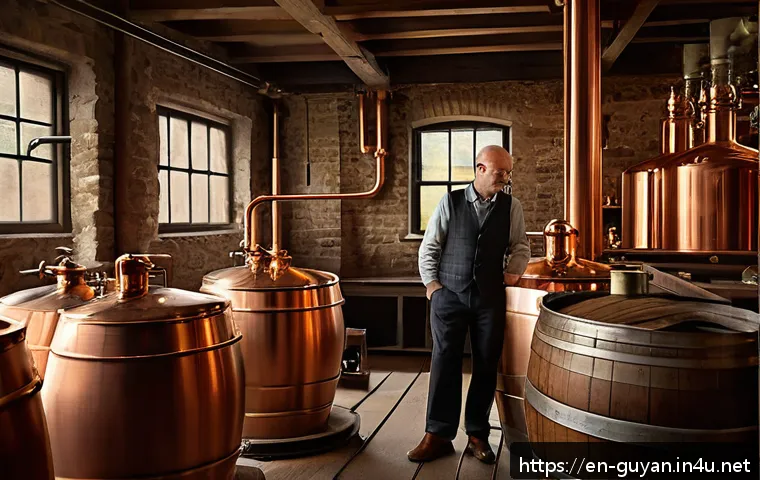
What truly defines this spirit’s bold profile is the use of traditional copper pot stills, an age-old technique that demands patience and precision. Unlike continuous column stills that prioritize efficiency, pot stills allow for a slower, more nuanced extraction of flavors.
I’ve witnessed how master distillers monitor the temperature and cut points meticulously, capturing the heart of the distillate while leaving behind harsh impurities.
This hands-on approach breathes life into the spirit, giving it a rich texture and a complex bouquet that’s impossible to replicate in industrial settings.
Aging in Unique Casks for Depth and Warmth
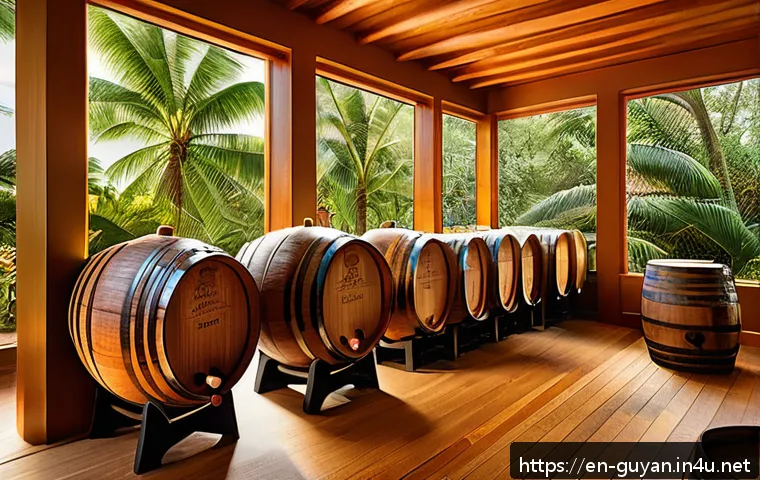
The maturation process is where the spirit truly finds its soul. Aged in locally sourced oak barrels, often previously used for bourbon or sherry, the rum slowly absorbs layers of vanilla, caramel, and spice.
The tropical climate accelerates this aging, but the master blenders know how to balance speed with patience. Tasting the rum after years of aging reveals a harmony of flavors—smooth yet intense, sweet yet smoky—that tells the story of time and tradition entwined.
Distinctive Tasting Notes That Capture Attention
A Symphony of Flavors on the Palate
When you first sip this rum, you’re greeted by a burst of rich molasses sweetness, quickly followed by notes of toasted oak, dark chocolate, and hints of tropical fruits like banana and pineapple.
It’s a dynamic experience where the initial warmth gives way to a lingering, spicy finish. I’ve shared this rum with friends who usually shy away from strong spirits, and they were surprised by how approachable yet complex it is.
This balance is what makes it a favorite for both sipping neat and crafting cocktails.
The Role of Terroir in Flavor Development
Just like fine wines, the concept of terroir plays a crucial role here. The unique soil composition, humidity, and climate of the region imbue the sugarcane with distinctive characteristics that are impossible to replicate elsewhere.
This natural fingerprint is preserved through the careful handling and traditional methods used throughout production. The result is a spirit that not only tastes exceptional but also carries a sense of place, making every bottle a miniature journey to its origin.
Comparing Demerara Rum with Other World Rums
While many rums share similar base ingredients, the combination of raw sugarcane juice, pot still distillation, and tropical aging creates a flavor profile that stands apart.
Compared to lighter Caribbean rums, this one offers a deeper, more robust character. Versus spiced or flavored rums, it maintains purity and complexity without relying on additives.
This distinctiveness makes it a prized option for enthusiasts who crave authenticity and depth.
Heritage and Culture Behind the Craft
Generations of Expertise Passed Down
The knowledge behind this spirit is not something you can learn overnight. It’s a legacy passed down through generations of families dedicated to their craft.
I had the chance to talk with some of the artisans who shared stories of their ancestors, who first began distilling in small, humble stills. Their pride and respect for tradition shine through their work, reminding me that every bottle carries a piece of history and human passion.
Community and Economy in Harmony
This rum isn’t just a product; it’s a vital part of the local economy and community identity. The distilleries often support local farmers, creating a sustainable cycle that benefits everyone involved.
When you buy a bottle, you’re indirectly contributing to preserving this way of life. It’s inspiring to see how tradition and modern business practices intertwine to keep this heritage alive while offering consumers something truly special.
Festivals and Rituals Celebrating the Spirit
In the region, this rum is more than a drink—it’s a symbol of celebration and unity. Annual festivals dedicated to the spirit bring together locals and visitors alike, featuring tastings, music, and cultural performances.
I’ve experienced firsthand the warmth and camaraderie during these events, where the rum serves as a bridge between past and present, tradition and innovation.
Innovations Blending Tradition and Modernity
Experimenting with Barrel Types and Blends
While deeply rooted in tradition, some distilleries have embraced innovation by experimenting with different types of barrels, such as wine or rum casks, to introduce new flavor dimensions.
I tried a limited edition aged in French oak barrels, and the subtle hints of dried fruit and spice added a fascinating twist to the familiar profile.
These innovations show a willingness to evolve without losing the essence that makes this rum unique.
Modern Techniques Enhancing Quality
Advances in quality control and fermentation science have allowed producers to refine their craft further. For example, precise yeast strain selection and controlled fermentation temperatures help highlight desirable flavor compounds.
I’ve noticed how these improvements lead to a cleaner, more consistent product, which is a win-win for both makers and drinkers who appreciate quality.
Collaborations and New Markets
Partnerships between traditional distilleries and international brands have introduced this spirit to a global audience. These collaborations often result in special editions that showcase the rum’s versatility and appeal.
It’s exciting to see how this once-hidden gem is gaining recognition worldwide, bridging cultures through a shared love of craftsmanship.
How to Enjoy This Spirit to Its Fullest
Perfect Pairings with Food
This rum’s complex flavor profile makes it an excellent companion to a variety of dishes. Rich desserts like dark chocolate cake or caramel flan highlight its sweetness, while spicy cuisines such as Caribbean jerk chicken or Indian curry complement its warmth and spice notes.
I’ve hosted dinners where pairing this rum with food elevated the entire experience, turning a simple meal into a celebration of flavors.
Classic and Creative Cocktail Recipes
While it’s fantastic neat or on the rocks, this spirit also shines in cocktails. Traditional recipes like the Old Fashioned gain new depth when made with this rum, thanks to its rich character.
For those who like to experiment, mixing it with fresh citrus juices, ginger beer, or aromatic bitters can create refreshing, layered drinks that impress guests every time.
Storage Tips to Preserve Quality
To keep your bottle tasting its best, store it in a cool, dark place away from direct sunlight. Unlike whiskey, rum can be sensitive to temperature fluctuations, which might alter its delicate flavors.
I learned this the hard way after leaving a bottle near a window—it lost some of its vibrant character. Proper storage ensures that every pour delivers the full experience intended by the master distillers.
Understanding the Market and Investment Potential
Collectibility and Limited Editions
The growing appreciation for artisanal spirits has sparked interest in collecting rare and limited-edition bottles. Some distilleries release annual batches with unique aging processes or collaborations that quickly become sought-after by collectors.
I’ve noticed that these bottles often appreciate in value, making them not only enjoyable to drink but also smart investments for enthusiasts.
Price Range and Accessibility
Despite its premium quality, this rum offers a range of options to fit different budgets. Entry-level bottles provide a taste of the tradition without breaking the bank, while aged and special editions cater to connoisseurs seeking exclusivity.
This balance between accessibility and luxury helps broaden its appeal globally.
Where to Buy and How to Spot Authenticity
Due to increasing demand, counterfeit products have surfaced in some markets. It’s crucial to purchase from reputable retailers or directly from distilleries when possible.
I recommend checking for official seals, batch numbers, and trusted reviews before buying. Authentic bottles carry certification and often feature detailed labeling that tells the story of their origin and production.
| Aspect | Details | Impact on Flavor |
|---|---|---|
| Raw Material | Fresh sugarcane juice | Natural sweetness and complexity |
| Distillation | Copper pot stills, batch process | Rich, bold, and nuanced profile |
| Aging | Oak barrels, tropical climate | Vanilla, caramel, spice notes with smooth finish |
| Terroir | Unique soil and climate of region | Distinctive earthy and fruity nuances |
| Craftsmanship | Generational expertise and traditional methods | Consistency, heritage, and authenticity |
Conclusion
Crafting this rum is truly an art that blends nature, tradition, and innovation into every bottle. From the careful selection of sugarcane to the patient aging process, each step adds layers of flavor and character. Experiencing this spirit offers a unique journey through heritage and craftsmanship that’s both rich and rewarding. Whether you’re a casual sipper or a seasoned enthusiast, this rum invites you to savor its story with every sip.
Useful Information to Know
1. Always choose rum made from fresh sugarcane juice for the richest natural sweetness and complexity.
2. Traditional copper pot still distillation enhances bold flavors that modern methods can’t replicate.
3. Aging in oak barrels under tropical conditions creates smooth notes of vanilla, caramel, and spice.
4. Proper storage away from heat and light preserves the rum’s vibrant character over time.
5. To avoid counterfeit bottles, buy from reputable sellers and check for official seals and batch details.
Key Takeaways
The essence of this rum lies in the harmony between raw ingredients, traditional craftsmanship, and thoughtful aging. Its distinctive flavor profile reflects the unique terroir and the dedication of generations of artisans. By understanding these core elements, you can better appreciate the spirit’s depth and authenticity. Remember, enjoying this rum responsibly and with the right pairings will elevate your tasting experience to new heights.
Frequently Asked Questions (FAQ) 📖
Q: uestions about Demerara RumQ1: What makes Demerara rum different from other rums?
A: Demerara rum stands out because of its unique production process and the use of Demerara sugarcane, which is grown in Guyana’s fertile region. The rum is typically distilled in traditional wooden pot stills, giving it a richer, fuller flavor with deep molasses notes and hints of caramel and spice.
Unlike mass-produced rums, Demerara maintains a handcrafted approach that preserves its bold character and complexity, making it a favorite among rum aficionados who appreciate authenticity and heritage.
Q: How is the craftsmanship behind Demerara rum preserved today?
A: The craftsmanship is preserved through generations of master distillers who adhere to age-old methods while incorporating modern quality controls. Many distilleries in Guyana still use wooden fermenters and pot stills, techniques that are rare elsewhere in the world.
This hands-on approach ensures each batch carries the distinct personality of the region and the skill of the artisans involved. From harvesting the cane to aging the rum in oak barrels, every step reflects a dedication to tradition and quality, which I’ve found adds a soulful depth to every sip.
Q: Can Demerara rum be used in cocktails, or is it best enjoyed neat?
A: While Demerara rum’s rich and complex flavor profile makes it excellent for sipping neat or on the rocks, it also shines in cocktails. Its robust molasses and caramel notes add depth to classics like the Dark ‘n’ Stormy or Mai Tai.
Personally, I love using it in tiki-inspired drinks because it balances sweetness and spice so well, elevating the overall experience. Whether you’re a casual drinker or a cocktail enthusiast, Demerara rum offers versatility that enhances any drink with a touch of authentic Caribbean flair.