Exploring the Presence and Influence of Islam in Guyana’s Diverse Cultural Landscape

webmaster

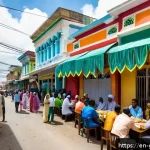
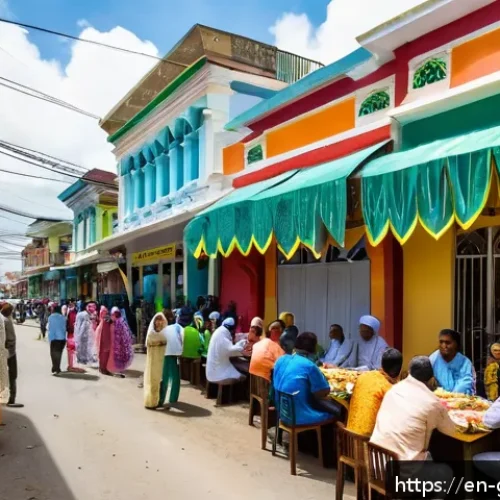
가이아나와 이슬람교 - A vibrant urban street scene in Georgetown, Guyana, showcasing a diverse Muslim community during Eid...

In recent years, Guyana’s rich cultural tapestry has been gaining international attention, highlighting its unique blend of traditions and beliefs. Among these, the presence of Islam plays a fascinating role, weaving spiritual and social threads through the nation’s diverse communities.

가이아나와 이슬람교 관련 이미지 1

As global conversations around cultural identity and religious coexistence grow louder, understanding Islam’s influence in Guyana offers fresh insights into harmony and diversity.

Whether you’re curious about faith, culture, or history, this exploration uncovers how Islam shapes everyday life and enriches the country’s vibrant mosaic.

Join me as we delve into this intriguing journey that connects the past with today’s dynamic Guyanese society.

Historical Roots and Migration Patterns

Tracing the Arrival of Early Muslim Settlers

The story of Islam’s presence in this South American nation begins with the arrival of indentured laborers from South Asia during the 19th century. After the abolition of slavery, plantation owners sought workers from the Indian subcontinent, many of whom were Muslim.

These early settlers brought with them their rich religious traditions, customs, and cultural practices. What’s fascinating is how these communities managed to preserve their faith despite the challenges of displacement and adapting to a new environment.

Their resilience laid the groundwork for Islam’s enduring presence in the country’s social fabric.

The Evolution of Muslim Communities Over Generations

As decades passed, Muslim families in this nation didn’t just survive—they flourished, blending traditional values with the realities of their new home.

Interactions with other ethnic groups and religions led to a unique cultural synthesis. Notably, the younger generations started to reinterpret Islamic practices, balancing ancestral customs with contemporary life.

This dynamic evolution reflects a broader narrative of identity, where faith serves as both a link to heritage and a bridge to modern society. Observing this shift reveals much about how religious communities adapt without losing their core essence.

Impact of Global Connections on Local Faith

In recent years, globalization and increased communication have connected local believers with the broader Muslim world. Access to international religious resources, educational materials, and global Islamic events has enriched local understanding and practice.

This interconnectedness also influences how Islamic festivals, education, and community activities are organized. The digital age has empowered many to explore their faith more deeply, fostering a renewed sense of pride and belonging among adherents while contributing to the nation’s diverse religious landscape.

Advertisement

Community Life and Social Contributions

Role of Religious Institutions in Everyday Life

Mosques and Islamic centers are much more than places of worship; they serve as vital hubs for education, social support, and cultural preservation. Many locals recount how these institutions have been pillars during difficult times, providing not just spiritual guidance but also practical assistance, such as food drives and youth programs.

From my conversations with community members, it’s clear that these centers nurture a strong sense of belonging and identity. They also facilitate interfaith dialogues, helping to foster mutual respect and understanding across different groups.

Educational Initiatives and Youth Engagement

There’s been a significant push towards education within Muslim communities, emphasizing both religious teachings and secular knowledge. Schools and weekend classes teach Arabic, Quranic studies, and Islamic history alongside standard curricula.

What stood out to me was the enthusiasm of young people who balance faith with modern aspirations—many pursue higher education and professional careers while maintaining active roles in their communities.

This dual focus on education and spirituality helps to cultivate well-rounded individuals who contribute positively to the broader society.

Philanthropy and Social Welfare Programs

Charitable giving, or zakat, is a core principle that manifests vividly in local initiatives. Muslim organizations regularly organize charitable events, especially during Ramadan, to support vulnerable populations regardless of religious background.

These efforts include healthcare camps, food distribution, and disaster relief. Witnessing these acts of kindness firsthand highlights how faith motivates tangible contributions to societal welfare, reinforcing the interconnectedness of compassion and community solidarity.

Advertisement

Cultural Expressions and Festivities

Celebrating Religious Holidays with a Local Flavor

Islamic holidays here are celebrated with unique local customs that blend traditional South Asian practices with Caribbean influences. For example, Eid festivals often feature a vibrant mix of food, music, and communal prayers that reflect the cultural fusion inherent in the population.

Attending one such celebration revealed a joyous atmosphere, where families and neighbors, regardless of background, come together in a shared spirit of festivity.

These occasions also serve as opportunities to educate others about Islamic beliefs and customs in an inclusive environment.

Traditional Attire and Culinary Heritage

The attire worn during religious occasions often carries symbolic meaning, showcasing intricate designs and vibrant colors that pay homage to ancestral roots.

Similarly, the cuisine during celebrations is a delicious testament to cultural blending, featuring dishes that combine spices and ingredients from South Asia with local produce.

Sampling these meals, I realized how food acts as a cultural storyteller, preserving history while inviting new interpretations. This culinary heritage continues to evolve, reflecting the community’s creativity and adaptability.

Artistic and Literary Contributions

Beyond festivals, Muslim communities contribute to the nation’s cultural tapestry through poetry, storytelling, and visual arts. These creative expressions often explore themes of faith, identity, and resilience.

Local artists and writers use their platforms to share narratives that highlight the community’s experiences, fostering greater awareness and appreciation among wider audiences.

Engaging with these works provides a deeper understanding of how spirituality informs artistic endeavors and cultural identity in a complex, multicultural setting.

Advertisement

Interfaith Relations and Social Harmony

Building Bridges Through Dialogue and Cooperation

가이아나와 이슬람교 관련 이미지 2

In a society marked by ethnic and religious diversity, interfaith initiatives have played a crucial role in promoting peaceful coexistence. Muslim leaders frequently participate in forums and community projects alongside other faith representatives, emphasizing shared values like compassion and justice.

From what I’ve observed, these collaborations have helped reduce misunderstandings and build trust, creating a foundation for lasting harmony. The willingness to engage openly across differences is a powerful example of how faith communities can contribute to social cohesion.

Shared Celebrations and Mutual Respect

It’s heartening to see how different religious groups often join in each other’s celebrations, fostering a spirit of inclusivity. For instance, during festivals like Diwali or Christmas, Muslim neighbors may attend events or offer greetings, and vice versa during Islamic holidays.

These gestures, though simple, carry profound meaning in strengthening community bonds. Personal stories from locals reveal that such interactions enrich their social lives and deepen their appreciation for the country’s pluralistic identity.

Challenges and Opportunities in Diversity

While overall relations are positive, there remain occasional tensions stemming from misunderstandings or socio-economic disparities. However, community leaders are proactive in addressing these challenges through education and dialogue.

The ongoing efforts to promote inclusiveness reflect a shared commitment to building a society where diversity is celebrated rather than feared. Witnessing these initiatives firsthand, I’ve come to appreciate how resilience and openness are vital ingredients for nurturing peaceful multicultural coexistence.

Advertisement

Language, Identity, and Religious Practice

The Role of Language in Preserving Faith

Language serves as a powerful tool for maintaining religious identity, especially for communities with immigrant roots. Many Muslims here continue to use languages like Urdu, Hindi, or Arabic in religious contexts, while also embracing English in daily life.

This bilingual or multilingual approach enriches their cultural experience and facilitates intergenerational transmission of faith. From my interactions, it’s clear that language not only preserves tradition but also helps individuals navigate their dual identities in a multicultural society.

Adaptations in Worship and Rituals

Over time, some Islamic practices have been adapted to better fit local circumstances. For example, prayer gatherings may incorporate local music styles, and community events often reflect the rhythms of national holidays.

These adaptations don’t dilute religious significance but rather demonstrate the community’s creativity in making faith relevant and accessible. Observing these nuanced changes offers valuable insights into how religion can evolve while maintaining its core spiritual essence.

Balancing Tradition with Modernity

Younger generations often face the challenge of honoring ancestral customs while embracing modern values and lifestyles. This balancing act is evident in choices related to dress, education, and social engagement.

Many express pride in their heritage while actively participating in contemporary cultural and professional spheres. Their experiences highlight a dynamic negotiation of identity that enriches the broader narrative of faith in a modern, pluralistic world.

Advertisement

Demographics and Distribution Across Regions

Population Concentrations and Urban Presence

Muslim communities are primarily concentrated in certain urban centers and rural areas with historical ties to immigration patterns. Cities often have vibrant neighborhoods where mosques and cultural centers serve as focal points.

These areas are hubs of social activity and religious observance, reflecting the community’s vibrancy and cohesion. Exploring these neighborhoods reveals a rich mosaic of cultural landmarks, businesses, and community services that contribute to the city’s diversity.

Rural Communities and Their Distinct Characteristics

In rural regions, Muslim populations tend to maintain close-knit social structures, with family and religious gatherings playing central roles. The slower pace of life allows for the preservation of traditional practices and stronger intergenerational connections.

However, these communities also face unique challenges related to access to education and healthcare, prompting targeted outreach programs. Understanding these dynamics sheds light on the varied experiences of Muslim populations across different geographical settings.

Statistical Overview of Religious Affiliations

The following table summarizes key demographic information related to religious affiliations, highlighting the Muslim population’s size and distribution relative to other groups.

Religious Group Estimated Population (%) Main Regions of Residence Notable Characteristics
Muslim 7% Urban centers like Georgetown, rural coastal areas Strong community networks, emphasis on education
Christian 57% Throughout the country, especially urban and hinterland Varied denominations, significant cultural influence
Hindu 28% Primarily rural and agricultural regions Rich festival traditions, large temple presence
Other/Traditional 8% Mixed, including indigenous populations Blend of indigenous and Afro-Caribbean beliefs
Advertisement

In Conclusion

The rich history and vibrant presence of Muslim communities in this nation highlight their resilience and adaptability. Through generations, they have maintained their faith while embracing cultural diversity and modern life. Their contributions to social harmony, education, and philanthropy enrich the broader society. Understanding their journey offers valuable insights into the dynamic nature of identity and belief in a multicultural world.

Advertisement

Useful Information to Know

1. The Muslim population here primarily descends from 19th-century South Asian indentured laborers, preserving unique cultural and religious traditions.
2. Local Islamic institutions serve as important community centers, offering education, social support, and fostering interfaith dialogue.
3. Youth engagement balances religious teachings with secular education, helping to nurture well-rounded future leaders.
4. Celebrations like Eid blend South Asian customs with local influences, promoting inclusivity and cultural exchange.
5. Interfaith cooperation is key to social harmony, with ongoing efforts to address challenges and celebrate diversity.

Advertisement

Key Takeaways

Muslim communities have successfully integrated their faith within a multicultural society by embracing both tradition and modernity. Their active participation in education, philanthropy, and interfaith initiatives strengthens social bonds and fosters mutual respect. Adapting religious practices to local contexts demonstrates flexibility without compromising spiritual values. Recognizing these dynamics is essential for appreciating the complex interplay of identity, culture, and belief in a diverse nation.

Frequently Asked Questions (FAQ) 📖

Q: How did Islam first arrive in Guyana, and what is its historical significance?

A: Islam was introduced to Guyana primarily through indentured laborers from South Asia during the 19th and early 20th centuries. These immigrants brought their religious practices, which gradually took root alongside other faiths.
Historically, this marked a significant cultural infusion that contributed to Guyana’s rich diversity. Over time, Islamic communities established mosques and schools, preserving their heritage while integrating into the broader Guyanese society.
This blend has helped shape a unique religious landscape, reflecting both resilience and adaptation.

Q: What role does Islam play in the everyday social and cultural life of Guyanese Muslims?

A: Islam deeply influences both the spiritual and social dimensions of life for many Guyanese Muslims. Beyond religious rituals like prayer and fasting during Ramadan, Islamic teachings guide community values such as charity, family cohesion, and respect for others.
Festivals like Eid are vibrant occasions that bring families and neighbors together, fostering social bonds across different ethnic groups. In my experience, these celebrations are not only religious but also cultural events that highlight unity and mutual respect within Guyana’s multicultural fabric.

Q: How does Islam contribute to religious harmony and cultural diversity in Guyana today?

A: Islam contributes significantly to Guyana’s reputation for peaceful coexistence among various religious groups. The Muslim community actively participates in interfaith dialogues and community service, promoting understanding and collaboration.
From what I’ve observed, this engagement helps break down stereotypes and build bridges between different faiths. The inclusive nature of Islamic practice in Guyana encourages respect for diversity, making it an integral part of the country’s ongoing story of unity amidst diversity.

📚 References


➤ Link

– Google Search

➤ Link

– Bing Search

➤ Link

– Google Search

➤ Link

– Bing Search

➤ Link

– Google Search

➤ Link

– Bing Search

➤ Link

– Google Search

➤ Link

– Bing Search

➤ Link

– Google Search

➤ Link

– Bing Search

➤ Link

– Google Search

➤ Link

– Bing Search

➤ Link

– Google Search

➤ Link

– Bing Search
Advertisement