5 Innovative Ways Guyana’s Community Projects Are Transforming Local Lives

webmaster

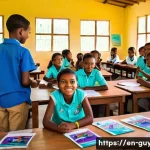
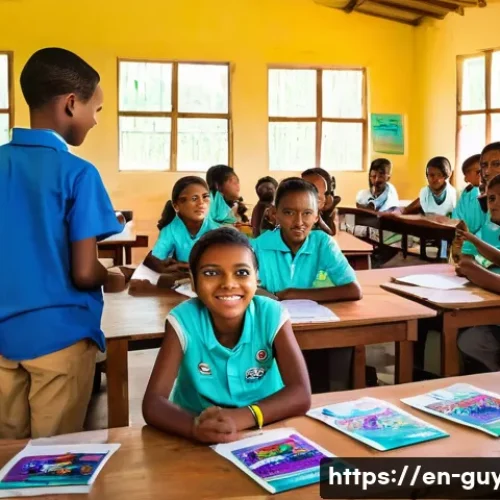
가이아나의 지역 사회 프로젝트 - A vibrant community learning center in a rural Guyanese village, featuring children wearing modest c...

Community-driven initiatives in Guyana are transforming local landscapes by addressing critical issues like education, environmental conservation, and economic development.

가이아나의 지역 사회 프로젝트 관련 이미지 1

These projects often blend traditional knowledge with innovative approaches, empowering residents to take charge of their future. From reforestation efforts to youth empowerment programs, the impact is both inspiring and tangible.

Exploring how these grassroots movements shape the nation reveals a deeper understanding of resilience and collaboration. Let’s dive into the details and uncover what makes Guyana’s community projects truly remarkable!

Revitalizing Education Through Community Collaboration

Innovative Learning Spaces

Many villages in Guyana have transformed unused buildings into vibrant learning centers. These spaces offer more than just traditional classroom setups; they incorporate technology, arts, and hands-on workshops that engage students beyond textbooks.

I’ve visited a community center in Lethem where kids eagerly participate in robotics clubs and environmental science projects. The enthusiasm among these young learners is contagious, proving that when education adapts to local interests and resources, engagement skyrockets.

Mentorship and Skill-Building Programs

What really stands out in Guyana’s educational initiatives is the emphasis on mentorship. Local professionals volunteer their time to guide youth, sharing both technical skills and life lessons.

I spoke with a mentor in Georgetown who runs weekend coding sessions for teenagers. This personal touch creates a support system that many students lack in formal schooling, helping them envision careers beyond their immediate surroundings.

Blending Tradition and Modernity

One of the more fascinating aspects is how communities blend indigenous knowledge with modern education. In rural areas, elders collaborate with teachers to incorporate traditional storytelling, farming techniques, and cultural history into the curriculum.

This fusion not only preserves heritage but also fosters pride and identity among younger generations, making education feel relevant and empowering.

Advertisement

Environmental Stewardship Rooted in Local Wisdom

Community-Led Reforestation Efforts

Across Guyana, reforestation projects are blossoming thanks to grassroots participation. Residents collect native seeds and nurture saplings, restoring deforested areas with remarkable care.

I’ve witnessed first-hand how villagers organize planting days, turning them into social events with music and food, which strengthens communal bonds while healing the land.

This approach ensures sustainability because it’s driven by local ownership rather than external imposition.

Protecting Biodiversity Through Traditional Practices

Many communities still rely on ancestral knowledge to protect wildlife habitats and manage resources sustainably. For example, some Amerindian groups use rotational farming and controlled hunting techniques that maintain ecological balance.

These practices, passed down for generations, are now being recognized as vital components of Guyana’s broader environmental policies, blending ancient wisdom with scientific research.

Waste Management and Clean-Up Campaigns

In urban centers like Georgetown, grassroots groups have launched effective waste reduction programs. Residents organize neighborhood clean-ups and promote recycling, often supported by local businesses.

I was impressed by a youth-led initiative that turned plastic waste into art installations, raising awareness while creating a sense of pride and responsibility.

Advertisement

Empowering Youth Through Economic Opportunity

Entrepreneurship Training and Microfinance

Youth empowerment in Guyana often involves practical economic skills. Community projects offer workshops on entrepreneurship, financial literacy, and digital marketing, preparing young people to start their own ventures.

Some programs also provide microloans, enabling participants to launch small businesses like food stalls or craft shops. I met a young woman who started a successful organic soap business after attending one such program, illustrating the tangible impact of these efforts.

Linking Traditional Crafts to Global Markets

Another exciting trend is the connection between local artisans and international buyers. Through fair-trade cooperatives and online platforms, traditional crafts such as basket weaving and pottery find new audiences worldwide.

This not only boosts income but also helps preserve cultural heritage. I’ve seen artisans who proudly explain the stories behind their creations, deepening buyers’ appreciation and creating lasting economic relationships.

Skills Development for Emerging Industries

With Guyana’s growing oil and gas sector, communities are adapting by offering training in relevant technical fields. Vocational centers focus on welding, machinery maintenance, and environmental monitoring to prepare locals for new job opportunities.

I found it encouraging that these programs emphasize inclusivity, making sure women and marginalized groups can participate and benefit equally.

Advertisement

Strengthening Social Fabric Through Inclusive Leadership

Community Councils and Participatory Governance

Many Guyanese communities have formed councils that actively involve residents in decision-making. These bodies prioritize transparency and inclusiveness, ensuring diverse voices are heard.

I attended a meeting where elders, youth, and women collaborated to plan infrastructure improvements. Such participatory governance fosters trust and accountability, critical for sustainable development.

Conflict Resolution and Peacebuilding Initiatives

In areas prone to social tensions, community-led peacebuilding programs use dialogue and mediation to resolve conflicts. Facilitators are often respected local figures who understand the cultural context deeply.

I observed a session where neighbors discussed land disputes openly, guided by trained mediators. This approach reduces violence and builds long-term harmony by focusing on shared interests rather than differences.

Promoting Gender Equality and Women’s Leadership

Several initiatives specifically aim to elevate women’s roles in community leadership. Workshops address gender biases and provide leadership training, empowering women to take on influential positions.

I met women leaders who have transformed local policies on education and health, showing how gender-inclusive governance can accelerate community progress.

Advertisement

Health and Wellbeing Initiatives Driven by Local Insights

Traditional Healing Practices Integrated with Modern Medicine

In many parts of Guyana, traditional healers work alongside clinics to provide holistic care. Communities respect the wisdom of herbal remedies and spiritual practices, which complement modern treatments.

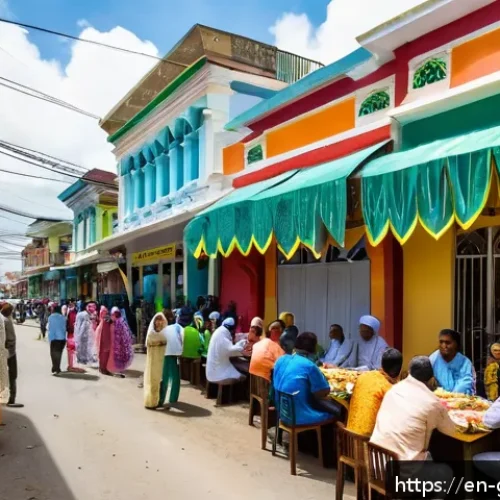
가이아나의 지역 사회 프로젝트 관련 이미지 2

I visited a health center where doctors collaborate with local healers, creating a supportive environment that respects cultural values while ensuring medical effectiveness.

Nutrition and Food Security Programs

Addressing malnutrition is a priority in several community projects. Residents cultivate home gardens with nutrient-rich crops and receive training on balanced diets.

I saw families who have improved their health significantly by adopting these practices, which are both affordable and culturally appropriate.

Mental Health Awareness and Support Networks

Mental health is gaining attention through grassroots campaigns that reduce stigma and promote counseling services. Community volunteers organize support groups and educational sessions.

I encountered a young volunteer who shared how her outreach helped peers overcome anxiety and depression, highlighting the power of community empathy.

Advertisement

Harnessing Technology to Bridge Gaps

Expanding Internet Access in Remote Areas

One of the biggest challenges in Guyana has been connectivity. Community initiatives have tackled this by installing solar-powered Wi-Fi hubs in remote villages.

These hubs not only provide internet access but also serve as learning centers and communication points. I was amazed at how these simple innovations open doors to information, education, and business opportunities that were previously out of reach.

Digital Literacy Workshops

Teaching digital skills is key to maximizing technology’s benefits. Local groups organize workshops on computer basics, online safety, and social media use.

I took part in one session where participants, ranging from teenagers to seniors, learned how to access government services online and promote their small businesses effectively.

Developing Community Apps and Platforms

Some communities have taken the initiative to develop apps tailored to their needs, such as local market updates, event announcements, and emergency alerts.

These platforms strengthen communication and foster a sense of unity. I was impressed by a youth-led tech project that created a neighborhood safety app, which has since become an essential tool for residents.

Project Type Key Activities Community Impact Notable Example
Education Learning centers, mentorship, cultural curriculum Increased engagement, skill development, cultural pride Robotics club in Lethem
Environmental Conservation Reforestation, traditional land management, waste campaigns Restored ecosystems, sustainable resource use, cleaner communities Planting days with music and food
Youth Economic Empowerment Entrepreneurship training, microfinance, craft marketing Job creation, preserved heritage, expanded markets Organic soap business startup
Social Leadership Participatory councils, peacebuilding, gender workshops Inclusive governance, conflict reduction, women leaders Community council meetings in Georgetown
Health & Wellbeing Traditional-modern healthcare, nutrition, mental health support Holistic care, improved nutrition, reduced stigma Clinic collaboration with traditional healers
Technology Access Wi-Fi hubs, digital literacy, community apps Connectivity, skills growth, enhanced communication Solar-powered internet hubs in remote villages
Advertisement

Building Resilience Through Cultural Celebration

Festivals as Platforms for Unity

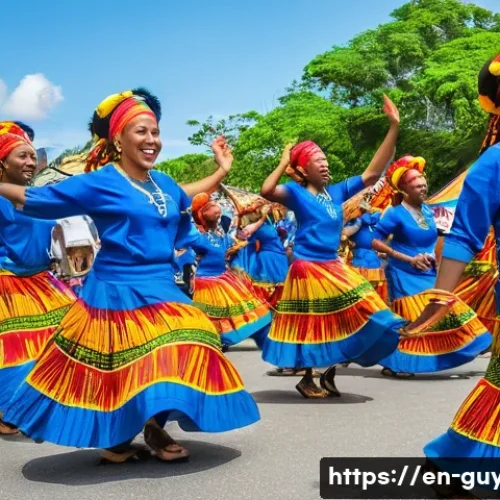
Cultural festivals in Guyana serve as more than just entertainment; they are vital expressions of identity and resilience. Communities organize events featuring traditional music, dance, and food, which draw participation across generations.

I attended a festival in Region 9 where the atmosphere was electric — people from diverse backgrounds celebrated together, reinforcing social ties and collective pride.

Art and Storytelling as Tools for Healing

Art projects and storytelling circles have become powerful tools for addressing trauma and fostering hope. Local artists collaborate with community members to create murals and performances that reflect shared experiences and aspirations.

I was moved by a storytelling workshop where elders and youth exchanged narratives, bridging generational gaps and strengthening emotional wellbeing.

Preserving Languages and Oral Traditions

Efforts to document and teach indigenous languages are gaining momentum. Language classes, audio recordings, and cultural camps help keep these traditions alive.

Having observed one such camp, I can say it’s inspiring to see young people embrace their linguistic heritage with enthusiasm, ensuring these unique voices continue to enrich Guyana’s cultural mosaic.

Advertisement

In Closing

Guyana’s community-driven initiatives showcase the incredible power of local collaboration in transforming education, environment, economy, and culture. These efforts not only address immediate needs but also build long-lasting resilience and pride. Witnessing these projects firsthand reveals how blending tradition with innovation creates a brighter, more inclusive future for all. It’s inspiring to see communities taking ownership and shaping their own paths forward.

Advertisement

Useful Insights to Remember

1. Community learning centers that integrate technology and local culture boost student engagement and practical skills development.

2. Mentorship programs led by local professionals provide invaluable guidance and open doors to new career possibilities for youth.

3. Environmental conservation thrives when traditional knowledge and community participation are prioritized, ensuring sustainability.

4. Economic empowerment through entrepreneurship training and market access helps preserve heritage while creating new opportunities.

5. Inclusive leadership and participatory governance foster trust, reduce conflicts, and promote gender equality in communities.

Advertisement

Key Takeaways

To build resilient and thriving communities, it’s essential to combine local wisdom with modern approaches across education, environment, and economy. Empowering youth through skills and mentorship, supporting inclusive leadership, and embracing cultural identity all contribute to sustainable progress. Technology access and health initiatives rooted in community values further strengthen this foundation, creating a holistic model for development that others can learn from and adapt.

Frequently Asked Questions (FAQ) 📖

Q: How do community-driven initiatives in Guyana incorporate traditional knowledge with modern approaches?

A: Many grassroots projects in Guyana seamlessly blend the wisdom passed down through generations with innovative strategies. For example, reforestation efforts often use indigenous planting techniques alongside scientific methods to restore ecosystems effectively.
This fusion ensures that solutions are culturally relevant while benefiting from the latest environmental research, empowering locals to protect their heritage and environment simultaneously.

Q: What impact do youth empowerment programs have on Guyana’s communities?

A: Youth empowerment programs in Guyana play a crucial role in shaping future leaders and fostering economic growth. From skills training to leadership workshops, these initiatives provide young people with tools to pursue education and entrepreneurship.
Personally, I’ve seen participants gain confidence and create small businesses or community projects that address local needs, proving that investing in youth is key to long-term resilience and prosperity.

Q: In what ways do environmental conservation projects benefit both the community and the nation?

A: Environmental conservation projects in Guyana offer a win-win scenario by protecting natural resources while enhancing community livelihoods. Initiatives like sustainable farming and reforestation not only preserve biodiversity but also create job opportunities and improve food security.
Based on firsthand accounts, communities involved report a stronger connection to their land and a sense of pride, which drives ongoing collaboration and national progress.

📚 References


➤ Link

– Google Search

➤ Link

– Bing Search

➤ Link

– Google Search

➤ Link

– Bing Search

➤ Link

– Google Search

➤ Link

– Bing Search

➤ Link

– Google Search

➤ Link

– Bing Search

➤ Link

– Google Search

➤ Link

– Bing Search

➤ Link

– Google Search

➤ Link

– Bing Search

➤ Link

– Google Search

➤ Link

– Bing Search

➤ Link

– Google Search

➤ Link

– Bing Search