Exploring 7 Fascinating Traditions Behind Guyana’s Unique Folk Dances

webmaster

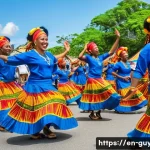
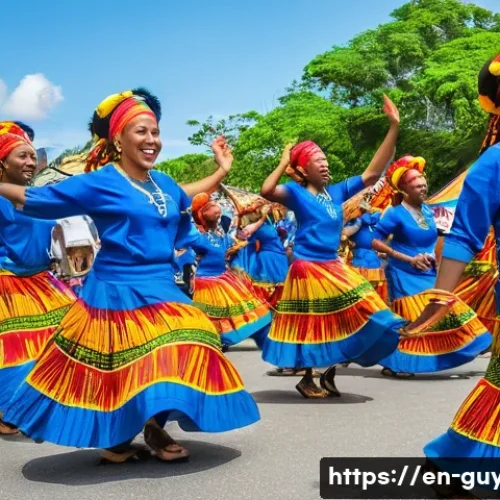
가이아나 민속춤 - A vibrant outdoor scene of Guyanese folk dancers performing an energetic African-derived dance durin...

Guyana’s folk dances offer a vibrant window into the country’s rich cultural tapestry, blending African, Indian, and indigenous influences. These traditional dances are more than just movements; they tell stories of heritage, celebration, and community spirit.

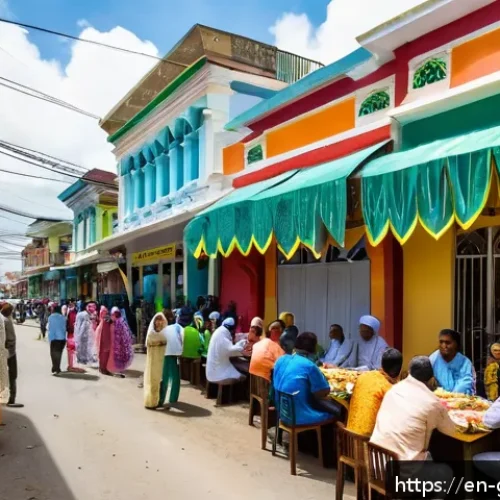
가이아나 민속춤 관련 이미지 1

Experiencing these rhythms firsthand reveals a unique blend of energy and history that continues to thrive in modern Guyanese society. If you’re curious about how these dances reflect the nation’s identity and evolution, you’re in the right place.

Let’s dive deeper and explore the fascinating world of Guyana’s folk dance traditions in detail!

The Vibrant Fusion of Cultural Rhythms

African Roots and Their Lasting Impact

The African influence on Guyana’s folk dances is profound, reflecting centuries-old traditions brought over by enslaved Africans. These dances often feature energetic footwork, rhythmic drumming, and call-and-response singing, which create an immersive communal atmosphere.

When I watched a traditional African-derived dance in Guyana, I was struck by how the movements communicated stories of resilience and celebration, connecting dancers and audience in a shared cultural memory.

The emphasis on group participation rather than solo performance highlights the importance of community in African heritage, which remains alive and well in Guyana’s dance culture today.

Indian Dance Traditions in Guyanese Society

The Indian diaspora introduced intricate hand gestures and graceful foot patterns that contrast yet complement the African styles. These dances often celebrate religious festivals or significant life events, such as weddings.

I’ve noticed that during these performances, dancers wear vibrant saris or kurta pajamas, which add to the visual storytelling. The use of instruments like the dholak and harmonium creates a melodic backdrop that enriches the experience, making the dances not just visual but deeply sensory.

Indian folk dances in Guyana are a testament to the endurance of cultural identity, beautifully woven into the country’s multicultural fabric.

Indigenous Influences: The Heartbeat of the Land

Indigenous Guyanese dance traditions bring a spiritual and environmental perspective to the folk dance scene. These dances often mimic animal movements or natural phenomena, reflecting a close relationship with the land.

When attending an indigenous festival, I felt the profound respect for nature embedded in every step and gesture. The use of traditional attire made from natural materials and the incorporation of chants and drums create a powerful connection between the dancers and their ancestors.

These dances serve as living archives, preserving indigenous knowledge and worldview through movement.

Advertisement

Storytelling Through Movement and Costume

Expressing History with Dance

Dance in Guyana isn’t just entertainment; it’s a narrative tool that conveys history, struggles, and triumphs. Each movement can symbolize a chapter of the nation’s past, whether it’s the journey of enslaved Africans, the arrival of indentured Indians, or the enduring spirit of indigenous communities.

In my experience, watching these dances unfold felt like reading a vivid, moving history book. The precision and emotion behind every gesture communicate layers of meaning that words alone could never capture.

The Role of Costume in Cultural Expression

Costumes in Guyanese folk dances are more than decorative; they’re symbols that enhance the storytelling. Bright colors, elaborate beadwork, and traditional fabrics all play a role in distinguishing the dance’s origin and purpose.

For example, African-inspired dances might feature colorful skirts that swirl with every spin, while Indian dances showcase detailed embroidery. I’ve seen how dancers treat their costumes with reverence, understanding that these garments carry ancestral significance, making each performance a tribute to their heritage.

Music and Instruments That Drive the Dance

The music accompanying Guyana’s folk dances is integral, providing the rhythm and mood that guide movement. Traditional instruments like the tassa drums, banjo, and steelpan create dynamic soundscapes that vary with each cultural influence.

From the pulsating beats of African drums to the melodic tunes of Indian harmoniums, the music sets the emotional tone. Having attended several performances, I can attest that the live interplay between musicians and dancers creates an electric atmosphere that invites participation and celebration.

Advertisement

Community and Social Significance of Folk Dances

Celebrations and Festivals as Dance Stages

Folk dances in Guyana often take center stage during community celebrations and festivals such as Mashramani and Diwali. These events transform public spaces into vibrant arenas where culture is proudly showcased.

I’ve observed how these dances bring people together across generations, fostering a sense of belonging and cultural pride. The festive atmosphere, filled with laughter, music, and colorful attire, makes these occasions unforgettable, reinforcing dance as a living, breathing element of community life.

Dance as a Means of Social Bonding

Beyond festivals, folk dances serve as a social glue, helping to strengthen relationships within communities. Participating in dance circles or learning traditional steps from elders provides opportunities for intergenerational exchange and mentorship.

From personal experience, being part of a dance group felt like joining an extended family, where shared practice and performance build trust and mutual respect.

This social function of dance is vital in preserving cultural heritage in a fast-changing world.

Teaching and Passing Down Traditions

Many Guyanese families and cultural organizations actively teach folk dances to younger generations, ensuring these traditions endure. Workshops, school programs, and community centers are common venues where children learn the steps, rhythms, and stories behind each dance.

I’ve seen firsthand how this education nurtures cultural identity and confidence among youth, encouraging them to embrace their roots proudly. The continuity of these practices depends heavily on such dedicated efforts to pass knowledge forward.

Advertisement

Modern Adaptations and Global Influence

Blending Tradition with Contemporary Styles

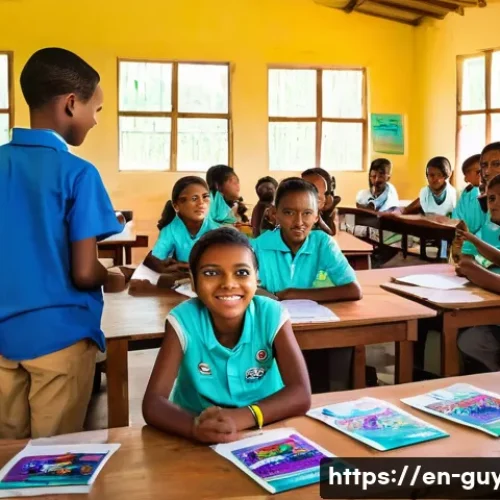
가이아나 민속춤 관련 이미지 2

While rooted in tradition, Guyana’s folk dances have evolved by incorporating contemporary dance elements and music genres. This fusion appeals to younger audiences and international communities, keeping the art form relevant.

I’ve witnessed performances where traditional choreography blends seamlessly with hip-hop or salsa moves, creating an exciting hybrid that respects the past while embracing the present.

These adaptations demonstrate the dynamic nature of culture and its ability to grow without losing authenticity.

International Recognition and Cultural Exchange

Guyana’s folk dances have gained attention on global stages, featured in multicultural festivals and cultural exchange programs. This exposure not only elevates national pride but also invites dialogue between different cultures.

From my observations, dancers who participate internationally often return with new ideas and renewed enthusiasm, enriching local practices. This global interaction highlights how folk dance serves as a bridge connecting diverse peoples through shared human experiences.

Challenges in Preserving Authenticity

Despite its vibrancy, Guyana’s folk dance traditions face challenges such as commercialization and the risk of cultural dilution. Balancing modernization with authenticity requires careful stewardship.

I’ve encountered debates among practitioners about how much innovation is acceptable before the dance loses its essence. Maintaining the integrity of these traditions involves ongoing dialogue, education, and community involvement to ensure that the dances remain true to their roots while adapting to contemporary contexts.

Advertisement

Key Characteristics of Guyana’s Folk Dance Traditions

Aspect Description Example
Rhythmic Foundation Use of traditional drums and percussion instruments creating complex, syncopated beats Tassa drums in Indian dances, African djembe rhythms
Movement Style Combination of energetic footwork, graceful hand gestures, and symbolic body movements Swirling skirts in African dances, mudras in Indian dances
Costume Colorful, culturally significant attire reflecting ethnic origins Bright saris, beadwork skirts, indigenous feather adornments
Purpose Storytelling, community bonding, spiritual expression, and celebration Mashramani festival dances, indigenous ritual dances
Community Role Intergenerational transmission and social cohesion Dance workshops, family gatherings, cultural festivals
Advertisement

The Emotional Connection Behind the Movements

Personal Stories Embedded in Dance

Each folk dance carries emotional weight, often rooted in personal and collective stories. When I spoke with dancers, many shared how performing these dances allowed them to connect with ancestors or express feelings words couldn’t capture.

This emotional authenticity makes the performances deeply moving and relatable, transforming them into living expressions of identity and memory.

Dance as a Celebration of Resilience

Guyana’s folk dances symbolize resilience in the face of historical hardships such as colonization, slavery, and displacement. The endurance of these traditions despite adversity is inspiring.

Watching a dance that originated from resistance movements or celebrations of freedom reminded me of the strength embedded in cultural expression, showing how dance can serve as a form of healing and empowerment.

Creating Joy and Unity Through Movement

At its core, folk dance in Guyana is a joyful communal activity that fosters unity. Whether in a small village or a city festival, the shared experience of dancing together breaks down barriers and creates bonds.

I’ve found that this joy is contagious, inviting even outsiders to join in and feel part of something bigger. The power of dance to unite diverse people is one of its most beautiful qualities.

Advertisement

글을 마치며

Guyana’s folk dances are a vibrant celebration of its rich cultural tapestry, blending African, Indian, and Indigenous traditions. Experiencing these dances reveals not only artistic beauty but also deep stories of resilience, community, and identity. They continue to thrive through both preservation and innovation, connecting generations and cultures alike. Embracing this living heritage offers a unique window into the heart of Guyanese society.

Advertisement

알아두면 쓸모 있는 정보

1. Folk dances in Guyana are often performed during key festivals like Mashramani and Diwali, making these events perfect opportunities to witness authentic cultural expressions.

2. Traditional instruments such as tassa drums, djembe, and harmoniums play a critical role in setting the rhythm and mood of the dances.

3. Costumes are more than just decorative; they carry deep cultural symbolism and are treated with great respect by performers.

4. Many cultural organizations and schools actively teach folk dances to younger generations, ensuring these traditions continue to thrive.

5. Modern adaptations of folk dances incorporate contemporary styles, helping to engage youth while preserving the essence of the original forms.

Advertisement

중요 사항 정리

Guyana’s folk dance traditions serve as powerful vessels of cultural identity, storytelling, and social cohesion. The dances embody a fusion of African, Indian, and Indigenous influences, each contributing unique movements, music, and symbolism. Preservation efforts through education and community involvement are crucial to maintaining authenticity amid modernization pressures. Ultimately, these dances are living expressions of resilience, joy, and unity that continue to enrich Guyana’s vibrant cultural landscape.

Frequently Asked Questions (FAQ) 📖

Q: What are the main cultural influences behind Guyana’s folk dances?

A: Guyana’s folk dances are a rich fusion primarily influenced by African, Indian, and indigenous Amerindian cultures. Each group brought their own unique rhythms, movements, and storytelling traditions that have blended over time.
African dances contribute energetic drumming and expressive body movements, Indian influences introduce graceful hand gestures and intricate footwork, while indigenous elements add symbolic storytelling connected to nature and spirituality.
This combination creates a vibrant and diverse dance tradition that reflects the country’s multicultural heritage.

Q: How do Guyana’s folk dances represent the nation’s identity and history?

A: These dances serve as living history lessons, preserving stories of ancestors, celebrations, and everyday life. They are more than entertainment; they carry deep meaning about community values, struggles, and triumphs.
For example, many dances originated during colonial times as a form of resistance and cultural preservation. Today, they symbolize pride in Guyana’s diverse roots and the resilience of its people.
Experiencing these dances offers insight into how different cultures have come together to shape a unique national identity.

Q: Can visitors participate in or learn Guyana’s folk dances, and where is the best place to experience them?

A: Absolutely! Visitors are often welcomed to join in folk dance workshops, especially during cultural festivals like Mashramani or Indian Arrival Day. Local community centers and cultural groups also offer classes that provide hands-on experience.
The best places to see authentic performances and engage with dancers are in Georgetown during major festivals or in villages where traditions are actively maintained.
Getting involved firsthand not only deepens appreciation but also creates memorable cultural connections.

📚 References


➤ Link

– Google Search

➤ Link

– Bing Search

➤ Link

– Google Search

➤ Link

– Bing Search

➤ Link

– Google Search

➤ Link

– Bing Search

➤ Link

– Google Search

➤ Link

– Bing Search

➤ Link

– Google Search

➤ Link

– Bing Search

➤ Link

– Google Search

➤ Link

– Bing Search

➤ Link

– Google Search

➤ Link

– Bing Search
Advertisement