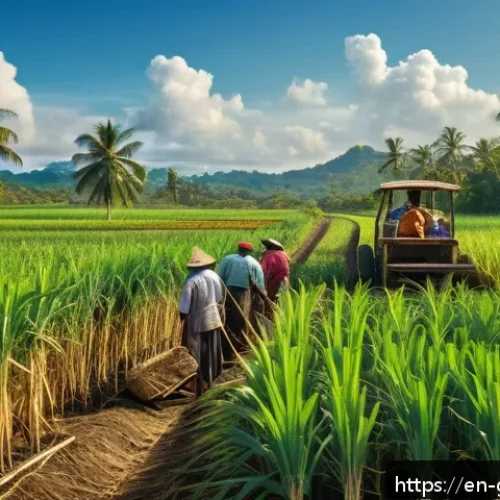
Hey fellow adventurers! Dreaming of Guyana’s untouched rainforests and vibrant culture? You’re not alone!
This South American gem truly offers an unforgettable escape into nature’s embrace, with its incredible biodiversity and unique experiences. But as any seasoned traveler knows, every paradise has its nuances, and being truly prepared means knowing not just where to go for those breathtaking views, but also understanding areas that might require a bit more caution to ensure your trip is nothing short of amazing and, most importantly, safe.
I’ve personally found that the key to a worry-free adventure, especially in emerging destinations like Guyana, lies in smart, informed planning. From reading countless traveler experiences and staying updated on global travel advisories, the collective buzz around responsible and secure exploration is stronger than ever.
My goal here is always to help you navigate new places like a local, so you can soak up all the good stuff without any unexpected bumps. Whether you’re planning your first big Guyana adventure or are a returning visitor looking for deeper insights, understanding the lay of the land is crucial for a smooth journey.
It’s about respecting local communities, staying vigilant, and making sure your adventure contributes positively to the places you visit, while keeping yourself safe.
Let’s dive in and uncover the spots where an extra layer of awareness can truly make a difference for your safety and peace of mind!
Navigating Urban Centers with Confidence

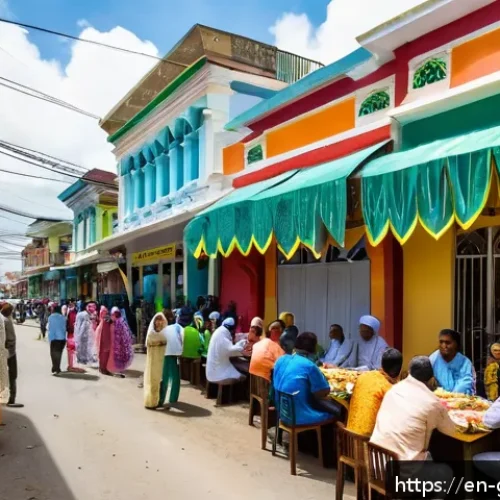
Stepping into a city like Georgetown is like diving headfirst into a vibrant tapestry of sights, sounds, and smells. It’s an exhilarating experience, but as with any bustling hub, keeping your wits about you is absolutely essential. I’ve personally found that the energy of the capital is contagious, yet it comes with a need for heightened awareness, especially if you’re exploring on foot. You’ll see life happening everywhere, from lively markets to charming colonial architecture, but it’s important to remember that not everyone has the best intentions. Petty crime, like pickpocketing and bag snatching, can be a real nuisance in crowded spots, and unfortunately, more serious incidents like armed robberies are also a concern, sometimes even in broad daylight.
My advice? Always appear purposeful, even if you’re secretly just admiring the scenery. A confident demeanor can sometimes deter opportunists. Avoid drawing attention to yourself by flaunting expensive gadgets or jewelry; trust me, blending in is always the chicest travel accessory! I make it a point to keep my phone tucked away unless I’m actively using it for navigation, and even then, I hold it securely. It’s all about minimizing the risk while maximizing the fun of discovery.
Daytime Explorations: What to Watch For
During the day, Georgetown’s main commercial areas are generally buzzing with activity, which can feel relatively safe. However, even during daylight hours, places like the Stabroek Market, while incredibly authentic and a must-see for its local flavor, demand extra vigilance. I remember marveling at the sheer variety of goods there, but I kept my bag firmly in front of me and my eyes peeled. You’ll want to safeguard your personal belongings, especially in such vibrant, crowded environments. Some areas, like Bourda and certain parts of Albertown, can also see petty crime, so just maintaining a general sense of awareness of your surroundings is always a good practice. If you’re planning to visit the beautiful Botanical Gardens, consider going with an organized group, as there have been reports of incidents there too. It’s not about being paranoid, but rather being smart and present in the moment.
Evening Ventures: A Different Vibe
Once the sun dips below the horizon, the city truly takes on a different character. Many areas that are perfectly fine during the day can become significantly riskier at night. Walking alone after dark, even in seemingly main areas, is something I would strongly advise against. Places like the Georgetown seawall, which offers lovely views in the daytime, have unfortunately been the site of violent crimes after dark. Similarly, areas around St. George’s Cathedral and the commercial downtown between Main and Water Streets become quite deserted and should be avoided at night. If you’re heading out for dinner or to enjoy some local music, always opt for a reputable taxi service or arrange transport through your accommodation. Your safety and peace of mind are absolutely paramount.
Safeguarding Your Personal Belongings and Finances
When you’re exploring a new place, the last thing you want to worry about is your valuables. My golden rule for any adventure, especially in a destination where crime rates can be high, is to be incredibly strategic about how I handle my money and personal items. It’s not about missing out on experiences, but about making sure you can fully enjoy them without unnecessary stress. I’ve learned through my own travels that a few simple precautions can make a world of difference in keeping your belongings safe and your mind at ease.
One common mistake I’ve seen travelers make is being too casual with their wallets or phones in public. A moment of distraction is all it takes for an opportunist to strike. Always think one step ahead. For instance, when I’m in a busy market or navigating public transport, I keep my daily cash in a money belt or a secure, zippered crossbody bag, making it much harder for anyone to access. This way, even if someone tries, they’re going to have a much tougher time, and it gives me that extra layer of confidence as I explore.
Smart Packing for Peace of Mind
Before you even leave your accommodation, it’s wise to consider what you’re bringing out. Do you really need that expensive watch or those flashy earrings for a walk around town? Probably not. I always suggest leaving truly valuable items, like your passport, extra cash, and high-value jewelry, secured in your hotel safe. If there’s no safe, find a less obvious spot within your room. The goal is to avoid anything that screams “wealthy tourist” to potential thieves. When I’m out, I carry only what’s necessary for the day and a photocopy or digital image of my passport, just in case. It’s a simple habit, but it can save a lot of headaches.
Handling Currency with Care
Guyana is largely a cash-based economy, so you’ll definitely need physical cash for many transactions. However, withdrawing money from ATMs requires extra caution. My personal experience has taught me to always use ATMs located *inside* banks during business hours rather than freestanding ones on the street. And even then, be extremely aware of your surroundings as you leave. There have been instances where individuals are followed after withdrawing money. For exchanging currency, stick to legitimate exchanges found at hotels or the airport, and absolutely *never* exchange money with individuals on the street. It’s an unnecessary risk that can lead to scams or worse.
Choosing Your Ride: Safe Transportation Dynamics
Getting around in a new country is often a big part of the adventure, but in Guyana, understanding the nuances of local transportation is absolutely key to a smooth and safe journey. It’s not just about getting from point A to point B; it’s about doing so with peace of mind. I’ve heard countless stories, and experienced some travel hiccups myself, that reinforce the importance of being selective about your mode of transport, especially when navigating longer distances or after dark. You’ll find a mix of options, each with its own set of considerations.
For instance, while the idea of hopping on a local minibus might seem like an authentic experience, I generally advise against it for safety reasons. From personal observation and traveler reports, these often tend to be overloaded, not always well-maintained, and drivers can be quite reckless. The risk of accidents is significantly higher with minibuses, and frankly, your vacation isn’t worth that kind of gamble. I’d much rather pay a little extra for a more secure option and arrive safely and relaxed.
Reputable Taxis: Your Go-To Option
When it comes to getting around urban areas, reputable taxis are generally your safest bet. I always recommend booking taxis through your hotel or opting for services from official taxi ranks. In Georgetown, you’ll notice many yellow taxis which are registered with the government. Before you set off, it’s a good habit to confirm the fare to avoid any misunderstandings or disputes at your destination. For airport transfers, particularly if you’re arriving or departing at night, arranging transport in advance with a trusted company is crucial. There have been unfortunate incidents of follow-home robberies targeting those leaving the airport. Keeping car doors locked and windows closed at all times, even during the day, is a simple yet effective safety measure.
Road Conditions and Night Driving
If you’re considering renting a car and driving yourself, be aware that road conditions vary widely and can be quite challenging. Reckless drivers, inadequate street lighting, and even roaming livestock pose significant hazards. My strongest recommendation is to absolutely avoid driving at night, anywhere in the country. Roads become poorly lit and the risks increase dramatically. If you’re venturing into the interior, which I highly encourage for its incredible natural beauty, it’s best done with a well-established tour operator. They have the expertise, the appropriate vehicles (often 4x4s), and the local knowledge to navigate remote trails and river crossings safely, often involving a combination of charter flights and boats for access.
Respecting the Wild: Responsible Exploration of Natural Wonders
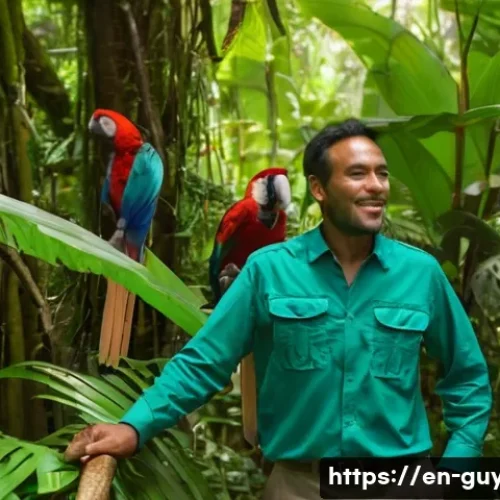
Guyana’s untouched rainforests, majestic rivers, and breathtaking waterfalls are, without a doubt, the crown jewel of any visit. But venturing into these truly wild places demands a different kind of preparation and respect. It’s an immersive experience that will connect you deeply with nature, but it also means stepping into an environment where human infrastructure is minimal, and nature truly holds sway. I’ve been fortunate enough to explore some incredible parts of Guyana’s interior, and each time, I’m reminded of the profound beauty and the inherent need for careful planning and guidance.
The sheer scale of the wilderness means that self-guided adventures, particularly for those unfamiliar with the terrain, can pose significant risks. Cellular coverage quickly becomes unreliable, and emergency services are practically non-existent in many remote areas. This isn’t the place for spontaneous, off-the-cuff exploration. It’s about embracing the wild responsibly, understanding that your safety relies heavily on informed decisions and leaning on local expertise.
Guided Adventures: Your Best Bet
For exploring Guyana’s remote natural wonders, booking with a reputable local tour operator is, in my opinion, non-negotiable. These operators possess invaluable local knowledge, experienced guides, and the right equipment to ensure your safety. They know the rivers, the trails, and the wildlife. I always feel much more at ease knowing I’m with guides who understand the environment intimately and can react appropriately to unexpected situations, whether it’s a sudden change in weather or an encounter with wildlife. Always inform someone of your travel plans and expected return times, especially when heading into isolated regions. Carrying essential supplies, like water, food, and a comprehensive first-aid kit, is also a must, as services are scarce.
Wildlife Encounters and Environmental Awareness
Guyana’s incredible biodiversity means you’re likely to encounter fascinating wildlife, but it’s crucial to admire them from a safe distance. Be mindful of potential encounters with snakes or various insects, and take precautions like wearing protective clothing and using insect repellent. The country’s rainy season can also lead to significant flooding, making some areas impassable and rivers treacherous. Always stay informed about current weather conditions and plan your activities accordingly. And when it comes to rivers and lakes, exercise extreme caution when swimming, as currents can be deceptively strong. It’s all part of respecting the raw power and beauty of nature.
Health and Wellness on the Road

Traveling to a new country is an exciting endeavor, but taking proactive steps for your health and well-being should always be at the top of your planning list. While Guyana offers incredible adventures, it’s also important to be aware of the health considerations specific to the region. I’ve found that a little foresight goes a long way in preventing avoidable illness and ensuring you can fully immerse yourself in the experience without any unwelcome interruptions. Think of it as investing in your adventure!
From vaccinations to what you eat and drink, making informed choices can drastically reduce risks. The local medical facilities, particularly outside of Georgetown, can be quite basic, with limited equipment and trained staff. This really underscores the importance of prevention and being prepared for minor ailments yourself. I always pack a comprehensive first-aid kit with essentials like antiseptic wipes, band-aids, pain relievers, and any personal medications I might need. It’s better to have it and not need it, than need it and not have it, right?
Essential Vaccinations and Medications
Before any international trip, a consultation with a healthcare provider well in advance is crucial to discuss necessary vaccinations. For Guyana, vaccinations for Hepatitis A and B, and typhoid are generally recommended. Yellow fever vaccination is often a requirement, especially if you’re traveling from or through a country with widespread yellow fever, so make sure to check the latest entry requirements and carry your vaccination certificate. Malaria is present in some regions, particularly in the interior, so anti-malarial medication may be advised depending on your itinerary. And don’t forget personal precautions against mosquito-borne diseases like dengue fever, which is also prevalent; use insect repellent diligently and wear long sleeves and pants, especially during dawn and dusk.
Food and Drink Safety: Savoring Local Flavors Wisely
Guyanese cuisine is a delightful fusion of cultures, and you’ll want to savor every bite! However, practicing safe food and water precautions is paramount to avoid stomach issues like traveler’s diarrhea. My rule of thumb is to stick to bottled or boiled water, and avoid tap water unless you’re absolutely sure of its filtration. When it comes to food, cooked dishes served hot are generally safe. Be cautious with raw foods, salads, and anything sold by street vendors, as hygiene standards can vary. Peel fruits yourself, and ensure meats and fish are well-cooked. It’s all about finding that balance between enjoying the local culinary scene and being mindful of how your body will react to new foods and preparations.
Embracing Local Culture Safely and Respectfully
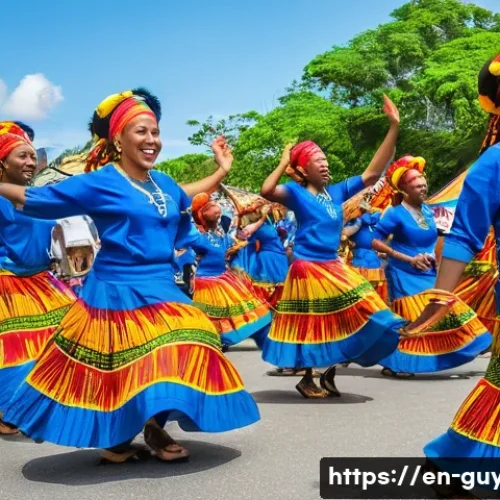
One of the most enriching parts of traveling is connecting with local people and immersing yourself in their culture. Guyana, with its incredible blend of African, Indian, Indigenous, Chinese, and European influences, offers a truly unique cultural experience. The warmth and hospitality of Guyanese people are genuinely endearing, and engaging with them will undoubtedly deepen your understanding of this fascinating country. However, like any destination, there are local customs and nuances that, when understood and respected, can enhance your interactions and ensure a more positive and safer experience for everyone involved. It’s about being a considerate guest in their home.
I’ve always found that a genuine smile and a polite greeting go a very long way. English is the official language, which certainly makes communication easier for many of us, but you’ll also hear Creolese, a local dialect, spoken informally. Learning a few simple phrases in Creolese can be a delightful way to show respect and often brings a genuine smile to a local’s face. It’s those small gestures of effort and understanding that truly open doors to meaningful connections.
Etiquette and Social Graces
Guyanese culture places a high value on politeness and respect. Simple greetings like “Good morning” or “Good afternoon” are customary and appreciated. When addressing elders, using titles like “Mr.,” “Mrs.,” or “Miss” followed by their last name is a sign of respect. If you’re invited into someone’s home, it’s considered courteous to bring a small gift, such as fruit or flowers, as a token of appreciation. I’ve found that Guyanese people are incredibly hospitable and often offer food and drink, and it’s generally considered impolite to refuse, although you can certainly take a small portion. Modest dress, particularly when visiting religious sites or in more rural areas, is also advised. Public displays of affection are generally frowned upon, so it’s best to keep those private.
Cultural Sensitivity and Interactions
Being culturally sensitive also extends to how you interact and behave in public. Loud or aggressive behavior is generally frowned upon. If you’re passionate about photography, which is understandable given Guyana’s beauty, always ask for permission before taking pictures of people, especially in rural communities. Some communities have specific beliefs about photography, and showing respect for their wishes is paramount. While tipping is not mandatory, it is appreciated, with 10-15% being customary in restaurants if a service charge isn’t already included. Remember, responsible and respectful travel not only keeps you safer but also ensures that you leave a positive impression on the communities you visit, contributing to a truly enriching cultural exchange.
Managing Unexpected Situations and Staying Connected
No matter how meticulously you plan, travel often throws a few curveballs our way. That’s just part of the adventure! But being prepared for the unexpected, and knowing how to handle unforeseen situations, can make all the difference between a minor hiccup and a major headache. In a destination like Guyana, where resources might be different from what you’re used to, having a clear idea of how to stay connected and what to do in an emergency is incredibly empowering. I always make it a point to have a “contingency plan” in my mind, just in case.
One of the most vital things you can do for yourself is to invest in comprehensive travel insurance. This isn’t just about lost luggage; it’s about covering medical emergencies, potential medical evacuation (which is crucial given the limited medical facilities), and trip cancellations. Trust me, I’ve seen firsthand how a good insurance policy can turn a stressful situation into a manageable one. It’s a small upfront cost for immense peace of mind. Additionally, carrying physical and digital copies of your passport, visa, and insurance details, along with important phone numbers, is a habit I swear by.
Emergency Contacts and Communication
Knowing who to call in an emergency is absolutely non-negotiable. In Guyana, you can dial 911 for police, ambulance, or fire services. While this is the general emergency number, I always recommend having your embassy or consulate’s contact details readily available as well. Many hotels will also provide useful emergency numbers to their guests, so make sure to ask upon arrival. Staying connected is also about ensuring your phone works. Consider purchasing a local SIM card for easier communication and data access, which can be invaluable for navigation or quickly looking up information. If you’re venturing into truly remote areas, satellite phones or GPS devices are recommended, as regular cellular coverage can be unreliable or non-existent.
Keeping an Eye on Travel Advisories and Local News
The travel landscape can change, sometimes rapidly. I make it a habit to regularly check official travel advisories from my home country’s government before and during my trip. These advisories often provide the most up-to-date information on security situations, health risks, and other concerns. Monitoring local media for the latest information, especially if there are any reports of political demonstrations or border tensions, is also a smart move. For example, there’s ongoing tension near the Guyana-Venezuela border, and the security situation can deteriorate quickly, so it’s always best to be aware and follow the instructions of local authorities if you’re in such areas. Being informed allows you to make flexible and safe decisions as you go.
| Situation | Recommended Action for Safety | Why This Helps |
|---|---|---|
| Urban Exploration (Georgetown) | Avoid walking alone at night; use reputable taxis. | Reduces exposure to violent crime and petty theft, which increase significantly after dark. |
| Handling Cash/Valuables | Use hotel safes; avoid flaunting wealth; use ATMs inside banks. | Deters pickpockets and robbers who target visible signs of affluence. |
| Transportation Choices | Opt for reputable taxis; avoid public minibuses. | Minibuses are often poorly driven and maintained, increasing accident risk. Taxis offer more control and security. |
| Remote Area Adventures | Travel with established tour operators/guides; inform others of plans. | Local expertise is crucial for navigating challenging terrain and limited infrastructure; ensures someone knows your whereabouts. |
| Health Concerns | Consult doctor for vaccinations (Yellow Fever often required); use insect repellent. | Prevents common travel illnesses like malaria, dengue, and waterborne diseases. |
글을 마치며
So, there you have it, my friends! Navigating a vibrant city like Georgetown and truly exploring Guyana’s incredible natural beauty is an adventure I wholeheartedly recommend, brimming with unforgettable experiences. My biggest takeaway from all my travels, especially to places with such unique dynamics, is that a little bit of diligent preparation, coupled with a genuine dose of street smarts and heightened awareness, can absolutely transform your experience from merely good to something truly extraordinary and worry-free. Remember, this journey is about embracing every single moment, soaking in the culture, reveling in the stunning landscapes, and doing so with the profound peace of mind that comes from being both smart and incredibly savvy. It’s about empowering yourself to tackle the unexpected with confidence, knowing you’ve laid a solid foundation for your safety. Go forth, explore with an open heart, make those incredible, lasting memories, but always, always prioritize staying safe and sound throughout your amazing Guyanese escapade!
알아두면 쓸모 있는 정보
1. Always Prioritize Reputable Transport: When in urban areas, stick to official taxis booked via your hotel or from established ranks. Avoid public minibuses due to safety concerns and reckless driving. For airport transfers, pre-arrange a trusted service, particularly if arriving or departing at night to mitigate risks. Keeping car doors locked and windows closed is a simple but vital habit.
2. Be Vigilant with Valuables: Keep expensive items secured in your hotel safe. When out and about, only carry the essentials for the day, and consider using a money belt or a secure crossbody bag. Be incredibly discreet with your phone and other gadgets. Always withdraw cash from ATMs located inside secure bank premises during business hours, rather than standalone street ATMs, and be aware of your surroundings as you leave.
3. Travel Insurance is Non-Negotiable: Seriously, don’t skimp on this one! Invest in comprehensive travel insurance that covers not just lost luggage, but critically, medical emergencies, potential medical evacuations, and trip cancellations. Given that local medical facilities can be basic outside the capital, having robust insurance provides invaluable peace of mind and essential protection should the unforeseen occur.
4. Respect Local Culture and Stay Informed: Show politeness and respect local customs, especially when interacting with people or visiting religious sites. A simple “Good morning” goes a long way. Regularly check official travel advisories from your home country’s government and local news for the most current safety information, particularly concerning any reports of political demonstrations or evolving situations, like those near border areas.
5. Health Preparedness is Key: Consult your doctor well in advance for recommended vaccinations – Yellow Fever is often mandatory for entry, so ensure your certificate is up-to-date. Use insect repellent diligently, drink only bottled or boiled water, and exercise extreme caution with street food to prevent common travel illnesses. Knowing where to find medical help, even if basic, is also a smart move.
중요 사항 정리
Ultimately, my friends, while the allure of Guyana’s raw beauty and vibrant culture is undeniably powerful and incredibly inviting, experiencing it fully and safely boils down to a few core, empowering principles. It’s about being profoundly present, not just in enjoying the magnificent sights and unique sounds, but in actively observing and understanding your immediate surroundings with a keen eye. It means preparing diligently, from securing the right vaccinations and investing in comprehensive travel insurance to thoroughly knowing your transportation options and understanding local nuances. Most importantly, it’s about making conscious, informed choices to actively protect your personal well-being, whether that’s being hyper-mindful of your belongings in a bustling market, choosing a trusted, experienced guide for an interior adventure into the rainforest, or simply knowing when to avoid certain areas after dark. By meticulously blending sensible precautions with an open heart for discovery and genuine respect for the local way of life, you’re not just a tourist passing through; you’re a responsible, empowered explorer, ensuring your journey through Guyana is as rich, rewarding, and deeply secure as it is utterly unforgettable. Remember, savvy travel isn’t born from fear; it’s about empowering yourself to have the absolute best possible time, confident in the knowledge that you’ve got all your bases expertly covered.
Frequently Asked Questions (FAQ) 📖
Q: Is Georgetown really as risky as some people say, and what are the key areas I should be most aware of in the city?
A: Oh, Georgetown! It’s a city with so much life and character, but as with many bustling capitals, it does have its challenges. From what I’ve personally gathered and heard from countless fellow travelers, it’s wise to exercise a higher degree of caution here than you might in some other parts of Guyana, particularly regarding petty crime and even some more serious incidents.
The crime rate, while varying, does tend to be higher in urban areas. Don’t let this deter you completely, though; it just means being extra savvy. My personal take?
The areas around Stabroek Market and Bourda Market, while incredibly vibrant and culturally rich, are known hotspots for pickpocketing and bag snatching.
It’s the kind of place where you really need to keep your wits about you, maybe wear a money belt under your clothes (I swear by these in any busy city!), and avoid flashing any valuables.
I’ve heard stories where folks get so caught up in the energy of the market that they lose track of their belongings, and that’s just heartbreaking. Other areas like Agricola, Albouystown, Tiger Bay, and even parts of East and West Ruimveldt are generally considered to be higher-risk and it’s often advised to steer clear of them entirely, especially if you’re not with a trusted local.
Even seemingly innocuous spots like the seawall, the National Park, and the Botanical Gardens have had incidents, so if you visit these, definitely go during the day, preferably with a group, and don’t carry anything you can’t afford to lose.
It’s all about common sense, really: don’t walk alone after dark, avoid deserted areas, and always be aware of your surroundings, especially when leaving places like banks or ATMs.
Trust your gut feeling – if a street or situation feels off, it probably is.
Q: When venturing into Guyana’s stunning rainforests and interior, what are the unique safety considerations beyond urban crime?
A: Ah, the interior! Now this is where Guyana truly shines, showcasing its magnificent, unspoiled nature. But as incredible as these remote areas are, they come with a different set of safety considerations compared to the city.
It’s less about human-on-human crime (though limited law enforcement presence means you still need to be aware), and more about nature’s raw power and the logistics of being truly off-grid.
My biggest piece of advice, and something I always emphasize for remote travel, is preparation. First off, reputable tour operators are your best friends here.
I’ve personally found that going with a seasoned, locally-known guide not only makes the experience richer, but it’s crucial for safety. They know the terrain, the wildlife (think snakes and potentially dangerous insects!), and what to do if things don’t go according to plan.
I always tell people, this isn’t the kind of place you “wing it” solo, especially if you’re not an experienced bush traveler. Beyond that, health precautions are paramount.
We’re talking about a tropical environment, so mosquito-borne illnesses like malaria and dengue are real concerns. I always pack a good insect repellent (and apply it generously!), wear long sleeves and pants, and ensure my accommodation (if I’m not camping) is insect-proof.
Get your vaccinations up-to-date well before you go – Yellow Fever is often a requirement, and Hepatitis A and Typhoid are usually recommended. Also, the rainy seasons (typically May to August and November to January) can cause significant flooding, making roads impassable and rivers treacherous.
Always stay updated on weather conditions and listen to local advice. And remember, medical facilities in remote areas are extremely limited, so a comprehensive first-aid kit and robust travel insurance are non-negotiables.
It’s about respecting the wild, preparing for anything, and letting seasoned professionals lead the way.
Q: What are some essential, practical tips for travelers to stay safe and ensure a smooth experience throughout their Guyanese adventure?
A: Okay, so you’re ready to dive in, and that’s fantastic! To ensure your Guyanese adventure is as smooth and safe as possible, here are some practical tips I’ve picked up and always share with fellow explorers.
Think of these as your personal toolkit for peace of mind. First, money matters! Guyana is largely a cash-based society, especially once you leave Georgetown.
I always make sure I have enough local currency (Guyanese Dollars), but I never carry all my cash in one place. Diversify! A money belt, a separate hidden pouch, and keeping only what you need for the day in your wallet is a smart strategy.
When you do need to exchange money, stick to legitimate sources like banks or reputable cambios – avoid street changers at all costs, as counterfeit currency is a known issue.
And when using ATMs, opt for ones inside banks and be super aware of your surroundings; credit card fraud exists, so be discreet with your PIN. Next, transportation.
In Georgetown, taxis are generally the safest way to get around, but here’s the kicker: never hail one off the street. Always book through your hotel or use a trusted, recommended company.
Look for “H” on the license plates, which usually indicates a licensed taxi. Outside the city, especially for interior travel, organized tours with reputable operators are honestly the way to go; self-driving can be hazardous due to poor road conditions, aggressive drivers, and lack of lighting at night.
And seriously, avoid minibuses – they’re often involved in accidents. Finally, and this might sound simple but it’s profound: blend in and respect local customs.
Don’t flaunt expensive jewelry, cameras, or electronics. Appearing affluent can unfortunately make you a target. I always tell people to carry a photocopy of their passport and leave the original secure in their accommodation.
Also, engage with locals! Guyanese people are incredibly friendly and hospitable. Learning a few simple phrases or showing genuine interest in their culture can open doors and create truly memorable, safe interactions.
But always use your judgment – if an offer feels too good to be true, it probably is. Planning ahead, staying vigilant, and embracing the local vibe responsibly are your best tickets to an unforgettable, worry-free trip!