
Anyone who’s spent more than a few days in Guyana can tell you, firsthand, that the power supply situation here is… well, it’s a constant topic of conversation, and often, frustration.
I remember trying to work on a deadline only for the lights to suddenly die, plunging everything into darkness – and it wasn’t a rare occurrence. It’s not just an occasional flicker; for many, it’s a daily struggle, affecting everything from small businesses trying to process payments to families just trying to keep food cold.
It feels like Guyana is perpetually caught between its incredible economic promise, fueled by the oil boom, and an aging, overstressed electricity grid that simply can’t keep up.
The demand is soaring, yet the infrastructure seems to be perpetually playing catch-up, leading to those all-too-frequent blackouts. It’s a critical bottleneck hindering daily life and the nation’s broader development.
However, there’s also a palpable sense of anticipation for what’s next, with major initiatives on the horizon aiming to finally bring stability to the grid, possibly shifting towards cleaner energy sources.
Let’s get the full picture.
Anyone who’s spent more than a few days in Guyana can tell you, firsthand, that the power supply situation here is… well, it’s a constant topic of conversation, and often, frustration.
I remember trying to work on a deadline only for the lights to suddenly die, plunging everything into darkness – and it wasn’t a rare occurrence. It’s not just an occasional flicker; for many, it’s a daily struggle, affecting everything from small businesses trying to process payments to families just trying to keep food cold.
It feels like Guyana is perpetually caught between its incredible economic promise, fueled by the oil boom, and an aging, overstressed electricity grid that simply can’t keep up.
The demand is soaring, yet the infrastructure seems to be perpetually playing catch-up, leading to those all-too-frequent blackouts. It’s a critical bottleneck hindering daily life and the nation’s broader development.
However, there’s also a palpable sense of anticipation for what’s next, with major initiatives on the horizon aiming to finally bring stability to the grid, possibly shifting towards cleaner energy sources.
Let’s get the full picture.
The Daily Grind: Living Through the Outages
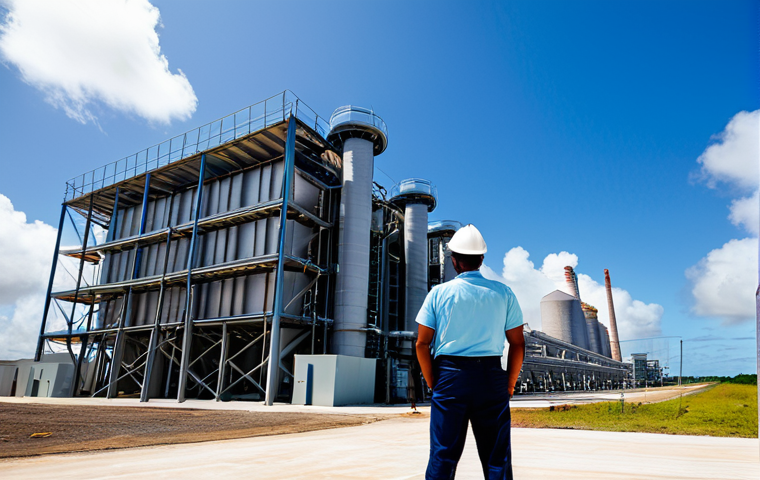
Living with unreliable electricity isn’t just an inconvenience; it becomes a fundamental part of your daily planning. I quickly learned to charge everything – my laptop, my phone, even my power bank – whenever the lights were on, regardless of the time of day.
It felt like a race against the clock, always anticipating the inevitable sudden blackout. Imagine trying to run a small restaurant, with customers waiting and your point-of-sale system suddenly dead, or a family trying to prepare a meal when the stove goes cold.
It’s not just about comfort; it’s about basic functionality and maintaining a sense of normalcy. The hum of generators has become the unofficial soundtrack of many neighborhoods, a clear sign that life, despite the grid’s best efforts, finds a way to carry on.
This constant state of preparedness, or rather, preparedness for the unpredictable, is exhausting. You buy extra ice, you keep lanterns handy, and you learn to do things by touch in the dark.
It’s a testament to the resilience of Guyanese people, but it shouldn’t have to be this way. My friend, who runs a small online business, once told me how he had to reschedule an important client call three times in a single week due to power cuts, leading to palpable stress and the fear of losing business.
1. Impact on Household Rhythms and Comfort
The disruption to household rhythms is profound. Simple acts like watching TV, doing laundry, or even getting a good night’s sleep are jeopardized. Without air conditioning or fans, the tropical heat becomes unbearable, making rest difficult.
Food spoilage is a common and expensive problem, particularly for families without robust backup power solutions like large inverters or generators. I remember opening my fridge after a particularly long outage, only to find fresh produce wilted and meat starting to turn – a frustrating waste of money and resources.
Parents struggle to keep children entertained or help them with homework in dim light or complete darkness. It forces a return to a more basic way of living, where candlelight and battery-operated devices become essential, highlighting the stark contrast between modern aspirations and the daily reality of an underdeveloped power grid.
This constant cycle of anticipation and disruption deeply impacts mental well-being, adding an underlying layer of stress to everyday life.
2. Navigating Work and Study Challenges
For professionals and students, the situation is particularly dire. Online meetings are often cut short, important files cannot be accessed, and deadlines become a nightmare.
I’ve personally experienced the panic of unsaved work disappearing into the ether when the power suddenly cut out. Students trying to access online learning materials or complete assignments are left at a significant disadvantage, widening the educational gap.
Businesses, large and small, face substantial operational losses. Data centers struggle to maintain uptime, and retail shops cannot process card payments, leading to lost sales and customer frustration.
The reliance on expensive and often noisy generators adds to operational costs, eating into already tight margins. The energy sector’s instability directly translates to a less competitive business environment, making it harder to attract and retain investment beyond the oil and gas sector.
The Economic Ripple Effect: Beyond the Blackout
The direct economic costs of power outages are staggering, but the ripple effects spread much wider, touching every facet of Guyana’s burgeoning economy.
Businesses, particularly small and medium-sized enterprises (SMEs), bear a disproportionate burden. Imagine a printing shop unable to fulfill orders, a tailor missing deadlines, or an internet café losing customers because their machines are idle.
These are not isolated incidents; they are daily occurrences that chip away at profitability and stifle growth. The reliance on alternative power sources, primarily diesel generators, drives up operational costs significantly.
Fuel is expensive, and maintaining these generators requires regular investment, effectively imposing a ‘power tax’ on businesses that are already navigating competitive markets.
This added financial strain limits expansion, hiring, and innovation, ultimately slowing down the diversification of the economy beyond its dominant oil and gas sector.
The cumulative effect is a drag on the nation’s overall productivity and competitiveness in the regional and global arenas. I spoke to a local baker who confessed she has lost thousands of dollars in ruined batches of bread and pastries because her ovens suddenly went off during critical baking times.
1. Business Stagnation and Increased Operational Costs
The unpredictability of power supply is a major deterrent for both local entrepreneurship and foreign direct investment outside of the extractive industries.
Investors look for stable infrastructure, and consistent power is at the top of that list. Businesses spend a significant portion of their capital on purchasing, installing, and maintaining generators, inverters, and battery backup systems.
This capital could otherwise be invested in product development, marketing, or employee training. The cost of diesel alone can be crippling for many small businesses.
Moreover, the wear and tear on electrical appliances and equipment due to frequent power surges and drops leads to higher repair and replacement costs, further eating into profits.
This cycle of dependency on backup power stunts organic economic growth, making it difficult for emerging industries to flourish and compete effectively.
It’s a constant uphill battle where just keeping the lights on consumes valuable resources that should be fueling progress.
2. Impact on Critical Infrastructure and Public Services
Beyond individual businesses, critical public services and infrastructure suffer. Hospitals rely on uninterrupted power for life-saving equipment, traffic lights cease to function creating chaotic conditions on the roads, and water pumps sometimes stop, affecting water supply.
My own experience navigating the city during an outage meant dodging cars at unlit intersections, which felt surprisingly perilous. Telecommunications networks can also be affected, leading to dropped calls and internet disruptions, further isolating communities and hindering emergency responses.
The quality and reliability of public services directly reflect the stability of the national infrastructure, and an unstable power grid undermines the government’s ability to provide essential services efficiently.
This impacts public trust and the overall quality of life for citizens, making daily tasks unnecessarily complex and stressful.
Unpacking the Grid’s Challenges: Why It’s Failing to Deliver
The core issue isn’t a lack of effort but a complex web of historical underinvestment, rapid demand growth, and an aging, centralized infrastructure ill-suited for the modern era.
Guyana’s grid, largely reliant on aging thermal power plants and a limited transmission and distribution network, was simply not designed to handle the exponential surge in demand fueled by its booming oil economy and corresponding population growth.
For years, maintenance and upgrades lagged behind, creating a fragile system prone to breakdowns. When I delved deeper into discussions with locals and even some energy sector professionals, the picture became clearer: decades of reactive fixes rather than proactive investment left the grid vulnerable.
It’s like trying to run a high-speed internet connection through an old dial-up modem; the fundamental capacity just isn’t there to meet the current usage.
Furthermore, the centralized nature of the grid means that a failure at one major point can cascade through large sections of the country, leading to widespread blackouts rather than localized disruptions.
This systemic vulnerability makes the situation feel even more precarious.
1. Legacy Infrastructure and Insufficient Capacity
The backbone of Guyana’s power supply has historically been dependent on heavy fuel oil (HFO) plants, many of which are decades old. These plants are not only less efficient and more costly to run but are also prone to mechanical failures.
They simply cannot generate enough power to meet the rapidly escalating national demand. The issue is compounded by a transmission and distribution (T&D) network that is fragile and suffers from high technical and commercial losses.
Think of it like a leaky pipe – a significant amount of the power generated is lost before it even reaches homes and businesses due to outdated lines, transformers, and illegal connections.
This means that even when generation is adequate, delivery often isn’t. The capacity deficit is a moving target, constantly growing as more businesses emerge and more households come online, making it difficult for current upgrades to ever truly catch up.
2. The Rapid Surge in Demand and Load Shedding
The recent economic boom, particularly driven by oil, has led to unprecedented growth in demand for electricity. New businesses are setting up, existing ones are expanding, and the population, especially in urban centers like Georgetown, is increasing.
This surge in demand has outpaced the grid’s ability to supply. When demand exceeds supply, the Guyana Power and Light (GPL) is forced to implement ‘load shedding’ – planned or unplanned outages in different areas to prevent a complete system collapse.
While necessary to protect the grid, this practice is precisely what causes the widespread frustration and disruption. It’s a clear symptom of a system running at its absolute limit, with little to no reserve capacity to absorb spikes in consumption or unexpected plant failures.
The public understands the concept, but the execution often feels arbitrary and deeply impactful on daily life.
The Oil Boom Paradox: Fueling Growth, Stressing Infrastructure
It’s an interesting, almost ironic, situation: the very resource that is propelling Guyana to unprecedented economic heights is also, indirectly, exacerbating its most frustrating infrastructure challenge.
The oil boom has brought immense wealth and propelled Guyana to be one of the fastest-growing economies globally. This influx of capital has fueled massive development, attracted new businesses, and led to a surge in construction and consumer spending.
All of this translates directly into a skyrocketing demand for electricity. New high-rise buildings, expanded commercial zones, and an increasingly affluent population all require more power.
The paradox is that while there’s more money flowing into the country, the underlying physical infrastructure, particularly the power grid, wasn’t ready for this rapid acceleration.
It’s like putting a supercar engine into an old pickup truck chassis – the power is there, but the rest of the vehicle can’t handle it. I’ve personally seen the rapid transformation of the cityscape, and while impressive, it makes you wonder how the essential services are keeping pace.
1. Increased Investment and Development Pressure
The economic windfall from oil production has opened doors for significant national development projects. However, this development itself puts immense pressure on existing utilities.
Construction of new hotels, industrial facilities, and residential areas all require vast amounts of power for construction and subsequent operation. This rapid expansion means more connections to an already strained grid, leading to an even greater supply-demand imbalance.
While the long-term vision includes using oil revenues to fund infrastructure upgrades, the immediate impact is a heightened demand that the current system simply cannot meet.
It creates a bottleneck where economic potential is literally waiting for the lights to come on consistently.
2. Challenges in Allocating Oil Revenue for Infrastructure
While oil revenues provide the financial means for large-scale infrastructure projects, the process of planning, tendering, and executing these projects is complex and time-consuming.
Bureaucratic hurdles, technical challenges, and the sheer scale of the required upgrades mean that immediate relief is unlikely. There’s a delicate balance between investing in long-term solutions and addressing the immediate crisis.
Furthermore, ensuring transparency and efficiency in the allocation of these funds is critical to avoid delays and ensure that the projects deliver their intended benefits.
The public often feels the impact of outages daily, while the large-scale solutions are years, if not decades, away from full implementation, leading to understandable frustration.
Glimmers of Hope: Major Projects on the Horizon
Despite the current frustrations, there’s a genuine sense of optimism about the future of Guyana’s power sector. The government has recognized the urgency of the situation and is actively pursuing several ambitious projects designed to fundamentally transform the grid.
These aren’t just minor upgrades; they represent a significant shift towards more reliable, sustainable, and potentially cleaner energy sources. The Gas-to-Energy project, in particular, is seen as a game-changer, promising to provide a substantial boost in generation capacity.
While the journey has been long and fraught with challenges, the commitment to these large-scale initiatives suggests a turning point. It feels like the nation is finally putting its resources where the pain points are, aiming to build an energy future that can truly support its economic ambitions.
I’ve heard many Guyanese express cautious hope, acknowledging the difficulties but also seeing the potential for a brighter, more electrified future.
1. The Transformative Gas-to-Energy Project
The centerpiece of Guyana’s energy transformation is the Gas-to-Energy project. This ambitious undertaking involves bringing natural gas from offshore oil fields to a power plant on the coast, converting it into electricity.
This project is projected to significantly increase the country’s generation capacity, potentially reducing the cost of electricity by up to 50% and dramatically improving reliability.
It represents a shift away from expensive and polluting heavy fuel oil towards a cleaner, more efficient energy source. The project is colossal, involving pipelines, processing facilities, and a new power plant, and its successful implementation is widely seen as the key to unlocking Guyana’s full economic potential.
The sheer scale and complexity mean it’s not without its challenges, but the potential rewards are immense.
2. Diversifying with Renewable Energy Initiatives
Beyond the Gas-to-Energy project, there’s a strong push towards integrating renewable energy sources into the national grid. Guyana has abundant potential for solar, hydro, and wind power.
While larger-scale hydro projects have faced their own set of challenges, smaller, decentralized solar farms and mini-grids are being explored to provide power to remote communities and supplement the main grid.
This diversification is crucial not only for environmental sustainability but also for building a more resilient energy system that isn’t solely reliant on a single source or large, centralized plants.
My conversations with environmental advocates reveal excitement about this aspect, viewing it as a pathway to a greener future that aligns with global energy trends.
This multifaceted approach, combining gas with renewables, aims to create a robust and sustainable energy mix for the future.
Navigating the New Normal: Citizen Adaptations and Innovations
Living with intermittent power has forced Guyanese citizens and businesses to become incredibly resourceful and innovative. It’s not just about complaining; it’s about finding practical solutions to keep life moving.
From the widespread adoption of backup power solutions to simple behavioral changes, people have learned to adapt their routines to the grid’s unpredictability.
This resilience is truly inspiring. I’ve seen everything from intricate solar panel setups on residential homes to small business owners meticulously planning their operations around anticipated load shedding schedules.
This “new normal” has inadvertently fostered a culture of self-reliance when it comes to power, pushing people to invest in personal energy independence where possible, which, while a burden, also highlights an entrepreneurial spirit.
1. The Rise of Backup Power Solutions
The most visible adaptation is the proliferation of generators and inverters. Homes, businesses, and even small shops now routinely invest in these systems to maintain some semblance of normalcy during outages.
While generators offer robust power, they come with significant costs: fuel, noise, and maintenance. Inverters, coupled with battery banks, provide a quieter, often more eco-friendly, but typically lower-capacity alternative.
The market for these devices has boomed, indicating a deep-seated need for personal energy security. I quickly learned the difference between a pure sine wave inverter and a modified sine wave – knowledge I never thought I’d need!
It shows how people are becoming inadvertent experts in power solutions just to live their daily lives.
2. Community and Business Resilience Strategies
Beyond individual solutions, communities and businesses have developed collective coping mechanisms. Some businesses schedule their power-intensive tasks for off-peak hours or during known periods of stable power.
Neighborhoods often share information about outages, helping each other prepare. There’s an informal network of support where people look out for one another.
For example, a restaurant might have a large generator that helps keep not just their operations running but also provides a bit of light for passersby on a dark street, creating a small pocket of normalcy.
This community spirit, born out of necessity, is a remarkable aspect of Guyanese life under these conditions.
| Aspect of Power Supply | Current Situation (Pre-Major Projects) | Anticipated Impact (Post-Major Projects) |
|---|---|---|
| Reliability | Frequent, unpredictable outages; high load shedding. | Significantly improved; fewer and shorter outages; enhanced grid stability. |
| Cost per kWh | High, due to reliance on expensive heavy fuel oil and inefficiencies. | Projected to decrease by up to 50% with natural gas and renewables. |
| Generation Capacity | Insufficient to meet surging demand; aging infrastructure. | Substantially increased with new gas plants and renewable energy integration. |
| Environmental Impact | High carbon footprint from HFO plants. | Reduced emissions with cleaner natural gas and growing renewable share. |
| Business Continuity | Heavily reliant on expensive backup generators; lost productivity. | Improved, leading to lower operational costs and enhanced competitiveness. |
Investing in Resilience: A Path Towards Sustainable Energy Security
The path forward for Guyana’s energy sector is undeniably about resilience and sustainability. It’s not just about adding more megawatts to the grid; it’s about building a system that can withstand future demand surges, adapt to climate change impacts, and provide equitable access to reliable power across the country.
This requires a multi-pronged strategy that goes beyond just large-scale power plants. It involves modernizing the transmission and distribution network, integrating smart grid technologies, and fostering energy efficiency at all levels.
The government’s commitment to these areas, backed by the nation’s newfound wealth, presents a unique opportunity to leapfrog traditional development challenges and build a truly modern energy infrastructure.
It’s an exciting prospect, though the execution will require meticulous planning and transparent governance. My discussions with various stakeholders always circle back to the idea that this is a once-in-a-generation chance to get it right.
1. Modernizing Transmission and Distribution
Even with increased generation, a weak transmission and distribution network remains a bottleneck. Significant investment is needed to upgrade aging lines, replace inefficient transformers, and implement smart grid technologies that can monitor and manage power flow more effectively.
Reducing technical and commercial losses in the T&D network is crucial to ensuring that generated power actually reaches consumers. This also includes building redundancy into the system so that localized failures don’t cascade into widespread blackouts.
A robust T&D network is the circulatory system of the grid, and its modernization is as critical as adding new power plants. It’s about making the entire system smarter, more responsive, and less prone to the very common daily failures.
2. Fostering Energy Efficiency and Conservation
While increasing supply is paramount, managing demand through energy efficiency and conservation measures is equally important. Promoting the use of energy-efficient appliances, encouraging behavioral changes, and implementing smart metering systems can reduce overall consumption and alleviate pressure on the grid.
Education campaigns can play a vital role in raising awareness about how individuals and businesses can contribute to a more stable energy future. This is about empowering consumers to be part of the solution, not just passive recipients of power.
Every kilowatt-hour saved is a kilowatt-hour that doesn’t need to be generated, making the entire system more efficient and sustainable in the long run.
Wrapping Up
As I reflect on my time in Guyana, the power situation is undoubtedly a defining challenge, yet it’s equally a testament to the incredible resilience and optimism of its people. While the daily struggles with outages are real and frustrating, there’s a palpable sense of movement towards a brighter, more stable future. The energy landscape is on the cusp of a major transformation, and I truly believe that with these ambitious projects and continued local innovation, Guyana will power through these challenges, literally.
Useful Information to Know
1. GPL (Guyana Power and Light Inc.) is the primary electricity provider. Their customer service lines or social media can sometimes provide updates on outages, though real-time information can still be a challenge.
2. Invest in a Power Bank: A good quality, high-capacity power bank for your phone and other small devices is an absolute must-have. It’s your lifeline during extended blackouts.
3. Consider a Small Inverter or Generator: For more critical needs, many households and businesses invest in small inverters (battery backup) or portable generators. Just remember generator safety and fuel costs!
4. Charge Devices Proactively: Make it a habit to charge all your essential devices—laptops, phones, tablets, rechargeable lanterns—whenever you have power. Don’t wait until the battery is low.
5. Local Markets and Small Businesses Adapt: Don’t be surprised if smaller shops operate by candlelight or limited service during outages. They’re doing their best to keep going, and your patience is appreciated.
Key Takeaways
Guyana’s power supply faces significant challenges due to an aging grid, rapid demand growth from the oil boom, and historical underinvestment. These issues lead to frequent blackouts, impacting daily life, businesses, and critical public services. However, the nation is at a pivotal point, with major projects like the Gas-to-Energy initiative and renewable energy integration poised to dramatically improve reliability, reduce costs, and foster a more sustainable energy future. Citizen resilience and innovation in adapting to the current situation are also notable aspects of this evolving landscape.
Frequently Asked Questions (FAQ) 📖
Q: What’s really at the heart of Guyana’s persistent power woes, beyond just an “aging infrastructure”?
A: From what I’ve seen and experienced, it’s a perfect storm of rapid, almost dizzying economic growth clashing head-on with decades of underinvestment in the power sector.
The oil boom means demand has absolutely skyrocketed – businesses are expanding, more people are migrating for work, and everyone needs more power for homes and operations.
The grid, frankly, just wasn’t built to handle this kind of exponential surge. It’s not just that the wires are old; it’s a fundamental capacity deficit.
They’re running plants hard, almost around the clock, and preventive maintenance often takes a backseat, leading to more breakdowns. It feels less like an occasional hiccup and more like an entire system perpetually running on fumes, constantly playing catch-up to a demand curve that keeps shooting for the sky.
Q: You mentioned it affects businesses and families; can you elaborate on the real, day-to-day impact this has on people in Guyana?
A: Oh, it’s profound, and it touches every single aspect of life here. For small businesses, like the little internet cafe I used to frequent or the local shops, a blackout isn’t just an inconvenience; it’s lost revenue.
Point-of-sale systems go down, freezers full of perishable goods defrost, and production grinds to a halt. I’ve seen vendors just pack up and go home, defeated, because they can’t process payments or even see their inventory.
For families, it’s a constant source of stress. Imagine having no power for hours, maybe even most of the day – food spoils, children can’t study in the evenings, and if your water pump needs electricity, you might not even have running water.
People invest in noisy, fuel-guzzling generators, which adds a significant, unplanned expense to already tight budgets. It’s not just about comfort; it’s about basic necessities and the ability to function daily.
Q: Given these challenges, what specific major initiatives are being pursued to finally bring stability to Guyana’s power grid, and what’s the timeframe for seeing improvements?
A: The biggest, most talked-about game-changer on the horizon is definitely the Gas-to-Energy project. The idea is to bring natural gas from the offshore oil fields via a pipeline to a new power plant on shore.
This is massive because it promises to provide a cleaner, more stable, and significantly cheaper source of fuel for electricity generation, hopefully replacing the expensive, less reliable heavy fuel oil the country largely depends on now.
Beyond that, there’s a strong push towards diversifying the energy mix with renewables, particularly solar farms, to add resilience. They’re also talking about upgrading the transmission and distribution networks themselves, which is crucial – it’s not just about generating power, but getting it reliably to homes and businesses.
As for a timeframe, that’s where the pragmatism kicks in. Projects of this scale take years; while the Gas-to-Energy project has an ambitious target of bringing some power online by late 2024 or early 2025, these things rarely run exactly on schedule.
So, while there’s a palpable sense of hope that significant stability is coming, most people here understand it’s more of a gradual, uphill climb than an overnight fix.
📚 References
Wikipedia Encyclopedia
구글 검색 결과
구글 검색 결과
구글 검색 결과
구글 검색 결과